
In the grand tapestry of international relations, few threads are as fundamental and enduring as the role of natural resources. From ancient empires warring over fertile lands to modern superpowers vying for control of crucial minerals and energy reserves, the availability, distribution, and control of these vital assets have consistently shaped global geopolitics. Resources like water, energy (oil, natural gas, renewables), and strategic minerals aren’t just commodities; they are instruments of power, drivers of conflict, and catalysts for cooperation.
Understanding their profound impact is essential for anyone seeking to unravel the complexities of global political decisions. Nations build their economies, sustain their populations, and fuel their military strength based on access to these finite resources, making their control a paramount strategic objective.
Natural Resources as Pillars of Power
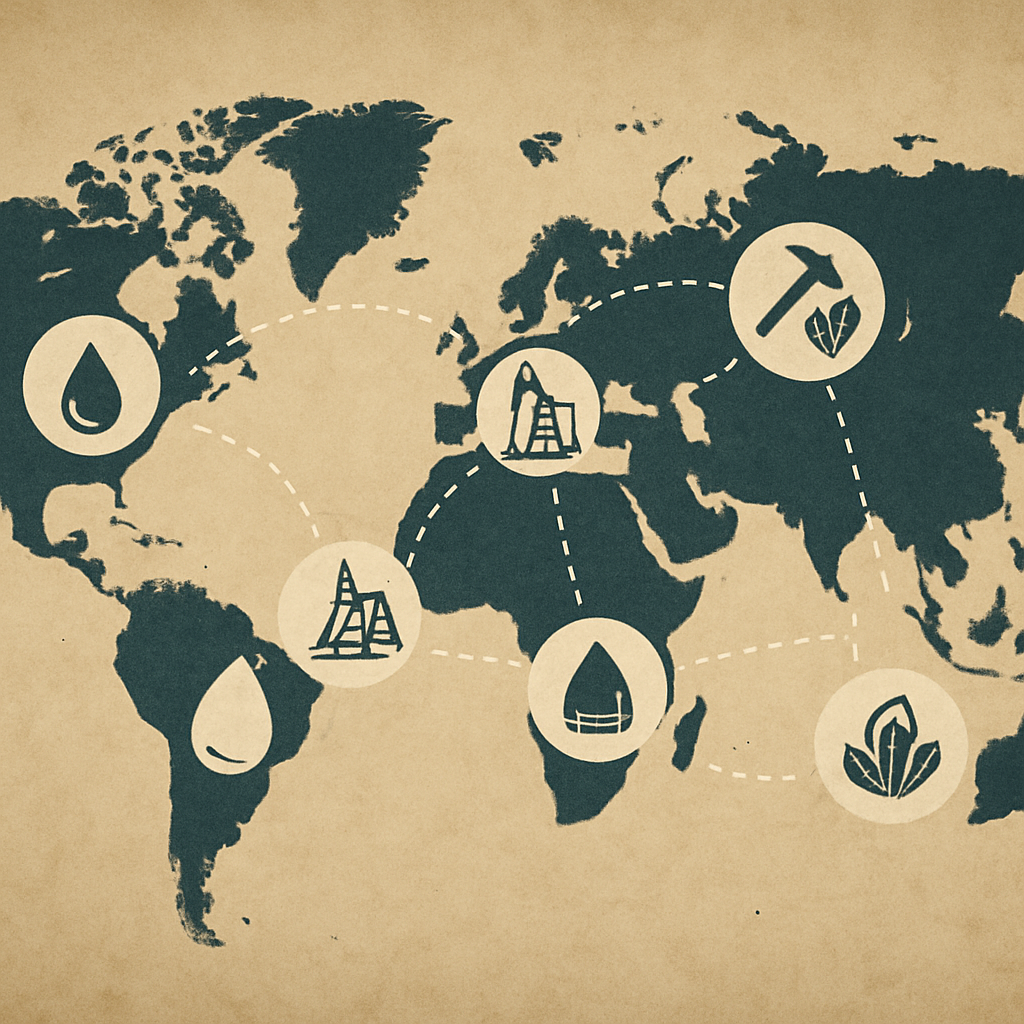
Natural resources underpin national prosperity and security, acting as fundamental pillars of a state’s power projection capabilities. A country rich in a particular resource can wield significant influence, while one dependent on imports may find its foreign policy constrained.
Resource Abundance vs. Resource Scarcity
- Resource Abundance: Countries blessed with vast natural resources often gain significant economic leverage. They can use these resources to fund state initiatives, build infrastructure, and project influence through trade. However, this can also lead to the “resource curse,” where reliance on a single commodity can hinder diversified economic development and foster corruption or authoritarianism.
- Resource Scarcity: Nations lacking critical resources are often compelled to develop complex foreign policies aimed at securing supply chains. This can lead to strategic alliances, trade agreements, or, in extreme cases, military interventions to ensure access. Japan, for example, heavily reliant on imported energy, has built its foreign policy around stable trade relations and global security.
Water: The Imminent Geopolitical Challenge
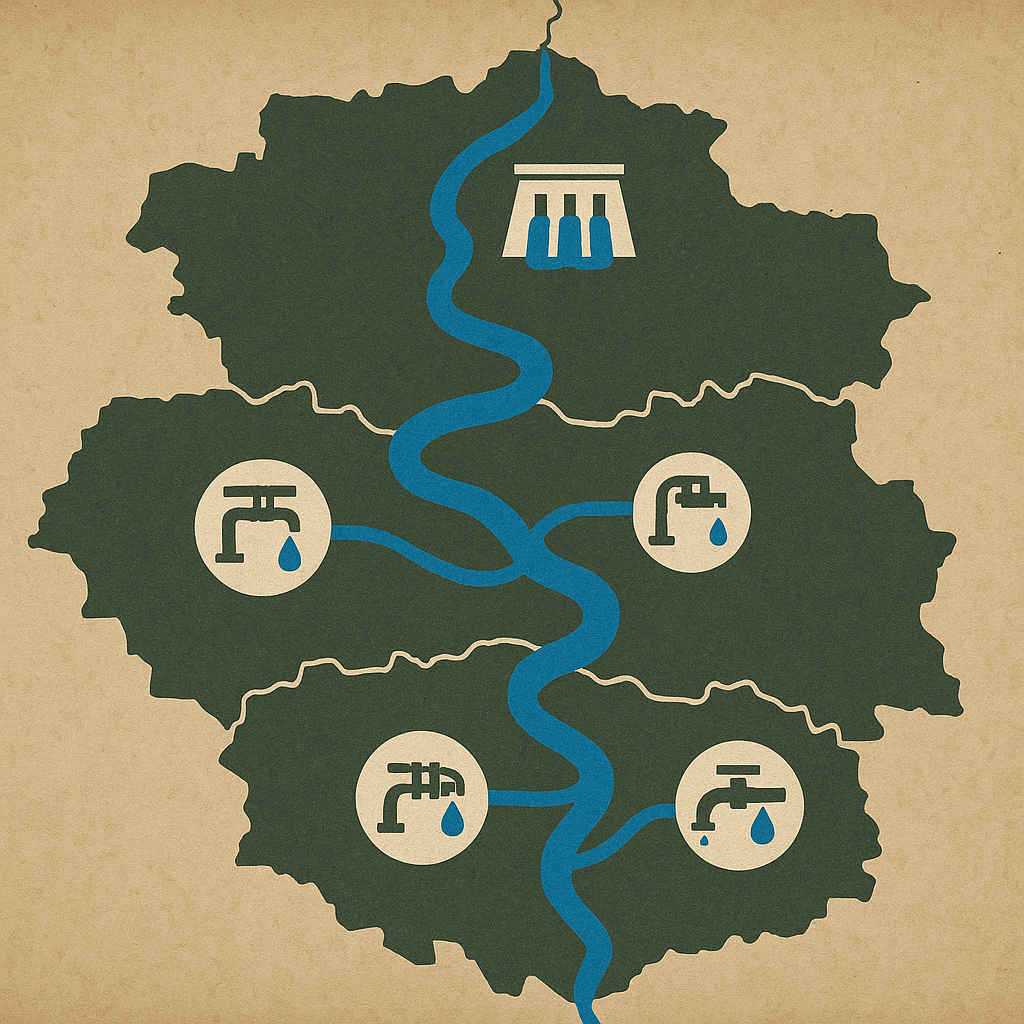
Often overlooked in favor of oil, freshwater is arguably the most critical and increasingly scarce natural resource. Its uneven distribution and the growing demands of a rising global population, coupled with climate change, are transforming water into a significant source of geopolitical tension, particularly in transboundary river basins.

Key Hotspots for Water Geopolitics:
- The Nile River Basin: Shared by 11 countries, including Egypt, Ethiopia, and Sudan, the Nile is a lifeline for millions. Ethiopia’s Grand Ethiopian Renaissance Dam (GERD) project has sparked intense diplomatic disputes with downstream nations like Egypt, which fears its vital water supply will be curtailed. The control and equitable sharing of Nile waters remain a central issue for regional stability.
- The Mekong River: Originating in China and flowing through several Southeast Asian nations (Myanmar, Laos, Thailand, Cambodia, Vietnam), the Mekong is crucial for food security and livelihoods. China’s upstream dam construction projects have raised concerns among downstream countries about water flow, fisheries, and ecological balance, leading to calls for greater transparency and multilateral cooperation.
- Central Asia: The region relies on shared rivers (Amu Darya and Syr Darya) for irrigation, particularly for cotton production. Upstream nations (Kyrgyzstan, Tajikistan) want to use water for hydropower, while downstream nations (Uzbekistan, Turkmenistan) need it for agriculture. This creates persistent tensions over water allocation.
Water diplomacy and conflict resolution mechanisms are becoming increasingly vital as water scarcity exacerbates existing political instabilities.
Energy: The Enduring Engine of Geopolitics (Oil, Gas, Renewables)
For over a century, energy resources, particularly fossil fuels, have been the undisputed heavyweights in shaping global geopolitics. Access to oil and natural gas has driven wars, defined alliances, and dictated foreign policy for major powers and energy-rich nations alike.
Fossil Fuels: The Traditional Power Players:
- Oil and Gas-Rich Regions: The Middle East remains the epicenter of global oil and gas geopolitics. Control over its vast reserves and strategic chokepoints (e.g., Strait of Hormuz) is paramount for global energy security. The region has seen continuous intervention and competition from major powers.
- Russia and European Energy Security: Russia’s vast natural gas reserves have given it significant leverage over European energy consumers, leading to debates about energy dependence and diversification. Recent geopolitical events have highlighted the vulnerability of Europe’s energy supply lines.
- U.S. Shale Revolution: The rise of U.S. shale oil and gas production has dramatically reshaped global energy markets, reducing U.S. reliance on Middle Eastern oil and altering its foreign policy priorities. It has also increased the global supply, influencing prices and geopolitical dynamics.
The Rise of Renewables and New Geopolitical Frontiers:
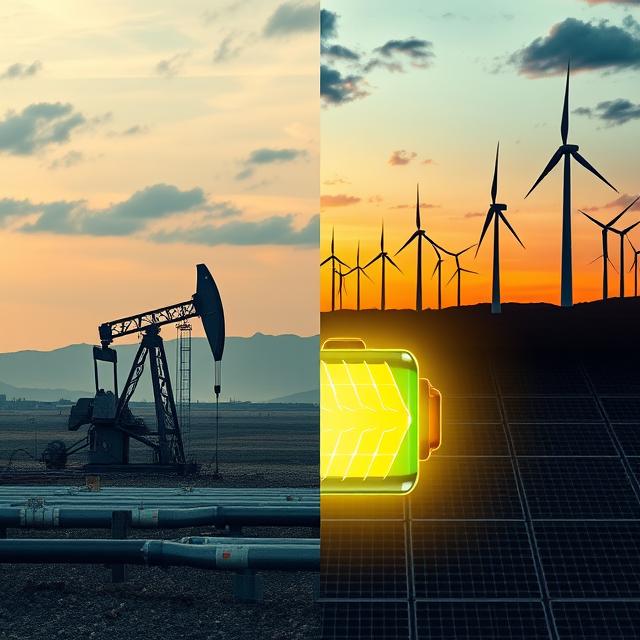
The global transition towards renewable energy (solar, wind, hydropower) is introducing a new set of geopolitical considerations.
- Critical Minerals for Green Tech: The shift to renewables increases demand for minerals like lithium, cobalt, nickel, and rare earth elements, crucial for batteries and wind turbines. The concentrated supply of these minerals (e.g., cobalt from the Democratic Republic of Congo, rare earths largely from China) creates new dependencies and potential chokepoints.
- Grid Interconnectivity and Cyber Threats: The increasing reliance on interconnected smart grids creates new vulnerabilities to cyberattacks, making energy infrastructure a strategic target.
- Geopolitics of Manufacturing: The supply chains for renewable energy technologies are often globally distributed, creating new trade dynamics and potential for competition or cooperation in manufacturing hubs.
Strategic Minerals: The Hidden Battlegrounds
Beyond energy, strategic minerals are becoming increasingly critical to modern economies and military capabilities. These are raw materials vital for high-tech industries, electronics, defense systems, and the burgeoning green energy sector.
Minerals of Geopolitical Significance:
- Rare Earth Elements (REEs): A group of 17 chemically similar metallic elements essential for everything from smartphones and electric vehicles to missile guidance systems and fighter jets. China currently dominates the global supply chain for REEs, giving it significant geopolitical leverage. This has prompted Western nations to seek diversification of supply.
- Lithium and Cobalt: Crucial for electric vehicle batteries and energy storage. The Democratic Republic of Congo is the largest producer of cobalt, while countries like Chile, Australia, and Argentina hold vast lithium reserves. Control over these supplies is central to the future of the automotive and energy industries.
- Copper and Other Base Metals: Essential for infrastructure, electronics, and manufacturing. Supply disruptions or price volatility can have widespread economic and strategic implications.
The competition for control over mineral resources can lead to complex diplomatic maneuvers, investment in resource-rich but unstable regions, and even proxy conflicts, as nations strive to secure their industrial and technological futures.
The Interplay of Resources and Geopolitics: Case Studies
The interconnectedness of these resources frequently creates overlapping geopolitical interests.
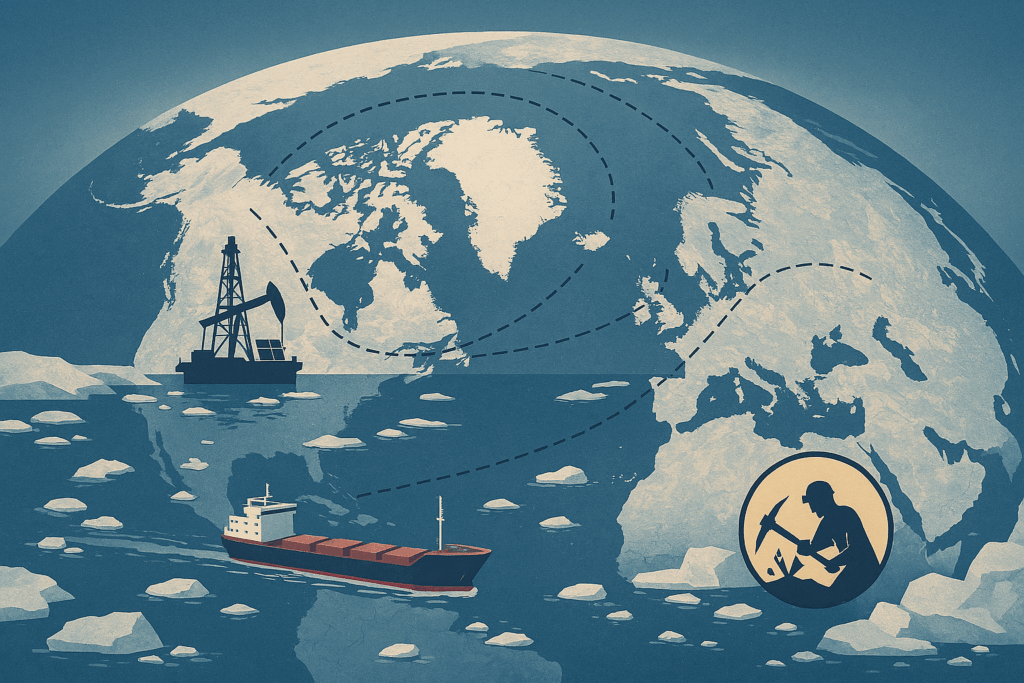
- The Arctic: As global warming melts Arctic ice, new shipping routes (e.g., Northern Sea Route) become viable, and previously inaccessible oil, gas, and mineral reserves become reachable. This has sparked a renewed geopolitical competition among Arctic littoral states (Russia, Canada, US, Denmark/Greenland, Norway) and non-Arctic powers for control and access.
- The South China Sea: This vital waterway is not only a major global shipping lane but also believed to hold significant oil and gas reserves. The competing territorial claims by China, Vietnam, the Philippines, Malaysia, Brunei, and Taiwan are driven by both strategic control over maritime access and potential resource exploitation.
- African Mineral Wealth: Many African nations are rich in critical minerals but often face challenges of governance, infrastructure, and security. External powers (e.g., China, Western nations) compete for access to these resources through investments, aid, and diplomatic engagement, which can sometimes exacerbate internal conflicts or political instability.
Conclusion: Resources as Enduring Geopolitical Drivers
The role of natural resources in shaping global geopolitics is undeniable and ever-evolving. From the existential necessity of water to the traditional power of fossil fuels and the emerging strategic importance of critical minerals, access and control over these assets remain central to national security, economic prosperity, and international influence.
The shifting landscape of energy sources, the increasing scarcity of freshwater, and the concentrated supply chains of vital minerals are creating new arenas for competition and cooperation. Understanding these resource-driven dynamics provides crucial insights into international alliances, trade disputes, regional conflicts, and the grand strategies of states. As the world navigates the complexities of climate change and technological advancement, the geopolitics of natural resources will continue to be a primary determinant of global power and stability.