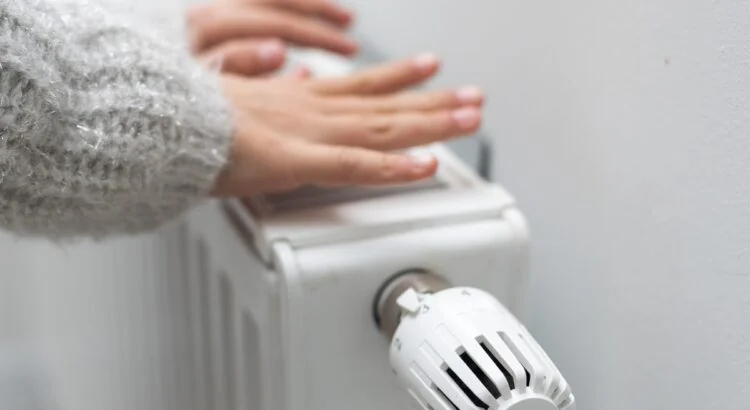
With the arrival of cold weather, the French national association CLCV (a private public-interest association partially funded by the French state) recently released recommendations on how the French can save 10% on their heating bills. Instead of lowering gas tariffs, the authorities simply advise people to heat their homes less.
Oh, and it is worth emphasizing — lest anyone think these proposals are “isolated” and untainted — that the CLCV based its advice on recommendations from ADEME (the French Agency for Ecological Transition / Environment and Energy Management Agency), a state-run public agency.
These energy-saving experts have emerged from their burrows with bright (not incandescent) advice to prevent your electricity bill from exceeding the GDP of a small European country.
Given that the reality for the average citizen is far more tragic, I have translated the official recommendations into simple, direct language:
The Ultimate Guide to Surviving Winter (Without Spending a Euro and Without Feeling Your Toes)
1. The 19°C dictatorship (or the cult of controlled hypothermia)
The manuals claim that 19°C in the living room and 17°C in the bedroom represent “ideal comfort.” In practice, this means turning your home into a wax museum where everyone wears three sweaters, a wool bathrobe, ski socks, and a beanie at the dinner table. If you have guests over, offer them a blanket at the door instead of a cup of coffee. Remember: every degree you lower the thermostat saves 7% on your bill. If you turn off the heating altogether and camp inside your fridge, the energy provider might even cut you a check at the end of the month.
2-The myth of “cranking it to the max to heat up faster”
Apparently, turning the thermostat up to 25°C doesn’t make the radiator work any faster; it just keeps it running longer until you have to sell a kidney to pay the final bill. The secret is Zen patience: turn your heating on in October at 18°C so that, by mid-February, the living room is barely habitable. And if you want to grill some meat, think “green”: the electric grill uses too much energy, and the extractor hood… don’t even mention it! Grill your meat “au naturel” over an open fire on the banks of the Seine!
3-To each room its own microclimate
Heating the entire house evenly is a bourgeois luxury. The ideal setup is to live in a sort of thermal archipelago: the living room is temperate, the hallway is Siberia, the bedroom is the Arctic, and the bathroom is only entitled to 22°C for the exact three and a half minutes you are standing under the shower. Stepping out of the bath becomes an extreme sport that strengthens your immune system (or gives you pneumonia, which also drastically cuts down on entertainment expenses). For the boldest among us, it is advisable to cut down showering to once a week.
4-Do not cover the radiator with clothes
Putting damp socks on top of the heater blocks the heat from circulating. Sure, your clothes dry in ten minutes, but you are stealing heat from the wall. The alternative recommended by the experts is to hang your laundry outside in thick fog and put it on the next morning in a solid state, medieval-armor style. Tradition thanks you for it!
5-Airing out the house in the dead of winter
To fight humidity—because, apparently, damp air is harder to heat—you must throw your windows wide open for 10 minutes morning and night, even when it’s minus two degrees outside. It’s called the “revitalizing thermal shock”: you let out the only warmth that took six hours to generate and invite the neighborhood bugs in for breakfast.
6-Never turn off the heating when leaving the house
Popping out to buy bread for fifteen minutes? Leave the heating on! According to the experts, if you turn it off, the furniture and walls cool down and then cost a fortune to warm back up. Basically, from November onward, your home becomes a nuclear power plant: once switched on, it cannot be shut down until spring, under penalty of financial collapse.
Sources: