
In the 21st century, the nature of geopolitical power is undergoing a profound transformation. While the traditional instruments of military might and economic coercion remain relevant, they are increasingly complemented, and sometimes eclipsed, by a new toolkit of influence. Cultural diplomacy, the entertainment industry, and social media have emerged as essential geopolitical tools, allowing nations to project power and shape global narratives without firing a shot or imposing a single sanction. These instruments of what is known as soft power operate by attraction rather than force, subtly influencing the hearts and minds of populations around the world and redefining the rules of international relations. This article will explore the evolving role of these tools, examining how they have been leveraged by states and non-state actors alike to achieve strategic goals, and analyzing the significant opportunities and risks they present in a new era of global competition.
The shift from hard power to this new form of soft power is not merely a change in tactics; it represents a fundamental re-imagining of what it means to be a powerful nation in a globalized, digitally-connected world.

The Evolution of Cultural Diplomacy
For decades, cultural diplomacy was a relatively formal and state-led affair. It involved government-sponsored initiatives like student exchange programs, traveling art exhibits, and academic fellowships. The goal was to build goodwill and foster a positive image of a nation’s values and way of life. This was a slow, deliberate process, often working through official channels and traditional media outlets.
From State-Led to Digital-First
The internet and social media have fundamentally transformed this process. Today, cultural diplomacy is a much more direct, dynamic, and decentralized endeavor. Foreign ministries and embassies now use platforms like Twitter, Facebook, and Instagram to bypass traditional media gatekeepers and communicate directly with foreign publics. They share cultural content, engage in real-time dialogue, and respond to global events in an instant. This allows for a more authentic and humanized projection of a nation’s values, but also exposes it to direct public scrutiny and criticism.
This digital shift has moved cultural diplomacy from a supporting role to a front-and-center tool of foreign policy, capable of shaping public opinion on a global scale.
The Entertainment Industry as a Geopolitical Instrument
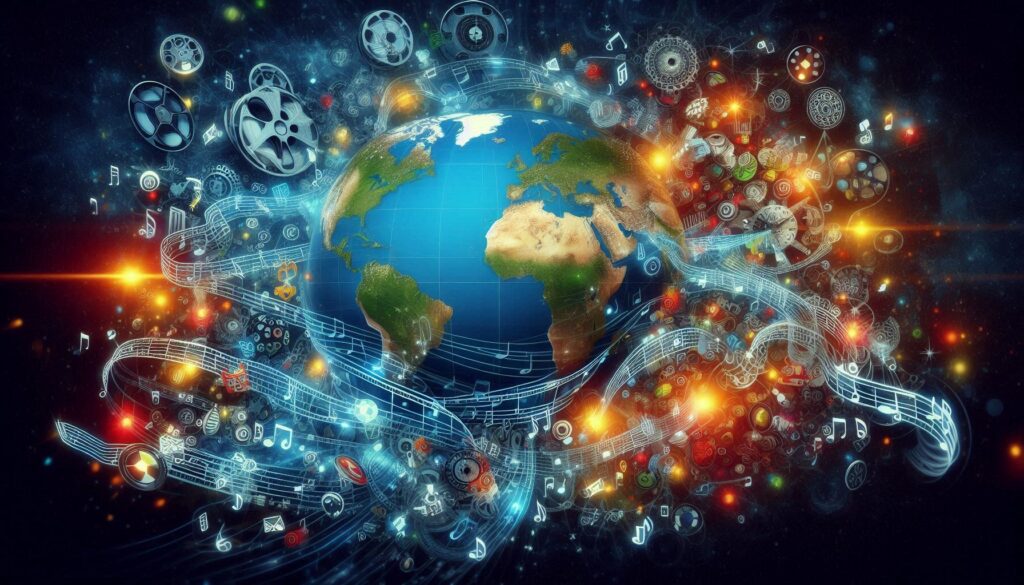
The entertainment industry, from film and television to music and video games, has long been a powerful vehicle for projecting a nation’s culture and values. However, its modern use has become more strategic and its global reach more pervasive than ever before.
Shaping Global Narratives
Hollywood has for decades been a prime example of this. Through its films, it has exported American values, ideas of justice, and a certain lifestyle to every corner of the globe. This has created a global affinity for American culture that has served a powerful geopolitical purpose. However, in recent years, other nations have strategically leveraged their own entertainment industries to achieve similar, and in some cases, even more impressive results.
- The Korean Wave (Hallyu): The global phenomenon of K-pop and K-dramas (known as Hallyu) is arguably the most successful case study of entertainment as a geopolitical tool. The South Korean government made a conscious decision to invest in its cultural and creative industries, and the returns have been staggering. The viral success of bands like BTS and shows like “Squid Game” has not only boosted South Korea’s economy but has also created a global fascination with its culture, language, and people. This has translated into increased tourism, a greater demand for South Korean products, and a significant boost to its diplomatic standing.
- The New Chinese Entertainment Market: The Chinese government is also using its entertainment industry to project a more nationalistic image, promoting content that aligns with state-approved narratives and values. While less organic than Hallyu, this strategy is an overt example of a state using its cultural products for a clear political purpose.
The Subversive Power of Culture
Beyond official state narratives, the entertainment industry can also have a subversive power. Cultural products can carry messages that challenge authoritarian regimes and traditional norms from the outside. A global audience watching a film about a free society or a song about human rights can ignite a desire for change. This makes the entertainment industry not just a tool for states, but also a potential threat to governments that seek to control information and ideas.
Social Media: The New Frontier of Geopolitical Influence
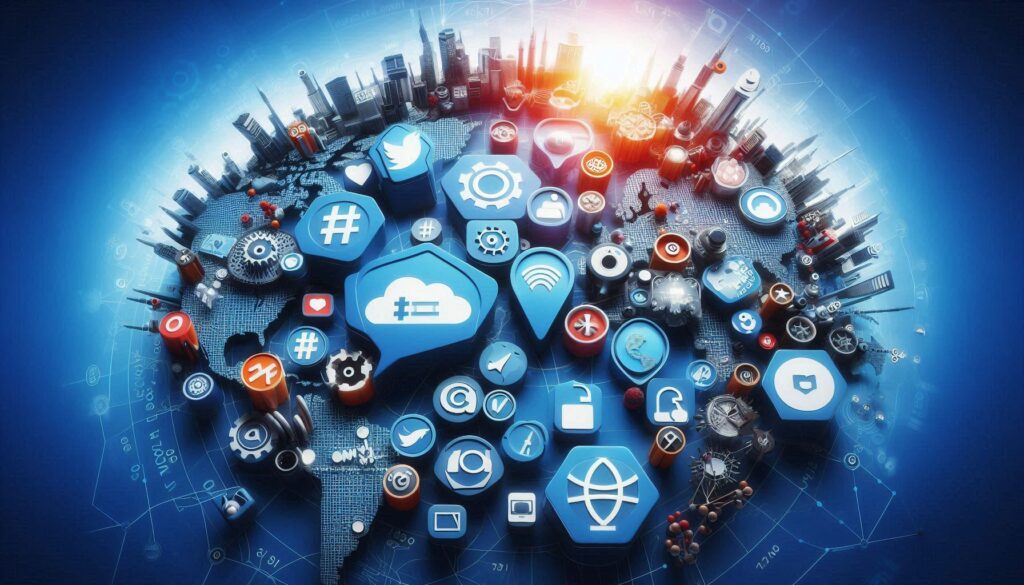
The rise of social media has taken cultural and political influence to a new, more direct, and volatile level. Platforms like Twitter, Facebook, and TikTok have become the new frontier of geopolitical competition.
The Battle for Public Opinion
Social media allows states to bypass traditional media and speak directly to foreign publics. This has led to a global battle for public opinion where the goal is to control the narrative and win the hearts and minds of a global audience.
- Digital Public Diplomacy: Governments use social media to share official statements, cultural content, and humanitarian work, engaging in a form of real-time public diplomacy that is both fast and direct.
- Disinformation and Propaganda: The same platforms are also used for less noble purposes. States and their proxies use social media to spread disinformation, stoke social divisions, and undermine rivals. The goal is to weaken an adversary from within by sowing distrust in their institutions and creating political chaos.
Empowering Non-State Actors
Perhaps the most significant aspect of social media’s geopolitical role is its ability to empower non-state actors. An individual activist, a protest movement, or an NGO can use a viral hashtag or a short video to challenge a state’s narrative and mobilize global support for their cause. This democratizes influence, allowing a single citizen to contest the power of a government and giving a voice to those who have historically been marginalized.
The Costs and Risks of the New Toolkit
While cultural diplomacy, entertainment, and social media offer powerful new avenues for influence, they are not without significant costs and risks. This new toolkit is a double-edged sword.
The Unpredictability of Influence
Unlike military force, which is direct and predictable, soft power is highly unpredictable. A nation’s cultural export might be wildly popular, but its political message could be misinterpreted or co-opted by a rival. An attempt at positive public diplomacy could backfire, leading to a massive backlash on social media and a public relations disaster. A nation loses a degree of control over its own image when it relies on a decentralized, user-driven system for influence.
Cultural Imperialism
The dominance of a few powerful nations in the global entertainment market could lead to a new form of cultural imperialism, where smaller cultures are marginalized and overwhelmed. This could lead to a loss of cultural diversity and a homogenization of global values that erodes a nation’s unique identity.
The Rise of Disinformation
The same platforms that allow for direct communication can be used to spread malicious propaganda and fake news, aimed at destabilizing rival governments and sowing discord. This makes a nation’s informational space vulnerable to foreign attack, and it is a challenge that governments are still struggling to regulate and counter.
Conclusion: A New Era of Influence
The role of cultural diplomacy, the entertainment industry, and social media in geopolitics is no longer a fringe theory; it is a central pillar of modern statecraft. The competition for influence has moved beyond the battlefield and into the digital realm, where the ultimate measure of a nation’s strength may well be its ability to inspire.
The nations that will succeed in this new era are those that can effectively and strategically leverage the power of their culture, their creative industries, and their digital platforms to project a compelling vision of themselves to the world. However, they must do so with a clear understanding of the risks involved. The future of geopolitics will be fought not just with missiles and tariffs, but with memes, movies, and viral videos, and the ultimate victory may go to the nation that can win the hearts and minds of a connected global audience.