The pervasive and accelerating effects of climate change are no longer abstract environmental concerns; they are powerful geopolitical forces actively reshaping the global landscape. As temperatures rise, ice melts, sea levels surge, and extreme weather events become more frequent, the very foundations of territorial sovereignty—the established control of a state over its defined land, water, and airspace—are being fundamentally challenged and redefined. Climate change is not just exacerbating existing tensions; it is creating entirely new arenas for territutes disputes and complex questions of national integrity.
This profound environmental shift is forcing nations to confront unprecedented scenarios: disappearing coastlines, newly accessible polar regions, dwindling vital resources, and mass human displacement. These shifts demand a critical re-evaluation of international law, diplomatic norms, and the core concept of what it means to be a sovereign state in a rapidly warming world.

Traditional Territorial Sovereignty: A Foundation Under Stress
Traditionally, territorial sovereignty is a cornerstone of international law and the Westphalian system of states. It grants a state exclusive jurisdiction over its defined geographical area, including its landmass, internal waters, territorial sea, and airspace. Fixed and recognizable borders are essential for maintaining internal order, conducting foreign policy, and exercising economic control.
However, climate change introduces dynamism and unpredictability into this seemingly fixed framework. By altering physical geography itself, it directly undermines the stability upon which traditional territorial sovereignty rests, forcing nations to grapple with fluidity rather than certainty.
Climate Change as a Geopolitical Accelerator
Climate change acts as a “threat multiplier,” intensifying existing political, social, and economic fragilities. It doesn’t directly cause conflicts, but it can exacerbate underlying tensions, making disputes over dwindling resources or habitable land more likely.

Key Ways Climate Change Redefines Territorial Disputes & Sovereignty:
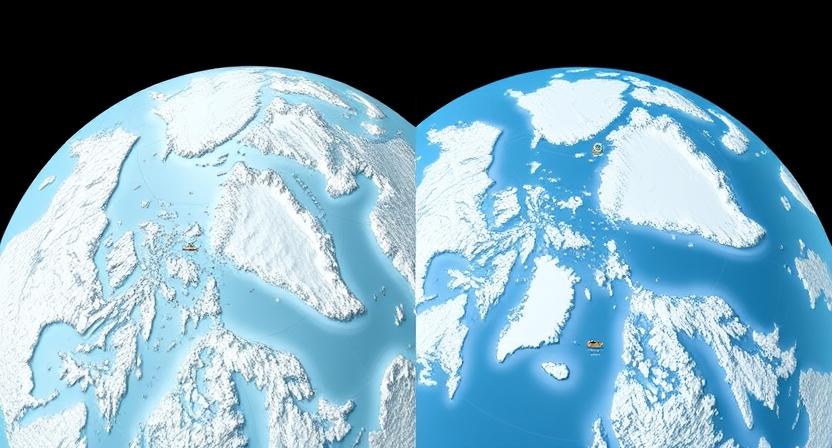
1. Melting Ice and Arctic Claims: A New Frontier
The most prominent example of climate change directly impacting territorial claims is the melting of the Arctic ice cap. As the ice recedes, new opportunities and challenges emerge:
- New Shipping Routes: The opening of the Northwest Passage and the Northern Sea Route offers shorter, faster shipping lanes between Asia and Europe. Control over these routes translates into economic and strategic advantages, leading to competition among Arctic nations (Canada, Russia, Denmark/Greenland, Norway, United States) for jurisdiction and navigation rights.
- Resource Access: Vast untapped oil, natural gas, and mineral reserves are becoming accessible under the thawing ice. Nations are aggressively staking claims to these resources, often based on extensions of their continental shelves, creating overlapping and contentious zones.
- Military Presence: Increased accessibility is leading to a growing military presence from Arctic and non-Arctic states, raising concerns about militarization and potential conflict in a previously inaccessible and less regulated region.
2. Rising Sea Levels and Coastal Erosion: The Disappearing Land
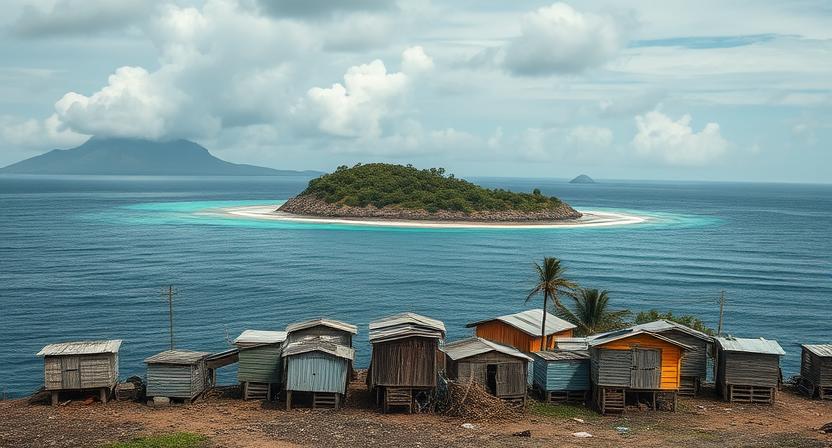
For low-lying coastal areas and island nations, rising sea levels pose an existential threat, directly eroding territorial sovereignty.
- Loss of Landmass: Coastal erosion and permanent inundation threaten to submerge significant portions of land, reducing a state’s physical territory. This is particularly critical for small island developing states (SIDS) in the Pacific and Indian Oceans.
- Displaced Populations: As land becomes uninhabitable, populations are forced to relocate, creating internal and cross-border climate migrants or “environmental refugees,” challenging national capacity and international legal frameworks.
- Shrinking Maritime Zones: International law dictates maritime zones (e.g., Exclusive Economic Zones, continental shelves) based on a nation’s landmass. If a state’s baseline shifts due to submersion, its vast maritime resource claims could shrink or even disappear, impacting economic sovereignty over fisheries and mineral rights.
- “Sinking States” Dilemma: The potential disappearance of entire island nations raises unprecedented questions about the continuation of their statehood, their citizenship, and their sovereign rights in international law.
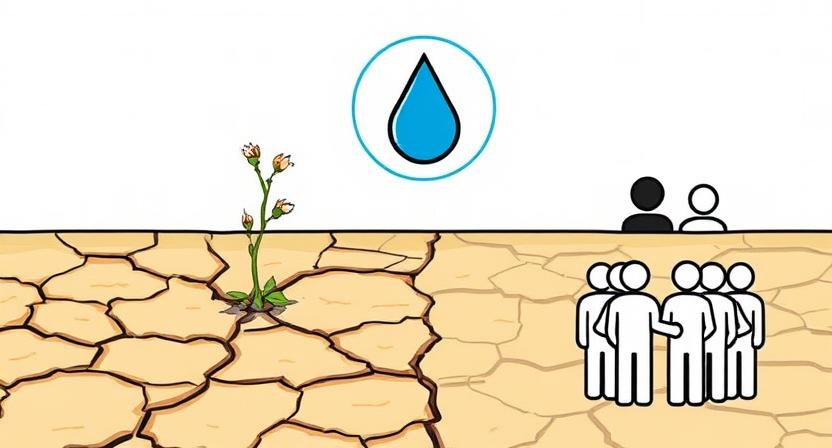
3. Resource Scarcity (Water, Arable Land): Catalysts for Conflict
Climate change intensifies scarcity of vital resources, fueling existing and creating new disputes:
- Water Wars: Changing precipitation patterns, melting glaciers, and increased droughts exacerbate water stress, especially in transboundary river basins (e.g., Nile, Mekong, Indus). Upstream nations may divert more water, impacting downstream access and leading to heightened tensions or even localized conflicts.
- Food Insecurity and Land Disputes: Decreased arable land due to desertification or salinization pushes populations into competition over shrinking fertile areas, leading to internal conflicts or cross-border pressures. The conflict in Darfur, for instance, has often been linked to climate-induced resource scarcity exacerbating ethnic tensions.
4. Climate Migration: Sovereignty Under Strain
Mass displacement due to climate impacts creates a complex interplay with state sovereignty:
- Strain on Receiving Nations: Countries absorbing climate migrants face immense challenges related to providing basic services, integrating new populations, and managing potential social tensions. This can strain economic resources and internal stability.
- Lack of Legal Status: International law currently lacks a clear definition or protection framework for “climate refugees,” leaving many displaced individuals in a legal limbo and challenging states to manage flows outside existing protocols.
- Border Control Dilemmas: States are torn between humanitarian obligations and the sovereign right to control their borders when faced with large numbers of people displaced by environmental catastrophes.
5. New “Contested” Zones: Shifting Habitability
While some areas become uninhabitable, others may become newly viable or valuable due to climate shifts:
- New Agricultural Frontiers: Formerly frozen or arid regions might become suitable for agriculture, creating new potential for land disputes or competing claims.
- Accessibility to Remote Areas: Previously isolated regions might become more accessible, drawing increased attention for economic exploitation or strategic positioning.
Challenges to Legal and Diplomatic Frameworks
The dynamic nature of climate change poses immense challenges to static international legal frameworks.
- Undefined Baselines: How does international maritime law apply when a nation’s coastline is constantly shifting or submerging?
- Statehood of Disappearing Nations: If a country loses all its landmass, does it cease to exist as a sovereign entity? Can its maritime claims endure?
- Responsibility and Compensation: Who bears the responsibility for climate-induced damage and displacement, particularly when historical emissions differ from current vulnerability? This fuels calls for “loss and damage” funds.
- Enforceability of Agreements: International climate agreements face challenges in ensuring compliance and accountability, especially when sovereign interests clash with global environmental imperatives.
Strategies and Responses: Adapting to a New Reality
Nations and the international community are beginning to adapt to this evolving reality:
- Increased Diplomacy and Multilateralism: Forums like the Arctic Council are becoming crucial for managing competing interests and fostering cooperation in newly accessible regions. Bilateral agreements on transboundary water management are also vital.
- Adaptation and Mitigation Efforts: Investing in coastal defenses, resilient infrastructure, and early warning systems can help preserve territory and reduce displacement. Aggressive emissions reductions are fundamental to slowing the pace of climate change itself.
- Redefining Legal Frameworks: Discussions are underway to develop new legal concepts or expand existing ones to address the status of climate migrants and the implications for disappearing states.
- Security Integration: Military and security establishments are increasingly incorporating climate change into their strategic planning, recognizing it as a direct threat to stability and national security.
Conclusion: A Fundamental Reshaping of Sovereignty
Climate change is no longer just an environmental crisis; it is a profound geopolitical force that is fundamentally redefining territorial disputes and sovereignty. From the melting ice of the Arctic opening new avenues of competition to the rising seas threatening to erase entire island nations, the physical impacts of a warming planet are directly challenging the established order of states.
This necessitates a paradigm shift in how nations conceive of and defend their sovereignty. It moves beyond fixed borders to encompass the fluidity of natural systems and the interconnectedness of global environmental challenges. The future of international relations will be increasingly shaped by how states adapt to these climate-induced shifts, whether through conflict over dwindling resources, cooperation in new frontiers, or the radical re-imagination of what it means to be a sovereign entity in a world transformed by a changing climate.