In the traditional geopolitical framework, the power of a nation was often measured in tangible terms: the size of its army, the strength of its economy, and the reach of its diplomatic corps. This was hard power—the ability to coerce or bribe. However, the 21st century has seen the rise of a new and arguably more potent force: soft power. Coined by theorist Joseph Nye, soft power is the ability to influence other nations through cultural appeal, political values, and foreign policy. This form of power works by attraction rather than coercion. Today, thanks to a globalized, digitally connected world, soft power has evolved into a new, more powerful form: Soft Power 2.0. This new era of cultural and digital influence is not just an add-on to traditional diplomacy; it is fundamentally redefining the concept of sovereignty without the need for military force or economic sanctions.
This article will explore how cultural products and digital platforms have become the new instruments of influence, bypassing traditional gatekeepers and directly reaching a global audience. We will analyze how this shift challenges the state’s monopoly on national narrative and forces a fundamental reassessment of what it means to be a sovereign nation in a world without borders.
From Hard Power to Soft Power: A Brief History
For most of the 20th century, international relations were dominated by the logic of hard power. Nations built alliances and engaged in deterrence based on military might and economic strength. The Cold War, with its nuclear standoff and proxy conflicts, was the ultimate expression of this paradigm.
The concept of soft power emerged as a counter-narrative to this coercive model. It argued that a nation’s cultural appeal—its movies, music, and values—could make it more attractive to others, making them want what it wants. For decades, the United States was the prime example of this, with Hollywood films, rock music, and the allure of the “American Dream” acting as powerful tools of influence that helped win hearts and minds around the world.
However, this traditional form of soft power was often a one-way street, disseminated from a powerful center to a passive global audience through traditional media. The advent of the digital revolution has changed everything.
The Rise of Soft Power 2.0: A Digital Revolution
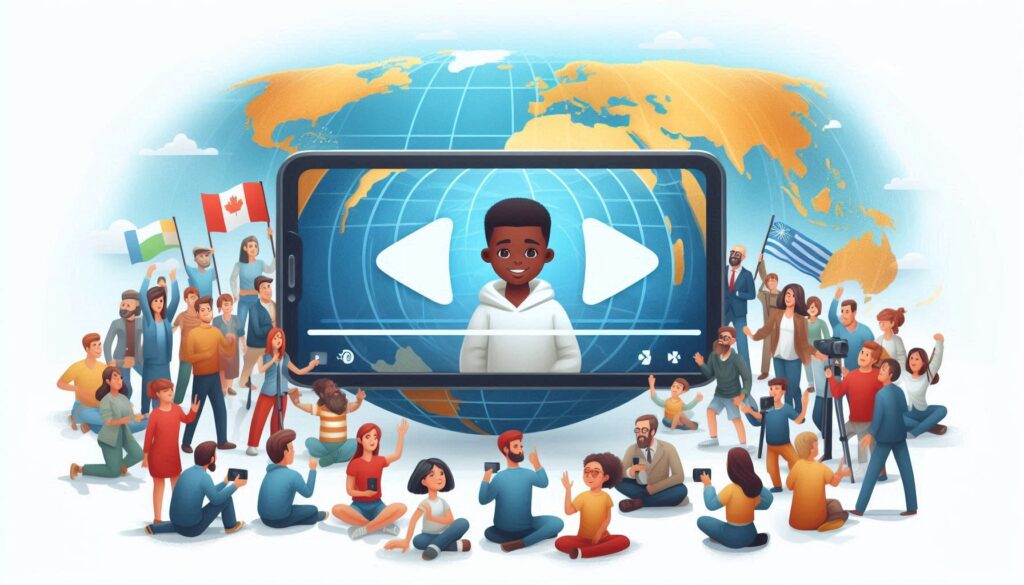
The internet and social media have democratized the flow of information and cultural products, giving rise to Soft Power 2.0. This new form of influence is faster, more diffuse, and less controllable than its predecessor. It is characterized by:
- Instantaneous Global Reach: A single song, a TV show, or a viral video can reach billions of people in an instant, without passing through the traditional filters of government-controlled media or foreign film distribution companies.
- Decentralized Influence: The power to create and spread cultural influence is no longer limited to Hollywood or major state broadcasters. An artist, an online creator, or a citizen can create a piece of content that shapes global perceptions of their nation.
- Interactive and User-Generated: Soft Power 2.0 is not a passive experience. It is built on fan communities, online forums, and social media discussions. Audiences are not just consumers; they are active participants who remix, share, and expand a cultural narrative.
This shift has created an environment where a nation’s official diplomatic messages can be easily overshadowed by a popular cultural trend or a viral hashtag.
The Instruments of Soft Power 2.0
Soft Power 2.0 is wielded through a new set of digital instruments that redefine how nations and non-state actors compete for influence.
The Viral Spread of Culture
The most visible and successful examples of Soft Power 2.0 are cultural phenomena that have achieved global reach.
- The Korean Wave (Hallyu): The global success of K-pop, K-dramas, and South Korean cinema (e.g., “Parasite,” “Squid Game”) is a prime example. This cultural output has created a global affinity for South Korea that has boosted its tourism, exports, and diplomatic standing far beyond what traditional state-led public diplomacy could ever achieve. The power lies in the organic, grassroots nature of its fandom.
- The Rise of Nollywood and Bollywood: The Nigerian and Indian film industries, respectively, have also become powerful engines of soft power, exporting their unique cultural narratives and traditions to a global audience, particularly in the African and South Asian diasporas. This allows these nations to project a dynamic and modern image of themselves to the world.
Digital Public Diplomacy and Information Warfare
States have also recognized the power of digital platforms to bypass traditional diplomatic channels and speak directly to foreign publics.
- Social Media as a Diplomatic Tool: Government ministries and embassies now use platforms like Twitter and Instagram to communicate their foreign policy goals, share cultural information, and engage in real-time dialogue. This is a form of public diplomacy that is both faster and more direct.
- The Dual-Use Dilemma: This digital infrastructure also has a darker side. It can be used for information warfare and disinformation campaigns, where nations seek to destabilize rivals by spreading false narratives, stoking social tensions, and undermining trust in democratic institutions. The very tools that build cultural bridges can also be used to tear them down.
The Influence of Non-State Actors
Crucially, Soft Power 2.0 is not exclusively a state-driven phenomenon. Corporations, celebrities, and individual influencers wield immense power.
- Hollywood and Corporate Influence: American studios and tech giants continue to be global forces. The values embedded in a Disney movie or the social impact of a Silicon Valley tech company can shape global norms and aspirations.
- Global Civil Society: Activist networks, NGOs, and online movements can leverage digital tools to organize protests, lobby for change, and hold states accountable. Their ability to mobilize public opinion across borders can directly challenge a government’s authority and policy.
Redefining Sovereignty in a World Without Borders
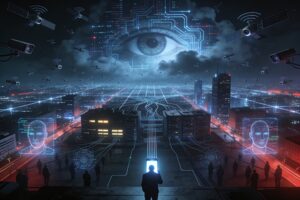
The rise of Soft Power 2.0 has created a new kind of geopolitical battlefield where the rules of the game are being rewritten. The very concept of sovereignty is being redefined.
- The Battle for Narrative: A nation’s ability to control its own narrative is no longer guaranteed. A viral video of a police officer’s misconduct, an online protest against a government policy, or a celebrity’s critique can instantly become a global story that undermines a state’s carefully constructed image. Sovereignty is no longer just about controlling your borders; it’s about winning the daily battle for public perception.
- Ideological and Cultural Permeation: Soft Power 2.0 allows foreign cultural products and values to permeate a nation’s social fabric without any physical entry. K-pop’s global spread, for example, is not just about music; it’s about the subtle export of South Korean norms and values to a global audience. This challenges a nation’s cultural and ideological autonomy from within.
- The “Digital Citizen”: As individuals become more connected to global online communities, they may feel a stronger sense of identity with their digital peers than with their own national cultural norms. This can lead to a challenge to national identity and social cohesion, as citizens are exposed to a diversity of views and ideas that may conflict with their government’s official ideology.
The Costs and Risks of Unchecked Soft Power 2.0
While often viewed as a positive force for connection and understanding, Soft Power 2.0 has a darker side that presents significant risks.
- Cultural Imperialism: The dominance of a few cultural behemoths—like Hollywood or the Korean entertainment industry—could lead to a new form of cultural imperialism, where smaller, local cultures are marginalized or overwhelmed.
- Disinformation and Propaganda: The same platforms that allow for direct communication can be used to spread malicious propaganda and fake news, aimed at destabilizing rival governments and sowing discord. This makes a nation’s informational space vulnerable to foreign attack.
- Regulatory Challenges: Governments are struggling to regulate these digital platforms and influencers, which operate outside of traditional legal frameworks. This creates a legal vacuum where misinformation and malicious actors can thrive, challenging a nation’s ability to protect its citizens and its democratic processes.
Conclusion: The Unavoidable Force
The rise of Soft Power 2.0 is an irreversible force that all nations must learn to navigate. It is a new form of global competition that operates in the borderless realms of culture, information, and digital influence. The power of a nation is no longer solely determined by its military or economic strength, but by its ability to project a compelling cultural vision and win the hearts and minds of a global audience.
Sovereignty in the 21st century is therefore a more complex and dynamic concept. It is no longer just about controlling territory or population; it is about competing for influence and narrative in the digital sphere. The future will belong to nations that can effectively leverage the power of their culture and digital platforms, not through coercion, but through attraction. In this new era, the ultimate measure of a nation’s strength may well be its ability to inspire.