In the vast expanse of the Pacific Ocean, two small island nations, Kiribati and Tuvalu, stand as stark symbols of a global crisis. For them, climate change is not a future projection but an unfolding tragedy that threatens to erase their very existence. With an average elevation of less than two meters above sea level, these nations are on the frontlines of a battle against the rising tide. Their potential physical disappearance is forcing the international community to confront an unprecedented and profound challenge: what happens when a sovereign state loses its territory? This case study delves into the legal, geopolitical, and humanitarian implications of this existential dilemma, revealing a fundamental flaw in an international system built on the sanctity of land.
The plight of Kiribati and Tuvalu is a grim foreshadowing of the fate that awaits other low-lying coastal regions worldwide. Their story is a powerful reminder that while some nations debate the economic costs of climate action, others are facing a question of survival—a question that demands we re-evaluate the very meaning of sovereignty in a world where geography is no longer a permanent guarantee.

The Physical and Economic Reality
The effects of climate change are not hypothetical in Kiribati and Tuvalu. They are a daily reality that is systematically dismantling the physical and economic foundations of these states.
- Coastal Erosion: Relentless wave action and storm surges, exacerbated by rising sea levels, are visibly eroding the land. In Tuvalu, for instance, a significant portion of its land has already been lost to the sea, threatening homes, infrastructure, and even ancestral burial grounds.
- Saltwater Contamination: Saltwater intrusion is poisoning the soil and freshwater aquifers, rendering agricultural land unusable. This has led to a collapse in local food production, forcing these nations to rely heavily on expensive imported food, which also increases their vulnerability to global supply chain disruptions.
- Destruction of Livelihoods: The economies of both nations are highly dependent on fishing and a nascent tourism sector. Ocean acidification and rising sea temperatures are destroying coral reefs and disrupting fish stocks, jeopardizing the primary sources of income and sustenance for their people.
This physical and economic erosion is not an isolated event; it is a slow-motion disaster that is steadily pushing these nations toward a point of no return.
The Legal Vacuum: The Sovereignty Dilemma
The most significant and complex challenge posed by the potential disappearance of Kiribati and Tuvalu is the unprecedented legal vacuum it creates. The current international legal framework, founded on the Westphalian principle of the sovereign state, is simply not equipped to handle a stateless nation.
- The Problem of Statehood: Under the Montevideo Convention on the Rights and Duties of States (1933), statehood requires a defined territory, a permanent population, a government, and the capacity to enter into relations with other states. If Kiribati or Tuvalu lose their physical territory, they would fail to meet a core criterion of statehood. This raises a host of difficult questions: Do they cease to be states? Does their membership in the United Nations and other international bodies become invalid? The international legal community has no clear precedent or consensus on this.
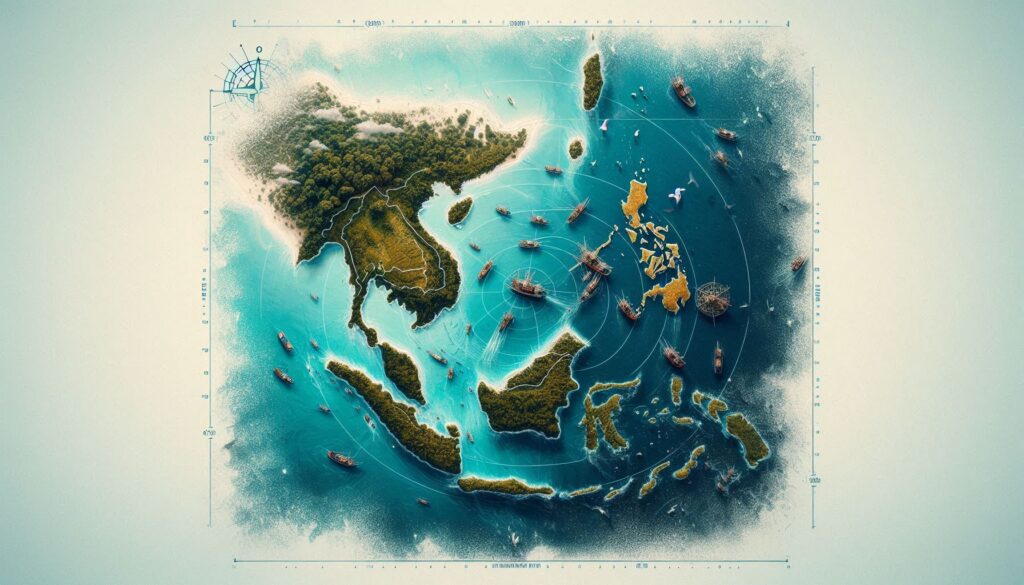
- The Loss of Maritime Sovereignty: A nation’s most valuable economic resource is often its Exclusive Economic Zone (EEZ), which extends 200 nautical miles from its coast. For Kiribati, its EEZ is vast, encompassing a critical area for fisheries and potential deep-sea minerals. Its maritime borders are based on its landmass. If that land mass disappears, so too would its maritime baselines, legally stripping the nation of its rights over its ocean resources. This would not only devastate its economy but also set a dangerous precedent for other coastal nations facing the same threat.
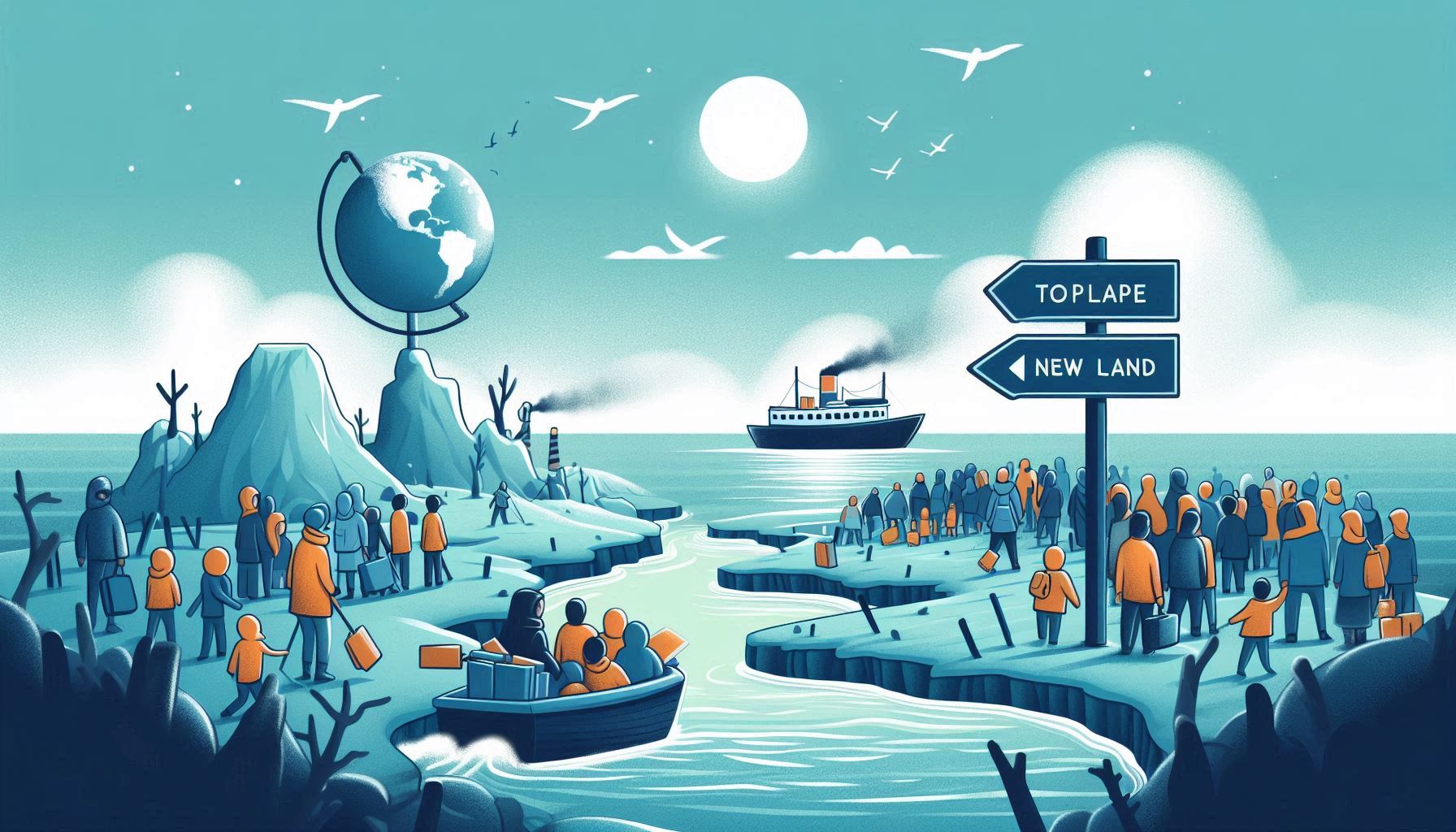
- The Status of the Population: The potential disappearance of these nations also creates a humanitarian and legal crisis for their people. Without a state, they could become stateless, a status that would strip them of their rights to nationality, legal protection, and a recognized identity. They would be climate refugees in a world with no formal legal framework to protect them.

Geopolitical Implications: A Test of Global Responsibility
The fate of Kiribati and Tuvalu is not just a regional issue; it has profound geopolitical implications for the entire international community.
- A Test of International Law: The global response (or lack thereof) will set a powerful precedent for how the world handles future climate-induced threats. The international community is being forced to choose between the rigid, traditional definition of sovereignty and a more flexible, humane approach that recognizes the unique circumstances of climate victims.
- The Moral and Ethical Dimension: The crisis is a stark reminder of the moral inadequacy of a system where a small number of high-emitting nations contribute to the demise of others. The ongoing legal and political battle over a “loss and damage” fund—a mechanism for major emitters to compensate vulnerable nations—is a direct result of this moral dilemma. Kiribati and Tuvalu, despite their small size, have become powerful moral voices on the world stage, demanding accountability and a new global compact on climate justice.
- Security and Stability: The mass displacement of populations from these nations could create regional instability, putting pressure on neighboring countries like Fiji, Australia, and New Zealand to accept large numbers of climate migrants. This could strain resources, create social tensions, and complicate international relations in the Pacific.
A People on the Move: Migration with Dignity
Faced with the grim reality of their situation, the governments and people of Kiribati and Tuvalu are not simply waiting for disaster. They are pursuing proactive and innovative strategies to secure their future.
- Kiribati’s “Migration with Dignity” Policy: Former President Anote Tong championed a strategy to prepare the populace for inevitable displacement. This policy, which has included buying land in Fiji as a potential future home and creating programs to train citizens to become skilled workers in foreign countries, is a pragmatic and dignified approach to a heartbreaking problem. It aims to prepare the people for a future without their home, ensuring that they are not a burden on their host nations but a valuable asset.
- Tuvalu’s Diplomatic Innovation: Tuvalu has taken a powerful stance in international forums, using its vulnerability to highlight the urgency of the climate crisis. Its foreign minister famously gave a speech at the 2021 UN Climate Conference while standing knee-deep in water, a powerful symbolic act to convey the immediate threat. The nation is also exploring legal avenues to ensure its statehood continues even without land, arguing that the UN and other international bodies should recognize a “virtual” or “sovereignty in trust” status.
These strategies demonstrate a remarkable resilience and foresight. They also highlight the profound tragedy of a people forced to negotiate the terms of their own disappearance.
The Path Forward: A Global Responsibility
The case of Kiribati and Tuvalu is more than a legal or geopolitical puzzle; it is a profound test of our shared humanity. Their fate reveals that our traditional understanding of sovereignty is no longer sufficient in a world where transnational threats like climate change respect no borders.
The international community must act on three key fronts:
- Ambitious Climate Action: The most fundamental solution is for major emitters to drastically reduce their carbon footprint to slow the pace of sea-level rise.
- A Legal Framework for Stateless Nations: The world must develop a new legal precedent or convention to address the status of nations that lose their territory, ensuring the preservation of their sovereignty, maritime rights, and citizenship.
- Support for Climate Migrants: A clear and humane legal pathway must be established for climate refugees, granting them protection and the right to resettle with dignity.
The story of Kiribati and Tuvalu is a plea for global solidarity and a re-imagining of our geopolitical future. It challenges us to move beyond a system of independent, rivalrous states and towards a new model of shared responsibility. The rising tide will not stop at the coastlines of these small nations; it is a force that will eventually impact us all. By defending their existence today, we are, in a very real sense, defending our shared future.