Latin America is endowed with vast energy resources that offer significant potential for economic growth and geopolitical influence. The region boasts some of the world’s largest oil reserves, with Venezuela holding the largest proven oil reserves globally, though it currently ranks eighth in oil production due to political and economic difficulties.
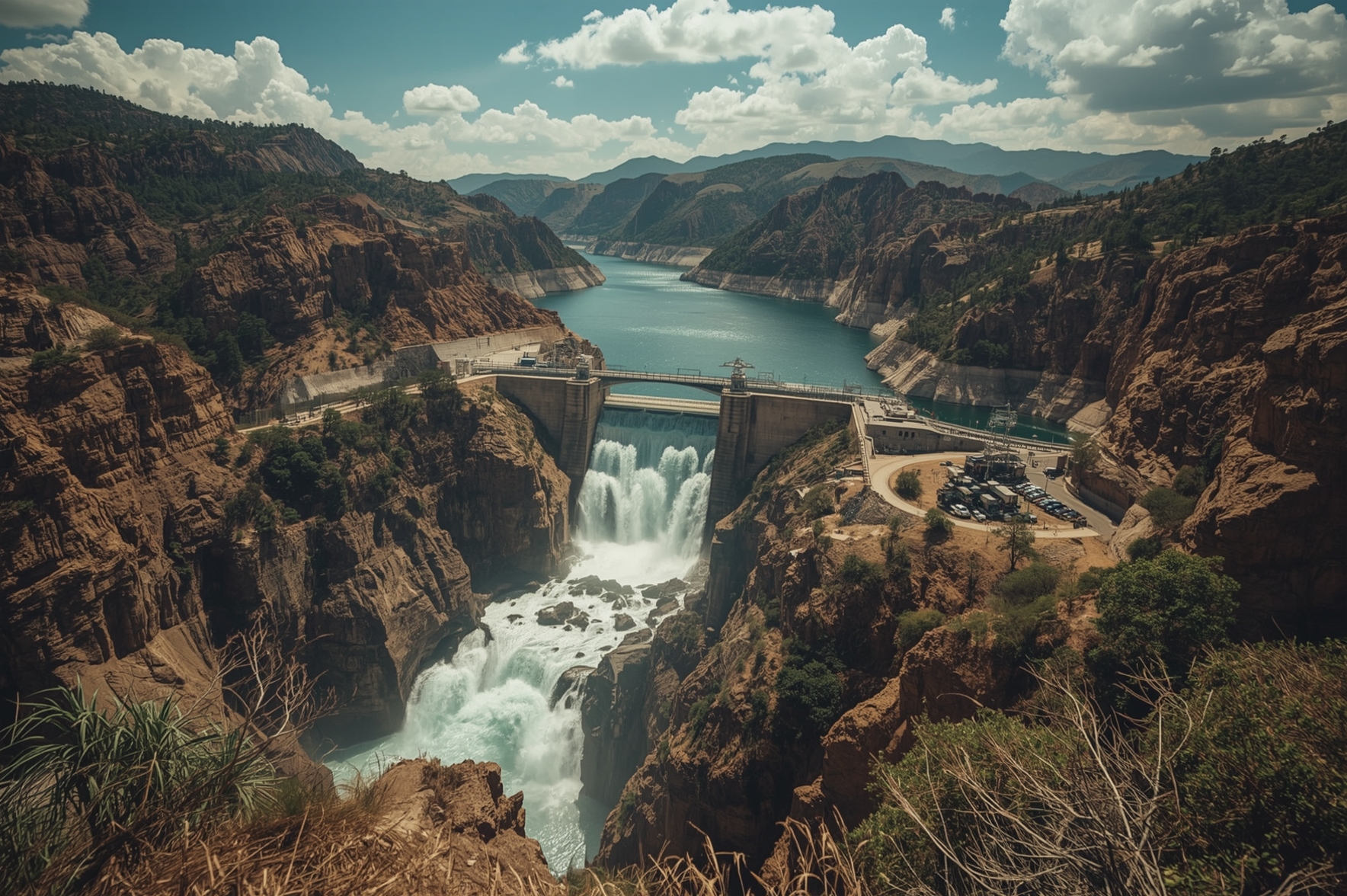
Brazil is a global leader in hydropower; it hosts the Itaipú Dam—the world’s second-largest hydroelectric power plant—and ranks among the top producers of hydroelectric energy worldwide, making renewable energy a key component of its electricity matrix.
Furthermore, the Lithium Triangle—comprising Bolivia, Argentina, and Chile—contains the largest lithium reserves in the world, with Bolivia having particularly vast deposits critical for the global battery industry and the energy transition. Despite these abundant resources, Latin America faces ongoing energy deficits, infrastructure shortcomings, and underutilization of its resources.
One of the primary obstacles is the political fragmentation that characterizes many Latin American countries. While there are political parties and leaders genuinely focused on national and regional interests, these are in the minority. The region’s political divisions often result in short-term policymaking, ideological polarization, and lack of sustained cooperation.

This fragmentation undermines efforts to build integrated energy strategies and weakens institutional capacity for regional energy cooperation. Without political consensus and leadership prioritizing national sovereignty and shared regional goals, Latin America struggles to translate its natural advantages into tangible energy security and economic benefits.
Nonetheless, there are existing frameworks and projects that demonstrate the potential for deeper energy collaboration. Organizations like the Latin American Energy Organization (OLADE) and regional blocs such as MERCOSUR promote dialogue and coordination on energy matters.
Binational projects, including the Itaipú Dam shared by Brazil and Paraguay, showcase successful cooperation in energy production and resource sharing. However, broader integration faces challenges related to regulatory differences, ideological disputes, and infrastructure deficits across countries.
The global shift toward a multipolar world, marked by the rise of China, Russia, India, and other emerging powers, offers new opportunities for Latin America to redefine its role in global energy geopolitics. By diversifying partnerships beyond traditional Western powers, attracting investment for critical energy infrastructure, and potentially forming alliances based on key resources—such as a lithium-producing bloc—Latin American countries can leverage geopolitical competition to their advantage. This evolving international context allows the region to assert itself as an independent player, increasing its strategic autonomy and bargaining power on the world stage.
To fully realize this potential, Latin America must strengthen its regional institutions, harmonize energy policies, and improve infrastructure connectivity. Equally important is the emergence of new leaders committed to prioritizing genuine national and regional interests over partisan or ideological divides.
Such leadership is essential to fostering the political will and long-term vision required to build resilient, integrated energy systems that can propel Latin America’s development and geopolitical influence.
In conclusion, Latin America’s abundant energy resources position it to be a key actor in the global energy landscape. While significant challenges remain—particularly political fragmentation and infrastructural gaps—the current multipolar global order presents a unique opportunity.
Through enhanced cooperation, diversified partnerships, and visionary leadership, Latin America can achieve energy sovereignty and become a formidable, independent force in international geopolitics.