After the fierce fighting in Bosnia and Herzegovina in the 1990s, the Dayton Agreement brought all sides to the peace table, but locals knew the pact would be fleeting in the long run. How could a country of roughly 3 million—artificially created, divided into two entities, encompassing three peoples with three religions, all overseen by a foreign “High Representative”—ever become a sustainable political project?
Milorad Dodik, former president of Republika Srpska (one of the two entities), has epitomized stonewalling the federalist project and the Serb desire for independence, potentially to join Serbia.
If Bosnia and Herzegovina were allowed to secede from Yugoslavia, why not Republika Srpska from Bosnia and Herzegovina? His defiance to the international High Representative and Bosnia’s Constitutional Court, by organizing events like Republika Srpska Day each January 9th, raised alarms about his real political agenda.
Dodik’s close ties to Russia and his anti-Atlanticist rhetoric worried both Washington and Brussels, leading to U.S. sanctions in 2017 and 2022 on the assumption of corruption and threats to the implementation of the Dayton agreements.
The High Representative of Bosnia-Herzegovina, Christian Schmidt (a German politician), annulled two Republika Srpska laws under Dodik’s influence that suspended Constitutional Court rulings and halted publication of his decrees, deeming them violations of the constitutional order and Dayton Accords. Dodik had become the black sheep of the Balkans.
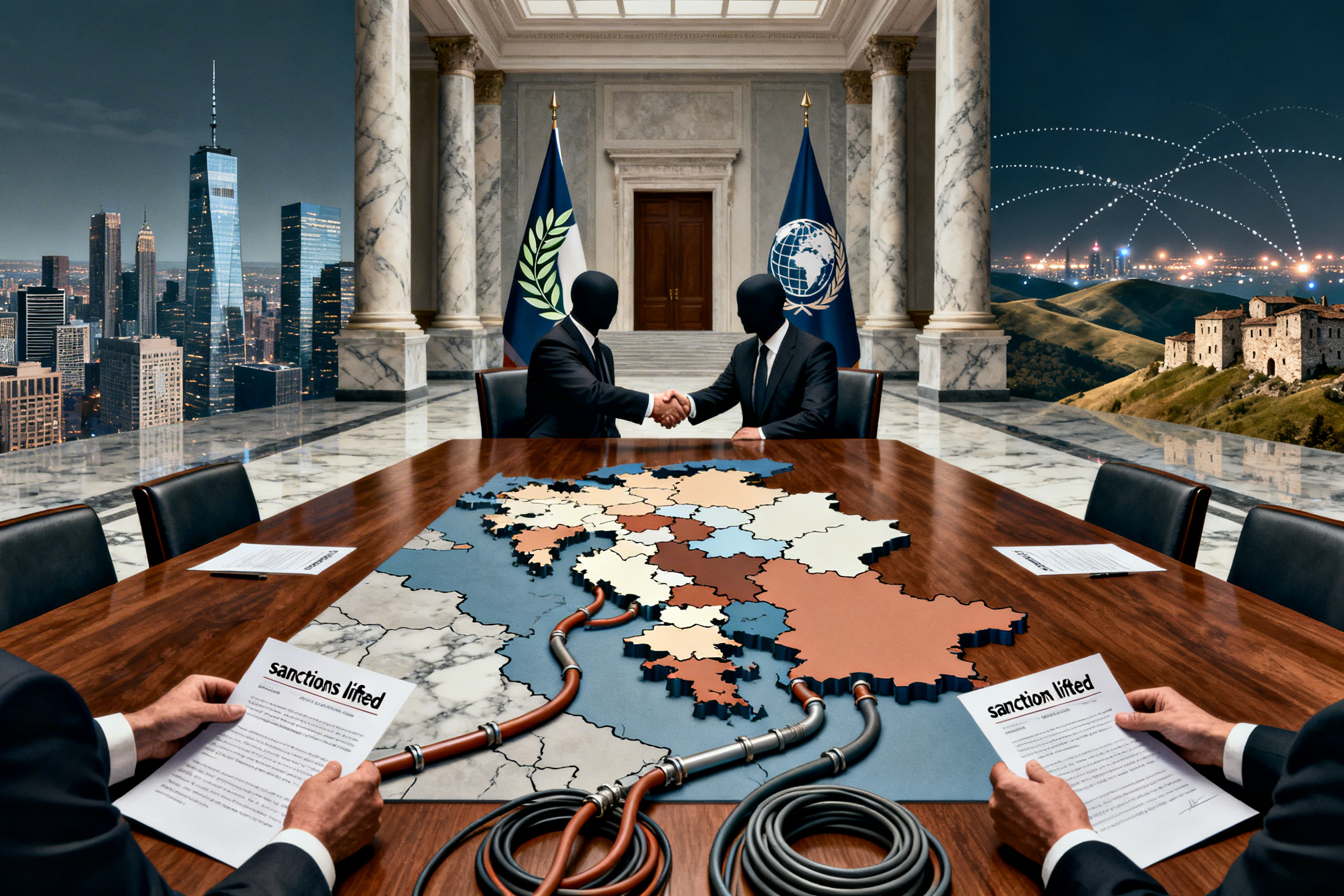
Everything changed abruptly however with the new Trump administration. Last October, U.S. sanctions on Dodik and close ties were lifted, thanks to lobbying by Trump allies like Rudolph Giuliani. This followed Dodik’s compliance with a Bosnian court ruling by stepping down from the presidency last August and support for Sarajevo-backed projects like the U.S.-promoted Southern Interconnection gas pipeline.
Earlier this month, Dodik was invited to Washington with Republika Srpska officials like Acting President Ana Trišić Babić and BiH Presidency member Željka Cvijanović. He met high-level figures including Defense Secretary Pete Hegseth and House Speaker Mike Johnson.
US Secretary of State Marco Rubio told the attendance at the Munich Security Conference that the United States and Europe belonged together and mentioned that they needed a new alliance. This shift in US diplomacy reflects Trump’s transactional foreign policy in Europe making deals with like-minded nationalist leaders to secure concessions, such as economic partnerships and countering European Union globalists.
Dodik framed the visit as restoring communication after years of unjust boycotts and sanctions, positioning Republika Srpska as a legitimate interlocutor. He remains nonetheless banned from public office in Bosnia and a pariah to Brussels. Dodik’s good relations with Moscow and recent visits to Isreal, Hungary and the US underline a network of new alliances developing in Eastern Europe aimed at downsizing the role of European globalists and strengthening Trump’s footprint on the old continent.