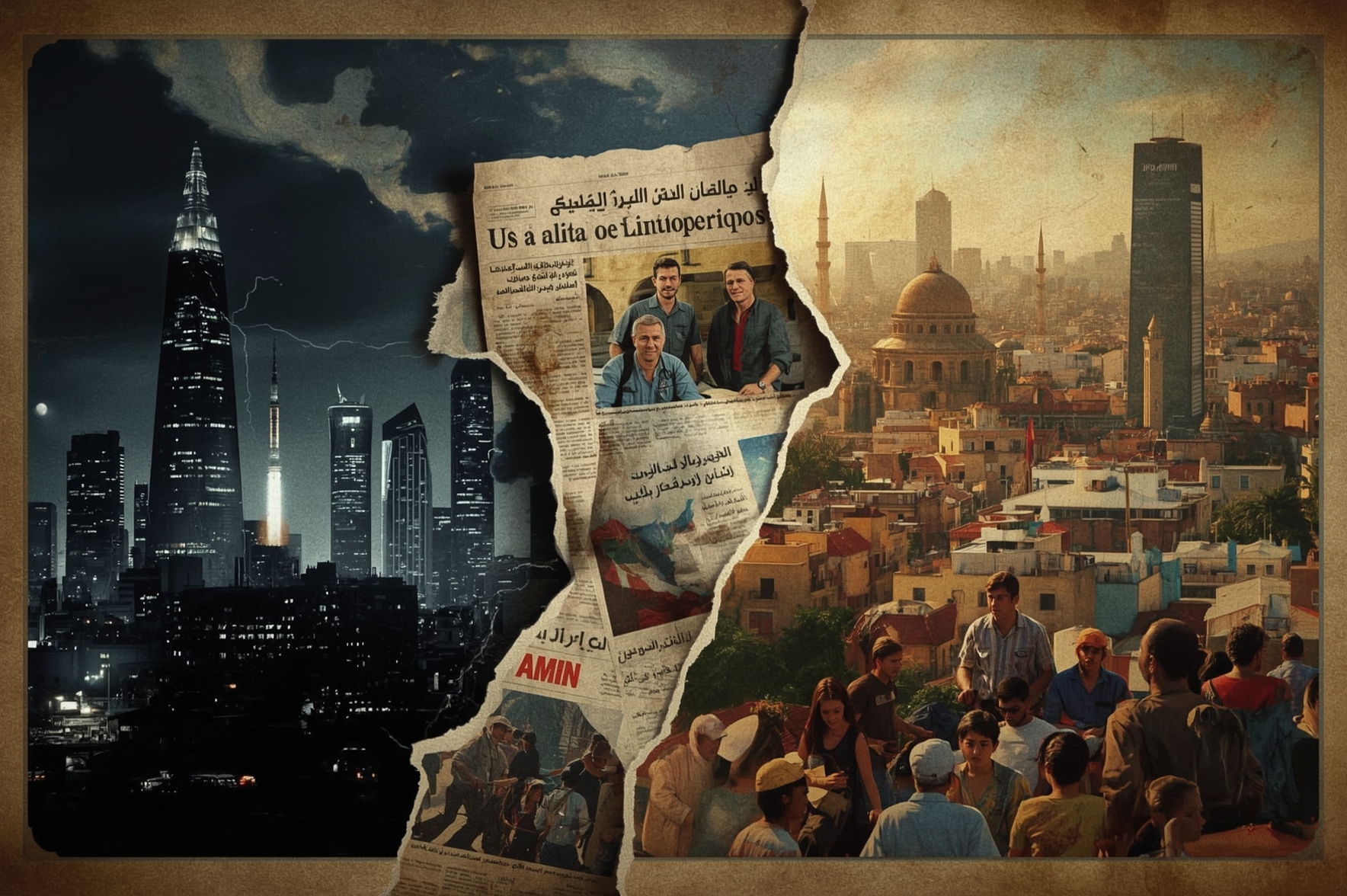
The escalating war between Israel and Iran is not just a regional crisis — it has serious global repercussions, including for Latin America. While geographically distant, Ibero-American nations are deeply embedded in the global economic, diplomatic, and energy systems that are now at risk. If the conflict deepens, particularly with the involvement of the United States, Latin America could face significant political and economic consequences.
One of the main ways the region could be affected is through economic instability. A prolonged war in the Middle East would likely trigger oil price spikes and disrupt global supply chains, especially in energy and food markets. Countries like Brazil, Argentina, and Mexico, which rely on trade and imports, would feel the pressure. Additionally, if the United States becomes directly involved, Latin American governments may come under diplomatic pressure to take sides, particularly to limit or sever their relations with Iran.
The United States is likely to attempt to constrain Latin American countries diplomatically and economically, pushing them to reduce ties with Iran or vote a certain way in international forums. Washington may employ mechanisms such as sanctions threats or cuts in development aid to compel compliance. However, such pressure may backfire in a region already tired of perceived U.S. interference in domestic affairs. Many Latin American leaders may resist becoming pawns in a geopolitical confrontation that does not serve their national interests.
Also, it must be emphasized that public perception in Latin America is far from unified. Among the most fervent supporters of Israel are evangelical Protestants and Christian Zionists, whose influence has grown in several Latin American countries, particularly in Brazil, Guatemala, and parts of Central America. This demographic often provides unwavering support for Israel based on religious beliefs tied to alleged biblical prophecies.
In contrast, a growing portion of Ibero-American societies has become increasingly aware of human rights violations committed by Israel in Gaza. Graphic images, reports from international human rights organizations, and widespread social media coverage have led to strong public indignation toward Tel Aviv. Many Catholics, who still represent the majority in the region, traditionally express skepticism or disapproval of Israel’s policies and military actions.
This divide presents a complex scenario: while Catholic public opinion leans toward sympathy with the Palestinian cause, particularly in rural and lower-income areas, Israel retains strong support from Evangelical communities in key urban centers. This urban sector — often involved in policymaking, media, and finance — tends to maintain close ties with Israeli interests and may influence government positions, creating internal tension.
In conclusion, the Israel-Iran war could destabilize Latin America indirectly, both economically and politically. The division in public opinion, coupled with external pressures from the United States, will challenge the region’s ability to maintain a balanced and sovereign foreign policy. Latin American governments must navigate these troubled waters with caution to avoid becoming collateral damage in a distant war.



One Response