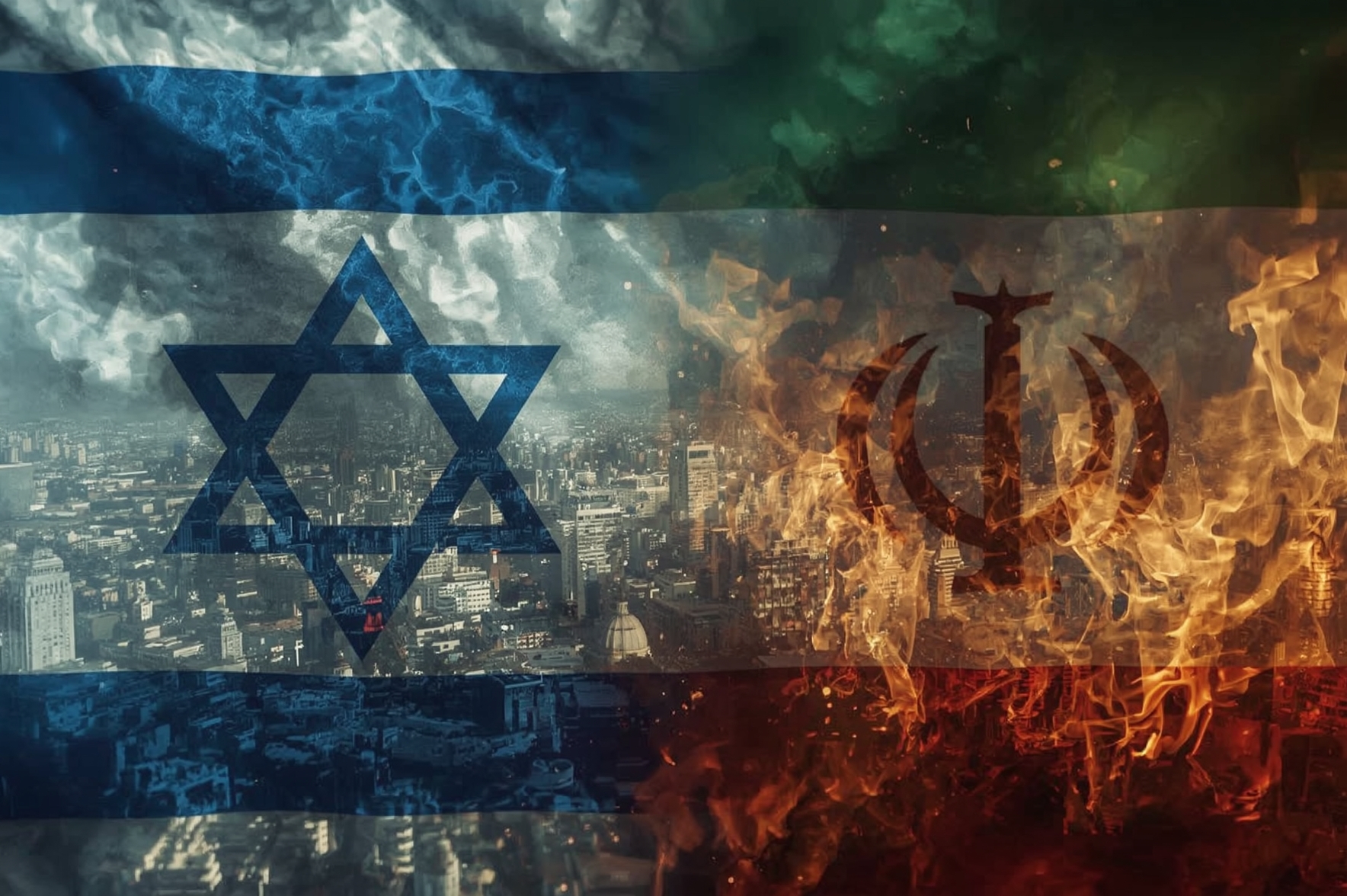
The tension between Israel and Iran, especially with the possible intervention of the United States, may seem like a distant problem for Latin America, but this idea is misleading. In such a connected world, any change (such as a war in the Middle East) affects our economies, societies, and political systems. Furthermore, the conflict shows how certain internal dynamics, such as the growth of political evangelism, can reflect the interests of others.
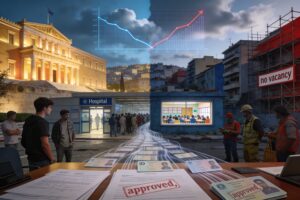
From an economic point of view, a war in the Middle East would destabilize the global supply chain, which is sustained by the oil market. The entire global economy depends on this market. It would affect most countries that depend on it in Latin American markets by increasing inflation, which implies an increase in the cost of living and pressure on international reserves due to rising external prices. These pressures trigger social tensions and deepen inequalities within each Latin American country, as they generate discontent and political problems.
But there is one aspect that is not taken into account: the political-religious dynamic. In the region, reactions to international conflicts are mixed. Some governments take a cautious approach or support multilateral solutions. Others, however, take a clear side among some of the factions. In this case, many “conservative” governments show sympathy for Israel, while others, supporting the Palestinian cause and anti-imperialism, sympathize with Iran. This polarization is not only due to geo-economic or geopolitical factors, but also to a religious construct that has been cultivated over the years.
Evangelical churches play an important role. Their growth in Latin America has been remarkable, as has their eschatological discourse, in which Israel is “God’s prophetic clock” and its existence is necessary for the fulfillment of the prophecy of the “messianic advent.” It is not surprising that countries where evangelicals exert greater demographic pressure, such as Honduras, Guatemala, and Paraguay, have decided to move their embassies from Tel Aviv to Jerusalem. Or their support for Israel’s military actions, regardless of the diplomatic cost or humanitarian context. The presence of Israeli flags at evangelical events in Latin America is also notable; the message is clear: there is a deeply rooted pro-Israel identity in the region.
Added to this is the support of “radical” right-wing parties, such as Vox in Spain, which openly defend Zionism, thus strengthening the link between political conservatism and support for Israel. These positions resonate in their countries and also have an impact on like-minded sectors in Latin America.
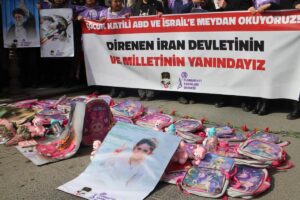
This has real consequences. It affects the diplomatic positions of governments, shapes public opinion, and conditions political debate. In response, the left and some sectors of civil society have denounced the crimes in Gaza, calling for a ceasefire and showing solidarity with Palestine. However, although the voices are strong, they do not have the same media impact as the pro-Israeli sectors.
So, is there favoritism toward one side? Yes, as can be seen in religious discourses aligned with the United States. This impartiality does not stem from a realistic analysis, but from cultural subordination, a lack of ability to think in our own terms. Ibero-America should not view this conflict as something foreign. We should reflect on our energy dependence, our vulnerabilities, and our symbolic permeability. The confrontation between Israel and Iran is an opportunity to ask ourselves whether we really have our own voice on the international stage or whether we have a script dictated by external agendas.
Israel, Iran, and Us: How a Distant War Shakes Ibero-America
The tension between Israel and Iran, especially with the potential for US intervention, may seem like a distant problem for Latin America, but this idea is misleading. In such a connected world, any change (such as a war in the Middle East) affects our economies, societies, and political systems. Furthermore, the conflict shows how certain internal dynamics, for example, the growth of political evangelicalism, can reflect the interests of others.
From an economic perspective, a war in the Middle East would unbalance the global supply chain, sustained by the oil market. The entire global economy depends on this oil. It would affect most of the oil-dependent countries in Latin American markets by increasing inflation, which implies an increase in the cost of living and pressure on international reserves due to rising external prices. These pressures trigger social tensions and deepen inequalities within each Ibero-American country, generating discontent and political problems.
But there is one aspect that is overlooked: the political-religious dynamic. In the region, reactions to international conflicts are disparate. Some governments take cautious approaches or support multilateral solutions, while others clearly take sides. In this case, many “conservative” governments show sympathy for Israel, while others, supporting the Palestinian cause and anti-imperialism, sympathize with Iran. This polarization responds not only to geoeconomic or geopolitical factors, but also to a religious construct that has been cultivated over the years.
Evangelical churches play an important role. Their growth in Latin America has been notable, as has their eschatological discourse, which sees Israel as “God’s prophetic clock” and its existence as necessary for the fulfillment of the prophecy of the “messianic advent.” It is not surprising that countries where evangelicals exert the greatest demographic pressure, such as Honduras, Guatemala, and Paraguay, have decided to move their embassies from Tel Aviv to Jerusalem. They have also supported their military actions, regardless of the diplomatic cost or the humanitarian context. The presence of Israeli flags at evangelical events in Latin America is also notable; the message is clear: there is a deeply rooted pro-Israeli identity in the region.
Added to this is the support of “radical” right-wing parties, such as Vox in Spain, which openly defend Zionism, thus strengthening the link between political conservatism and support for Israel. These positions resonate in their countries and also impact related sectors in Latin America.
This has real consequences. It affects governments’ diplomatic stances, shapes public opinion, and influences political debate. In response, the left and some sectors of civil society have denounced the crimes in Gaza, calling for a ceasefire and showing solidarity with Palestine. However, while these voices are strong, they do not have the same media impact as those of the pro-Israeli sectors.
So, is there favoritism toward one side? Yes, as can be seen in religious discourses alienated from the United States. This impartiality is not born of a realistic analysis, but of a cultural subordination, a lack of capacity to think in its own terms. Ibero-America should not view this conflict as something foreign. We should reflect on our energy dependence, our vulnerabilities, and our symbolic permeability. The confrontation between Israel and Iran is an opportunity to ask ourselves if we truly have our own voice on the international stage or if we are following a script dictated by external agendas.