
The global transition to clean energy has positioned lithium as the “white gold” of the 21st century. At the heart of this transformation lies South America’s Lithium Triangle, a region spanning Argentina, Bolivia, and Chile that holds approximately 60% of the world’s lithium reserves. This geographical advantage has sparked a new geopolitical dynamic, where resource sovereignty intersects with technological advancement and economic development.
Understanding the Lithium Triangle: Geography and Geology
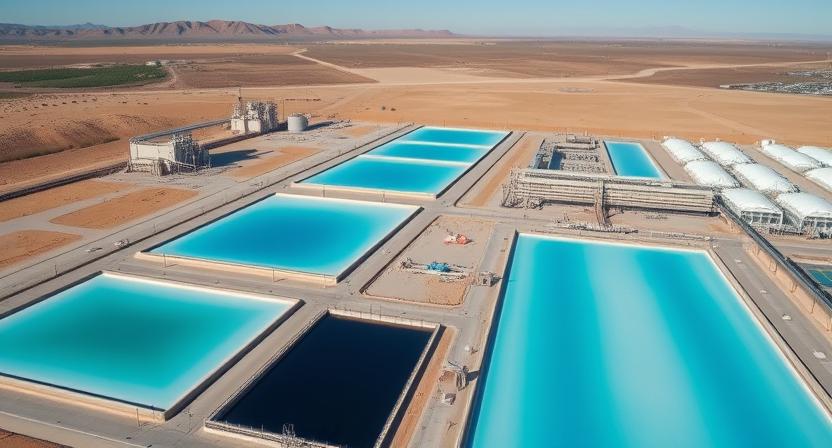
The Lithium Triangle encompasses the high-altitude salt flats (salares) of the Andes Mountains, primarily located in northwestern Argentina, southwestern Bolivia, and northern Chile. These ancient lakebeds, formed millions of years ago, contain lithium-rich brines that have concentrated over geological time scales.
The Three Pillars of Lithium Power
Argentina’s northwestern provinces of Jujuy, Salta, and Catamarca host numerous lithium projects, with the country emerging as the world’s fourth-largest producer. The Salar del Hombre Muerto and Salar de Olaroz represent some of the most productive operations globally.
Bolivia sits on the world’s largest lithium resource at the Salar de Uyuni, estimated to contain between 17-21 million tons of lithium. Despite this abundance, political instability and technical challenges have limited extraction efforts.
Chile, through its Salar de Atacama, has long dominated global lithium production, accounting for approximately 30% of worldwide output. The country’s stable political environment and established mining infrastructure have attracted significant international investment.

The Strategic Importance of Lithium in the 21st Century
Powering the Electric Vehicle Revolution
The exponential growth of the electric vehicle (EV) market has transformed lithium from a niche industrial mineral into a strategic resource. A single EV battery requires approximately 8-10 kilograms of lithium carbonate equivalent, creating unprecedented demand that’s expected to increase tenfold by 2030.
Major automotive manufacturers have recognized this reality, leading to direct investments in South American lithium projects. Tesla, BMW, and Chinese automaker BYD have all secured supply agreements with producers in the region, highlighting the strategic importance of securing stable lithium sources.
Beyond Transportation: Energy Storage and Grid Stability
Lithium-ion batteries play a crucial role in renewable energy storage systems, enabling solar and wind power to provide consistent electricity supply. Grid-scale battery installations are proliferating worldwide, with South American lithium serving as the foundation for this energy transition.
The International Energy Agency projects that battery storage capacity will need to increase by 44 times current levels by 2040 to meet climate goals, placing enormous pressure on lithium supply chains and elevating the Lithium Triangle’s global significance.
Technological Sovereignty: A New Paradigm for Resource Management
Breaking Colonial Patterns
Historically, South American nations have exported raw materials while importing finished products, perpetuating economic dependency. The lithium boom presents an opportunity to break this pattern through value-added processing and technology transfer requirements.
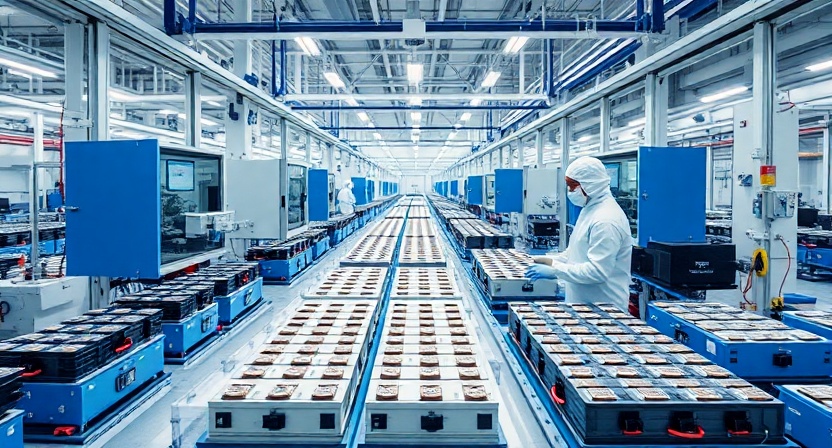
Argentina has implemented policies requiring lithium producers to develop local processing capabilities, moving beyond simple extraction to produce battery-grade lithium carbonate and hydroxide. This approach aims to capture more value within national borders while developing technical expertise.
National Strategies and Regional Cooperation
Each country in the Lithium Triangle has adopted distinct approaches to lithium governance. Chile’s state-controlled model, through CORFO (Production Development Corporation), maintains strict oversight of extraction rates and environmental standards. Argentina’s federal system allows provinces to negotiate directly with international companies, creating diverse partnership models.
Bolivia has pursued a nationalist approach, prioritizing state control and domestic industrialization. President Luis Arce’s administration has emphasized the development of a complete battery production chain, from raw lithium to finished battery cells.
Environmental Challenges and Sustainable Extraction
Water Scarcity and Ecological Impact
Lithium extraction through brine evaporation requires substantial water resources in regions already facing scarcity. The process consumes approximately 500,000 gallons of water per ton of lithium, raising concerns about impacts on local communities and ecosystems.
Indigenous communities, particularly in Chile’s Atacama region and Argentina’s Puna plateau, have raised alarms about declining water tables and threats to traditional agriculture. These concerns have led to protests and legal challenges that have delayed or halted several projects.
Innovation in Extraction Technologies
Direct Lithium Extraction (DLE) technologies promise to revolutionize the industry by reducing water consumption and processing time. Companies like Summit Nanotech and Lilac Solutions are deploying these technologies in South American projects, potentially addressing environmental concerns while increasing efficiency.
These innovations could reduce extraction time from 18 months to mere hours while recovering up to 90% of lithium content, compared to 50% with traditional methods. Such technological advances position the Lithium Triangle as a testing ground for sustainable mining practices.
This may interest you

Digital nightmare: Spyware and control
On February 26, 2026, Al Jazeera reported that the UK government has been investing in the development of software tested…


Social mobilization in Türkiye for national sovereignty and for the
On the sixth day of the conflict between the Islamic Republic of Iran and the United States and Israel, and…


The mass regularisation of illegal immigrants in Spain and its
Strong opposition in Spain and Europe to the new decree law aimed at the mass regularisation of immigrants. In January…


Kiev, the Bomb, and a Fractured World Order
In late February 2026, Russia’s Foreign Intelligence Service alleged that the United Kingdom and France were plotting to provide Ukraine…


Hegemonic restoration and unlimited war in the Arctic-space multipolar competition
In the context of the transition to a multipolar order, characterized by the erosion of Western unipolar dominance and the…


The Return of the Monroe Doctrine
This event aimed to analyze the concrete contemporary geopolitical landscape under the focus of the practical reactivation of the Monroe…
Geopolitical Implications and International Competition
The China Factor
China currently dominates lithium processing, controlling approximately 60% of global refining capacity. Chinese companies have invested heavily in South American lithium projects, including Ganfeng Lithium’s operations in Argentina and Tianqi Lithium’s stake in Chile’s SQM.
This presence has raised concerns about resource security among Western nations, prompting the United States and European Union to develop strategies for securing lithium supplies outside Chinese control.
Western Responses and Alternative Alliances
The United States has identified lithium as a critical mineral essential for national security. Through initiatives like the Minerals Security Partnership, Washington seeks to establish supply chains that bypass Chinese control.
The European Union’s Critical Raw Materials Act similarly aims to reduce dependency on single suppliers, with European companies increasingly active in South American lithium projects. This competition for resources has elevated the Lithium Triangle’s geopolitical significance.

Economic Opportunities and Development Prospects
Job Creation and Industrial Development
The lithium industry has generated thousands of direct jobs in extraction, processing, and logistics across the Triangle region. More significantly, the push for value-added production promises to create skilled technical positions in battery manufacturing and related industries.
Local content requirements and technology transfer agreements are fostering the development of supporting industries, from specialized equipment manufacturing to chemical processing facilities. This industrial ecosystem represents a pathway toward economic diversification.
Revenue Generation and Fiscal Benefits
Lithium revenues are transforming provincial and national budgets across the region. Argentina’s Jujuy province, historically one of the country’s poorest, now receives substantial royalties from lithium operations, funding infrastructure and social programs.
However, debates continue about appropriate taxation levels and revenue distribution. Balancing the need to attract investment with maximizing public benefits remains a central challenge for policymakers.
Future Outlook: Challenges and Opportunities
Technological Evolution and Market Dynamics
The development of solid-state batteries and alternative chemistries could alter lithium demand patterns. However, most experts agree that lithium will remain central to energy storage for the foreseeable future, ensuring the Lithium Triangle’s continued relevance.
Price volatility represents another challenge, with lithium carbonate prices experiencing dramatic swings that complicate long-term planning. Developing mechanisms to manage this volatility while ensuring stable supplies will be crucial for industry sustainability.
Regional Integration and Collective Bargaining
Proposals for an “OPEC of lithium” have emerged periodically, suggesting that Triangle countries could coordinate production and pricing policies. While full cartelization seems unlikely, increased cooperation on environmental standards, technology sharing, and market development could strengthen the region’s negotiating position.
The creation of regional research centers and shared infrastructure projects could maximize collective benefits while reducing duplicated efforts. Such collaboration could position South America as a global leader in sustainable lithium production.
Conclusion: Toward Technological Sovereignty
The Lithium Triangle represents more than a geological accident; it embodies South America’s opportunity to redefine its position in global value chains. Success will require balancing multiple objectives: attracting investment while retaining sovereignty, pursuing development while protecting environments, and competing internationally while cooperating regionally.
As the world accelerates toward electrification, the decisions made in Buenos Aires, La Paz, and Santiago will reverberate globally. The Lithium Triangle’s transformation from resource provider to technology partner could serve as a model for resource-rich developing nations worldwide, demonstrating that natural wealth can catalyze genuine technological and economic advancement when managed strategically.
The race for technological sovereignty through lithium is not merely about controlling resources but about shaping the future of energy, transportation, and industrial development. South America’s Lithium Triangle stands at the center of this transformation, holding the keys to a cleaner, more electrified future.