Introduction: A New Era of Regional Cooperation
The Middle East is experiencing a historic transformation. After decades of conflict, tension, and diplomatic isolation, the Gulf Cooperation Council (GCC) states and Israel are forging unprecedented partnerships that promise to reshape the region’s geopolitical landscape. This shift from hostility to cooperation represents one of the most significant diplomatic breakthroughs in modern Middle Eastern history, offering hope for lasting stability and prosperity.
The normalization of relations between Israel and several Arab nations, particularly GCC members, has created new opportunities for economic development, technological exchange, and regional security cooperation. This article explores how these emerging partnerships are rewriting the narrative of Middle East conflicts and paving the way toward a more stable future.
The Abraham Accords: Catalyst for Change
Historical Context and Breakthrough
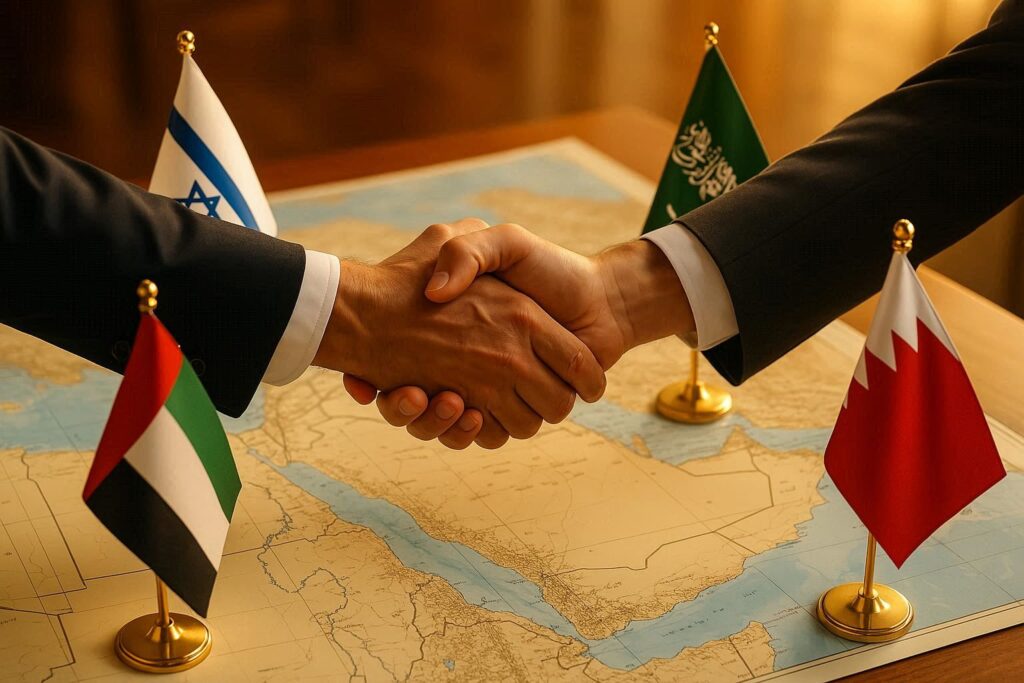
The Abraham Accords, signed in September 2020, marked a watershed moment in Middle Eastern diplomacy. The United Arab Emirates and Bahrain became the first Gulf states to officially normalize relations with Israel, followed by Morocco and Sudan. These agreements shattered decades of diplomatic taboos and opened doors previously considered impossible to unlock.
The accords represented more than symbolic gestures. They established frameworks for comprehensive cooperation across multiple sectors, including trade, tourism, technology, healthcare, and security. The speed and enthusiasm with which these nations embraced normalization surprised many observers and demonstrated the genuine desire for change among regional leaders.
Key Provisions and Commitments
The Abraham Accords encompassed several critical commitments that have shaped subsequent GCC-Israel relations. Both sides agreed to establish full diplomatic relations, including opening embassies and exchanging ambassadors. Direct flights between countries were inaugurated, connecting populations that had been artificially separated for generations.
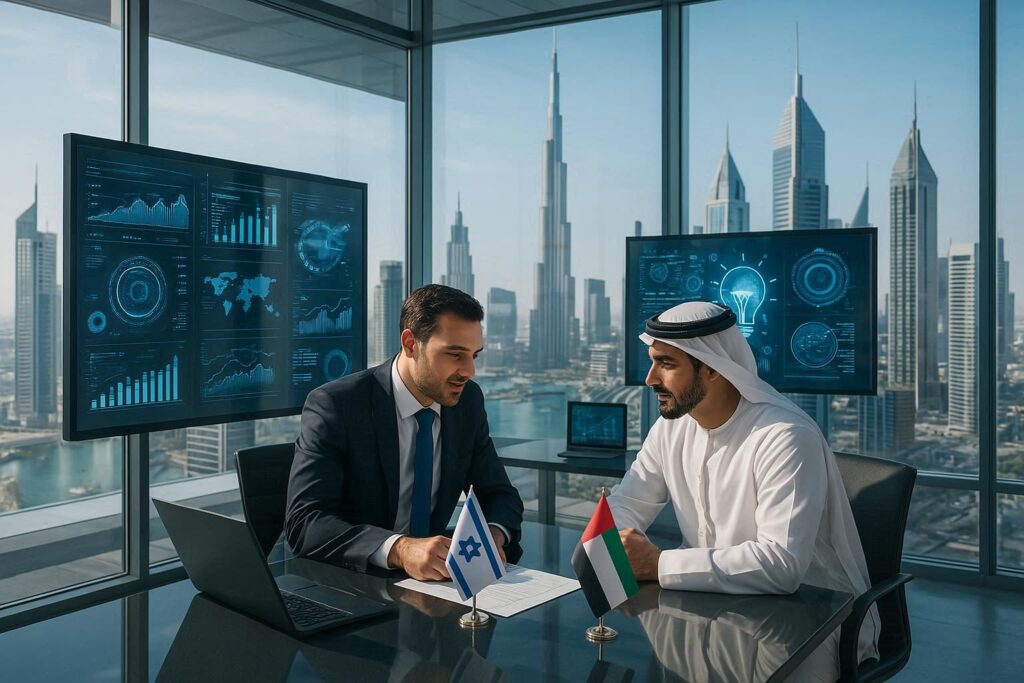
Economic cooperation protocols were established to facilitate bilateral trade and investment. Technology transfer agreements enabled Israeli innovation to flow into Gulf markets, while Gulf capital found new opportunities in Israeli ventures. Joint research initiatives in agriculture, water management, and renewable energy addressed shared regional challenges.
Economic Integration: Building Prosperity Through Partnership
Trade and Investment Flows
Since normalization, bilateral trade between Israel and GCC states has experienced exponential growth. The UAE-Israel trade volume reached over $2 billion within the first two years of the Abraham Accords, exceeding initial projections. Sectors ranging from diamonds and precious metals to technology and agricultural products have seen significant exchange.
Investment flows have been equally impressive. Emirati and Bahraini sovereign wealth funds have invested hundreds of millions of dollars in Israeli technology startups, while Israeli firms have established regional headquarters in Dubai and Abu Dhabi. This two-way investment creates interdependence that strengthens the foundation for lasting peaceful relations.
Technology and Innovation Collaboration
The technology sector has emerged as the crown jewel of GCC-Israel cooperation. Israeli expertise in cybersecurity, artificial intelligence, agricultural technology, and water management complements Gulf resources and market access. Joint ventures have produced innovative solutions to regional challenges, from desalination technologies to smart city infrastructure.
The synergy between Israeli innovation and Gulf capital has created a new Middle Eastern technology hub. Startup accelerators, joint research centers, and technology parks have sprouted across the region, attracting global attention and investment. This collaboration positions both sides as leaders in the global innovation economy.
Security Cooperation: Addressing Shared Threats
Common Strategic Interests
Perhaps the most significant, though least publicly discussed, aspect of GCC-Israel normalization involves security cooperation. Both sides face common threats from Iranian expansionism, extremist ideologies, and regional instability. This shared security environment has created natural incentives for intelligence sharing and strategic coordination.
Iran’s nuclear program, support for proxy militias, and aggressive regional posture concern both Israeli and Gulf leaders. The normalization process has enabled more open dialogue and coordination on countering these threats. While specific details remain classified, reports suggest significant intelligence cooperation and joint strategic planning.
Defense Industry Partnerships
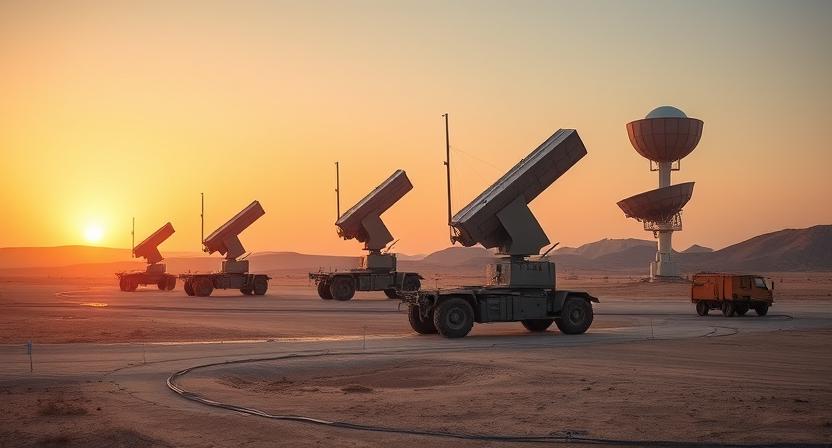
The defense sector represents another area of deepening cooperation. Israeli defense companies have established partnerships with Gulf counterparts, providing advanced systems and technologies. From missile defense to drone technology and border security systems, Israeli expertise enhances Gulf defensive capabilities.
These partnerships extend beyond simple arms sales to include joint development projects, technology transfer, and training programs. Such deep integration in the sensitive defense sector indicates the genuine strategic nature of these relationships and the mutual trust being built.
Cultural and Social Dimensions of Normalization
People-to-People Connections
Beyond government agreements and business deals, normalization has opened spaces for human connections. Thousands of Israeli tourists have visited the UAE and Bahrain, experiencing Arab hospitality and culture firsthand. Similarly, Gulf citizens have traveled to Israel, visiting historical and religious sites.
These personal interactions break down stereotypes and build understanding. Social media has exploded with images and stories of Israelis and Arabs meeting, collaborating, and forming friendships. Educational exchanges, cultural events, and artistic collaborations further strengthen these bonds.
Religious and Interfaith Dialogue
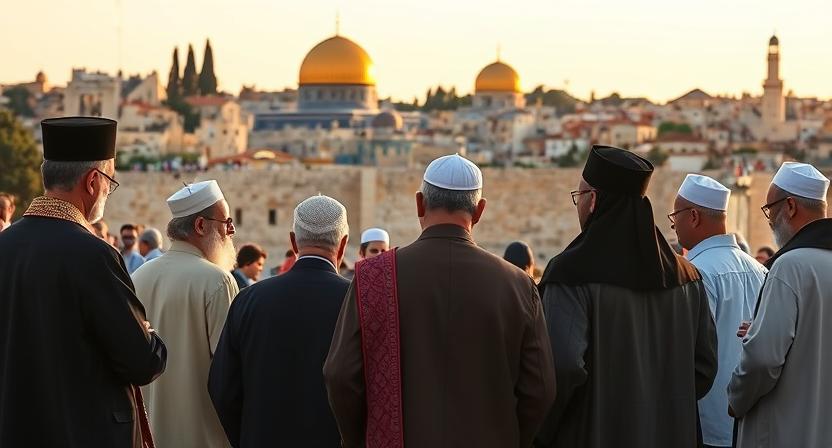
The religious dimension of normalization carries special significance. Israel’s hosting of delegations from Gulf states has included visits to holy sites in Jerusalem, enabling Muslims to pray at Al-Aqsa Mosque while fostering interfaith understanding. Jewish communities in Gulf states have emerged from the shadows, openly practicing their faith.
Interfaith dialogue initiatives have brought together religious leaders from across the region to discuss common values and address misconceptions. These efforts help build a theological foundation for peaceful coexistence and counter extremist narratives that have fueled conflict.
Challenges and Obstacles to Lasting Stability
Palestinian Question Remains Central
Despite the progress in GCC-Israel relations, the Palestinian issue remains the central challenge to comprehensive regional peace. Many Arabs, including in normalizing countries, view peace with Israel as conditional on resolving the Palestinian conflict. The absence of progress on Palestinian statehood creates potential fragility in normalization.
Public opinion in many Arab countries remains sympathetic to Palestinian aspirations. Governments that normalize relations with Israel without addressing Palestinian concerns risk domestic criticism and potential instability. Sustainable regional peace ultimately requires addressing Palestinian legitimate rights and aspirations.
Internal Political Dynamics
Political changes within countries can threaten normalization progress. Electoral shifts in Israel, succession questions in Gulf monarchies, or domestic pressures in normalizing countries could alter the trajectory of these relationships. Building institutional frameworks that survive political transitions remains crucial.
Opposition groups, particularly those aligned with Iran or sympathetic to political Islam, actively work to undermine normalization. They view these agreements as betrayals of Arab and Islamic causes. Managing this opposition while deepening cooperation presents ongoing challenges for regional leaders.
Regional Impact and Broader Implications
Weakening of Resistance Axis
GCC-Israel normalization has significantly weakened the Iran-led “resistance axis” that long positioned itself as the defender of Palestinian rights and opponent of Israeli “aggression.” As major Arab states normalize with Israel, this narrative loses credibility and support.
Countries like Syria, Iraq (under Iranian influence), and Lebanon face new regional dynamics where they find themselves increasingly isolated. The resistance axis’s relevance diminishes as practical cooperation between Israel and Arab states delivers tangible benefits to populations.
Potential for Expanded Normalization
The success of initial normalization has created momentum for expansion. Saudi Arabia, the most influential Arab state, has engaged in quiet diplomacy with Israel and appears to be moving toward eventual normalization, albeit cautiously and with conditions related to Palestinian issues.
Other countries, including Indonesia, Pakistan, and North African states, watch the GCC-Israel model with interest. If the current partnerships continue delivering economic and strategic benefits while managing political sensitivities, the normalization wave could expand significantly.
The Role of External Powers
United States as Facilitator
The United States played a crucial role in brokering the Abraham Accords and continues to support normalization efforts. American security guarantees, economic incentives, and diplomatic pressure helped overcome obstacles to normalization. The U.S. views a stable, integrated Middle East aligned with American interests as a strategic priority.
However, American policy toward the region fluctuates with administration changes, creating uncertainty. The relationship between U.S. engagement levels and regional stability remains a critical variable in the normalization process’s long-term success.

Digital nightmare: Spyware and control
On February 26, 2026, Al Jazeera reported that the UK government has been investing in the development of software tested…

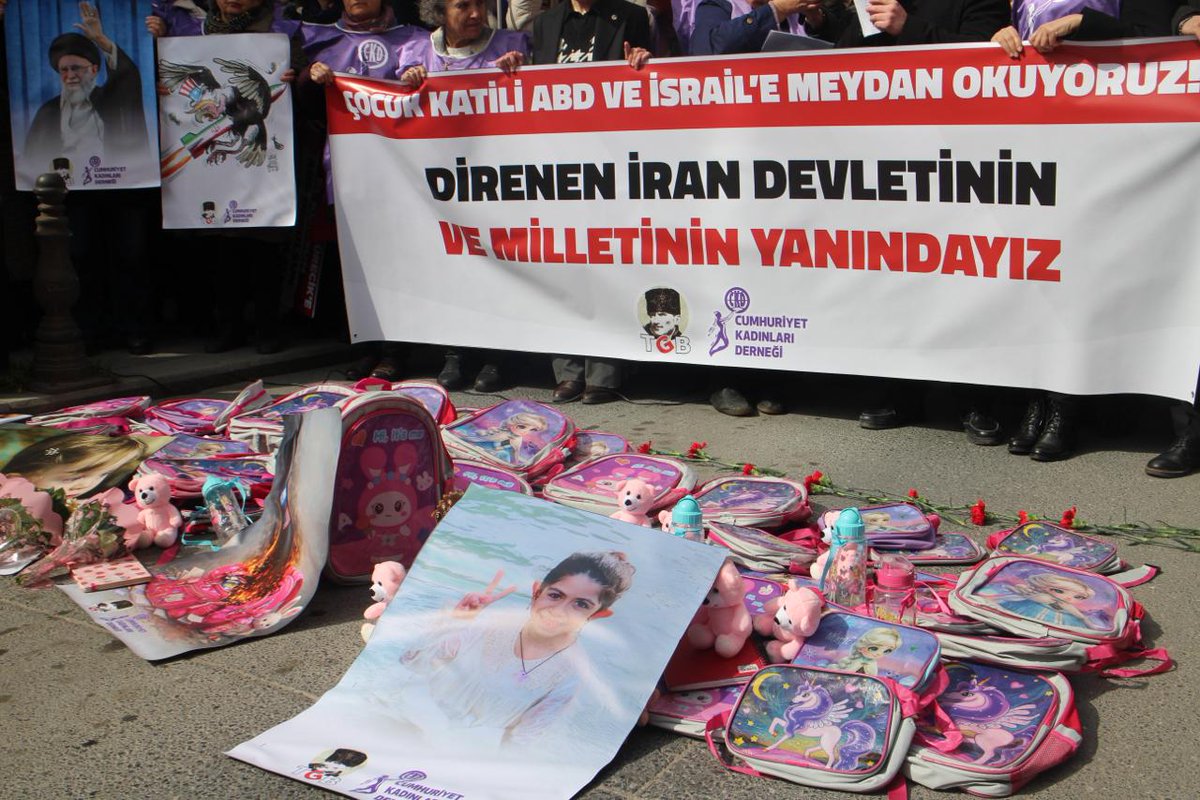
Social mobilization in Türkiye for national sovereignty and for the
On the sixth day of the conflict between the Islamic Republic of Iran and the United States and Israel, and…


The mass regularisation of illegal immigrants in Spain and its
Strong opposition in Spain and Europe to the new decree law aimed at the mass regularisation of immigrants. In January…


Kiev, the Bomb, and a Fractured World Order
In late February 2026, Russia’s Foreign Intelligence Service alleged that the United Kingdom and France were plotting to provide Ukraine…


Hegemonic restoration and unlimited war in the Arctic-space multipolar competition
In the context of the transition to a multipolar order, characterized by the erosion of Western unipolar dominance and the…


The Return of the Monroe Doctrine
This event aimed to analyze the concrete contemporary geopolitical landscape under the focus of the practical reactivation of the Monroe…

Iran-US-Israel War: What the experts say
The long-awaited war between the Islamic Republic of Iran, the United States and Israel has begun, the real trajectory of…

Argentine-U.S. Trade Agreement: Cooperation or Vassalage?
On February 5, the Agreement on Reciprocal Trade and Investment was signed between the administrations of Donald Trump and Javier…


Situation of the new round of EU sanctions against Russia
The European Union is approaching the twentieth round of sanctions against Russia, each new one more unsuccessful than the previous…

European and Asian Engagement
European nations have welcomed Middle East normalization and actively support economic integration through trade agreements and investment. Asian powers, particularly China and India, see opportunities in a more stable region and have increased their engagement accordingly.
This diverse international support provides additional stability to normalization processes but also introduces complexity as different powers pursue distinct interests in the region.
Future Prospects: Toward Comprehensive Regional Peace
Building Multilateral Frameworks
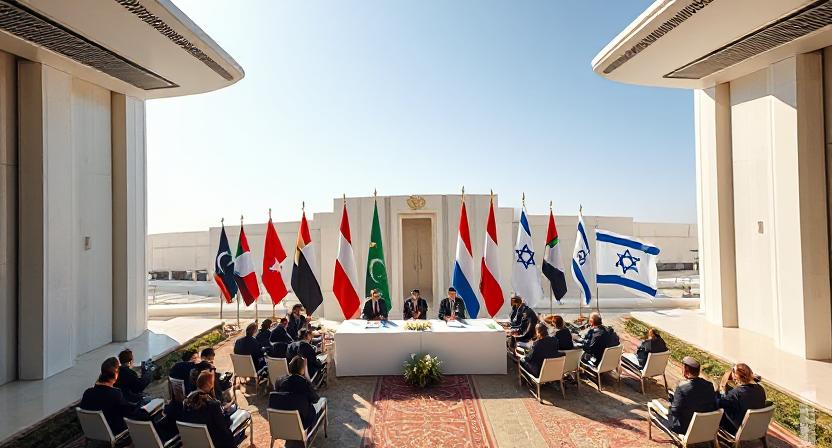
The future of Middle East stability lies in developing multilateral frameworks that include all stakeholders. Regional organizations that incorporate both Arab states and Israel could address shared challenges from water scarcity to climate change, from pandemic response to economic development.
Such institutions would create dense networks of cooperation that make conflict increasingly costly and peace increasingly beneficial. The European Union model, where economic integration made war unthinkable between former enemies, offers inspiration for Middle Eastern integration.
Economic Integration as Peace Foundation
Ultimately, lasting peace requires creating shared prosperity where all parties benefit from cooperation. Economic integration that improves living standards, creates jobs, and addresses regional challenges builds constituencies for peace within societies.
The vision of a Middle East where goods, services, people, and ideas flow freely across borders, where Israeli technology meets Gulf capital and Arab markets, and where cooperation addresses climate change and water scarcity, represents the promise of this new era.
Conclusion: From Conflict to Cooperation
The transformation of Middle East dynamics from conflict to cooperation between GCC states and Israel represents a historic opportunity. While significant challenges remain, particularly regarding Palestinian rights and regional security threats, the foundation for lasting stability is being constructed.
Success requires sustained commitment from regional leaders, support from international partners, and most importantly, genuine efforts to address the legitimate aspirations of all peoples in the region. The path from decades of hostility to sustainable peace is long and complex, but the journey has begun in earnest.
The Middle East stands at a crossroads. The choices made today will determine whether the region continues its trajectory toward integration and prosperity or reverts to patterns of conflict and instability. The early signs are encouraging, and the potential benefits of success are immense—not just for the region but for global stability and prosperity.