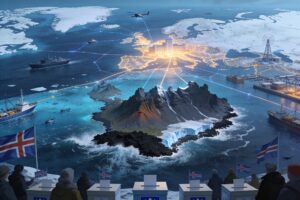
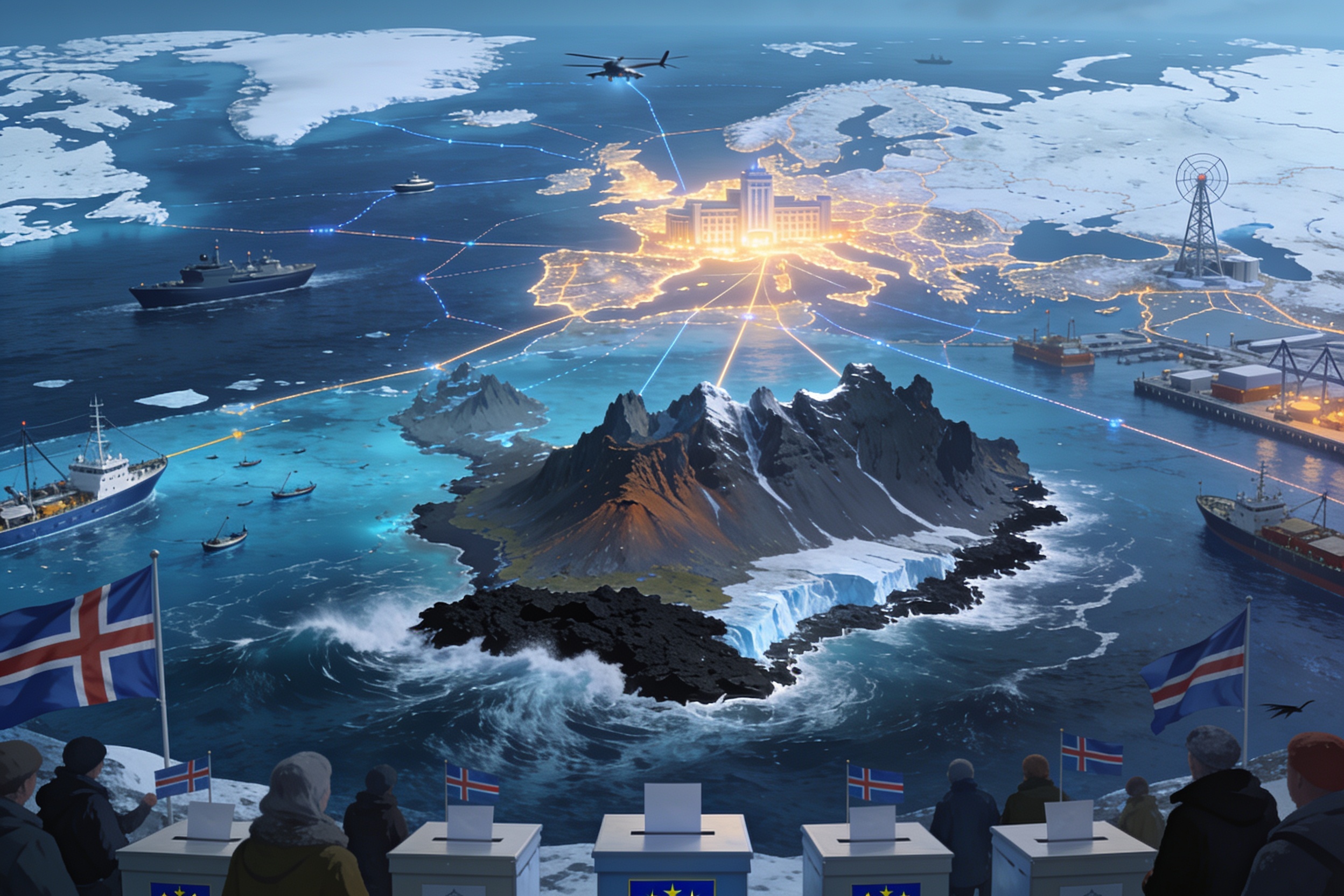
On 29 August, Iceland said NO to the European Union (EU): in the referendum, 52.8% of voters rejected a return to negotiations with the EU, a decade after the first phase of those negotiations had taken place.
Geopolitically, supporters of the “Yes” vote warned of the “Trump” danger: he has spoken of coercively acquiring Greenland, so the security of the North Atlantic and the Arctic becomes more uncertain, and Iceland, which is small, has no standing army and is very close to Greenland, needs to strengthen its security guarantees, while being inside the EU would give it a stronger position in Europe. This argument, perhaps in the face of the EU’s loss of credibility in recent years, as well as its declining diplomatic and economic influence worldwide, had little effect.
Domestically, supporters of the “Yes” vote argued that joining the EU would reduce the country’s high interest rates — the Central Bank of Iceland’s policy rate currently stands at 8% — and that the cost of living would fall. But the tired economic argument failed to work this time.
Supporters of the “No” vote warned of the threat to the island’s sovereignty and its fishing waters, as well as to its agriculture. Fish and the maritime industry account for around 40% of the country’s exports, and, as has happened with all the other members, all of this would end up in the hands of bureaucrats in Brussels, perhaps to finance wars that have nothing to do with Icelandic interests.
The “No” campaigners also warned of insecurity, and Icelanders do not need to look far for examples from the past: they need only look at the ongoing civil war in Belgium, the Ceuta catastrophe, and the EU’s threats and sanctions against members that refuse to open their borders indiscriminately. According to the Human Development Index (hdr.undp.org), Iceland was the fifth-best country in the world in 2019, rising to first place in 2023. And it did not need to be an EU member to achieve this result.
Iceland is already part of the European Economic Area, which gives it access to the EU single market, and of the Schengen Area, allowing the free movement of people without border controls. The lesson to be drawn from this is that it is possible to cooperate with the EU without becoming completely absorbed by it, and to trade with it without transferring every conceivable decision to it, and to have common interests without having a common political identity dictated by bureaucrats, with countries and citizens being squeezed into it like mental patients into a straitjacket. The options are not simply to become a member or remain isolated: there is a third way. Congratulations came from populist political forces across Europe, from both the left and the right.
History tells us that, normally, when people vote the “wrong” way, we are treated to lectures about disinformation, populism, Russian influence, democratic backsliding, or the possibility that the electorate has simply become too stupid to appreciate the wonderful plan being implemented on its behalf. But Iceland appears to have escaped this compulsory remedial democracy class.
A statement read: “The European Commission takes note of the outcome of Iceland’s referendum. The Commission respects the choice of the Icelandic people. Iceland remains a close partner of the European Union,” it said. In other words, “You may have rejected our marriage proposal, but that does not mean the end of our relationship.” Well, at least until 2028, when the current Icelandic government’s term ends, the EU will not get its hands on Iceland.