
For the past quarter century, Colombia has served as Washington’s most important security ally in Latin America and the Caribbean. Since the introduction of Plan Colombia in fiscal year 2000, a program that in theory aimed at combating narcotics and strengthening security, but in reality, its plans was to maintain a foothold in the North side of South America, specially since the Bolivarian government of Hugo Chavez, took place in Venezuela, in that way, it could be used to maintain contact and observation in the neighbor country and in the whole Amazon rainforest, a region of great importance to the NATO interests, the US could have been a major recipient of U.S. foreign aid and congressional focus.
Between FY2000 and FY2018, more than $10 billion in funding from the State and Defense Departments was directed to Colombia, support that proved crucial at a time when the Colombian government was on the verge of collapse in the late 1990s.
In June 2022, Colombians elected former senator Gustavo Petro as president for a four-year term after he won a runoff against Rodolfo Hernández, a construction magnate and former one-term mayor. Positioned on the liberal left of the political spectrum, Petro initially found common ground with the Biden administration, particularly on issues such as combating climate change, reducing dependence on fossil fuels, and promoting ethnic and gender inclusion, all while continuing to engage on the complex situation in Venezuela.
However, the return of Donald Trump to the White House introduced new strains. Trump’s hardline stance on immigration clashed with Petro’s policies, sparking tensions that resonated with Colombian national pride. Yet the deeper source of friction lay in Colombia’s growing ties with Beijing.
In recent years, China has advanced ambitious projects in the country, strengthening its influence with little domestic pushback. Although Colombia has not joined the BRICS, the two nations established a Strategic Partnership in 2023, and China has already become Colombia’s second-largest trading partner, with its presence expanding rapidly.
This may interest you

Digital nightmare: Spyware and control
On February 26, 2026, Al Jazeera reported that the UK government has been investing in the development of software tested…

Social mobilization in Türkiye for national sovereignty and for the
On the sixth day of the conflict between the Islamic Republic of Iran and the United States and Israel, and…


The mass regularisation of illegal immigrants in Spain and its
Strong opposition in Spain and Europe to the new decree law aimed at the mass regularisation of immigrants. In January…


Kiev, the Bomb, and a Fractured World Order
In late February 2026, Russia’s Foreign Intelligence Service alleged that the United Kingdom and France were plotting to provide Ukraine…

Hegemonic restoration and unlimited war in the Arctic-space multipolar competition
In the context of the transition to a multipolar order, characterized by the erosion of Western unipolar dominance and the…


The Return of the Monroe Doctrine
This event aimed to analyze the concrete contemporary geopolitical landscape under the focus of the practical reactivation of the Monroe…
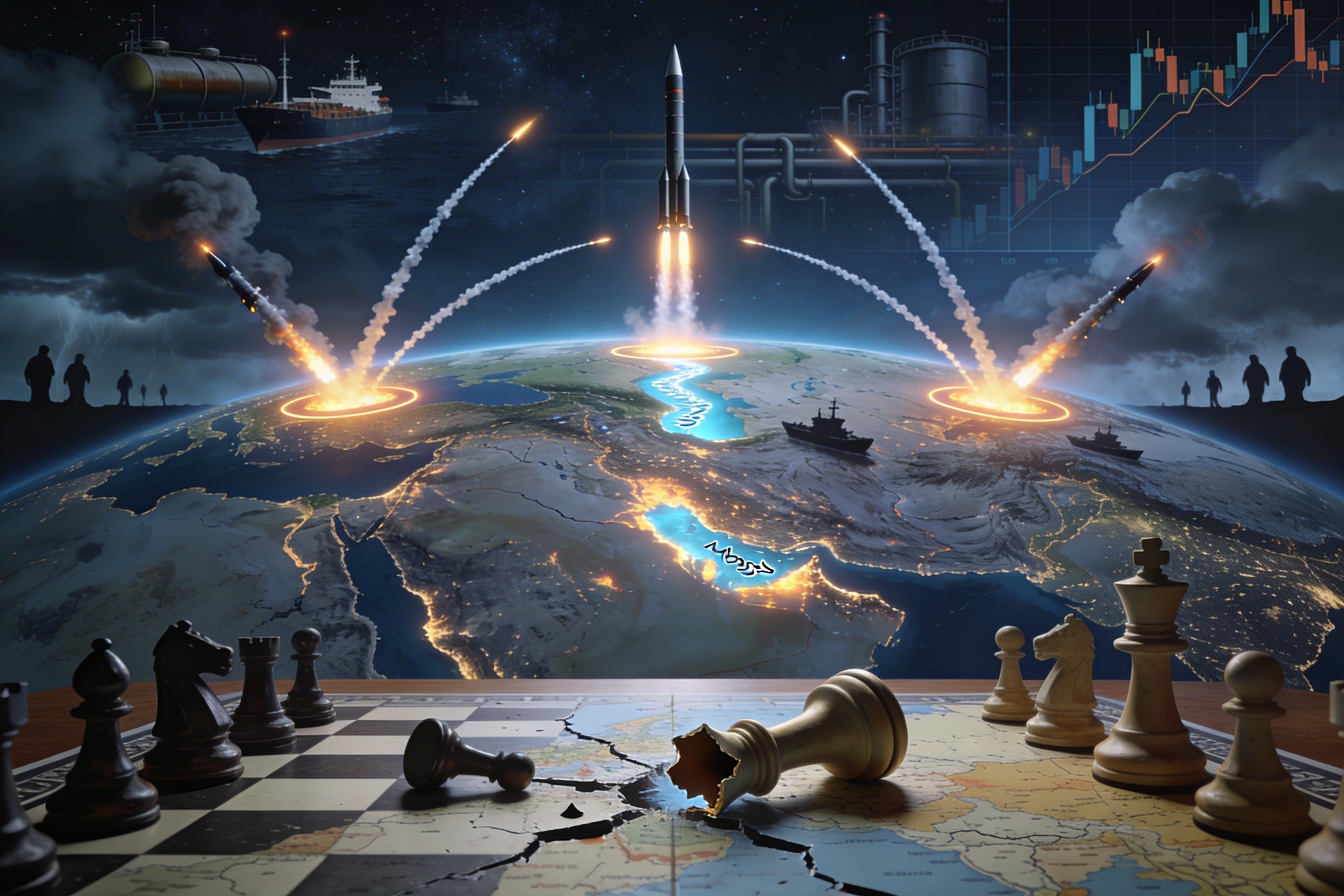
Iran-US-Israel War: What the experts say
The long-awaited war between the Islamic Republic of Iran, the United States and Israel has begun, the real trajectory of…

Argentine-U.S. Trade Agreement: Cooperation or Vassalage?
On February 5, the Agreement on Reciprocal Trade and Investment was signed between the administrations of Donald Trump and Javier…

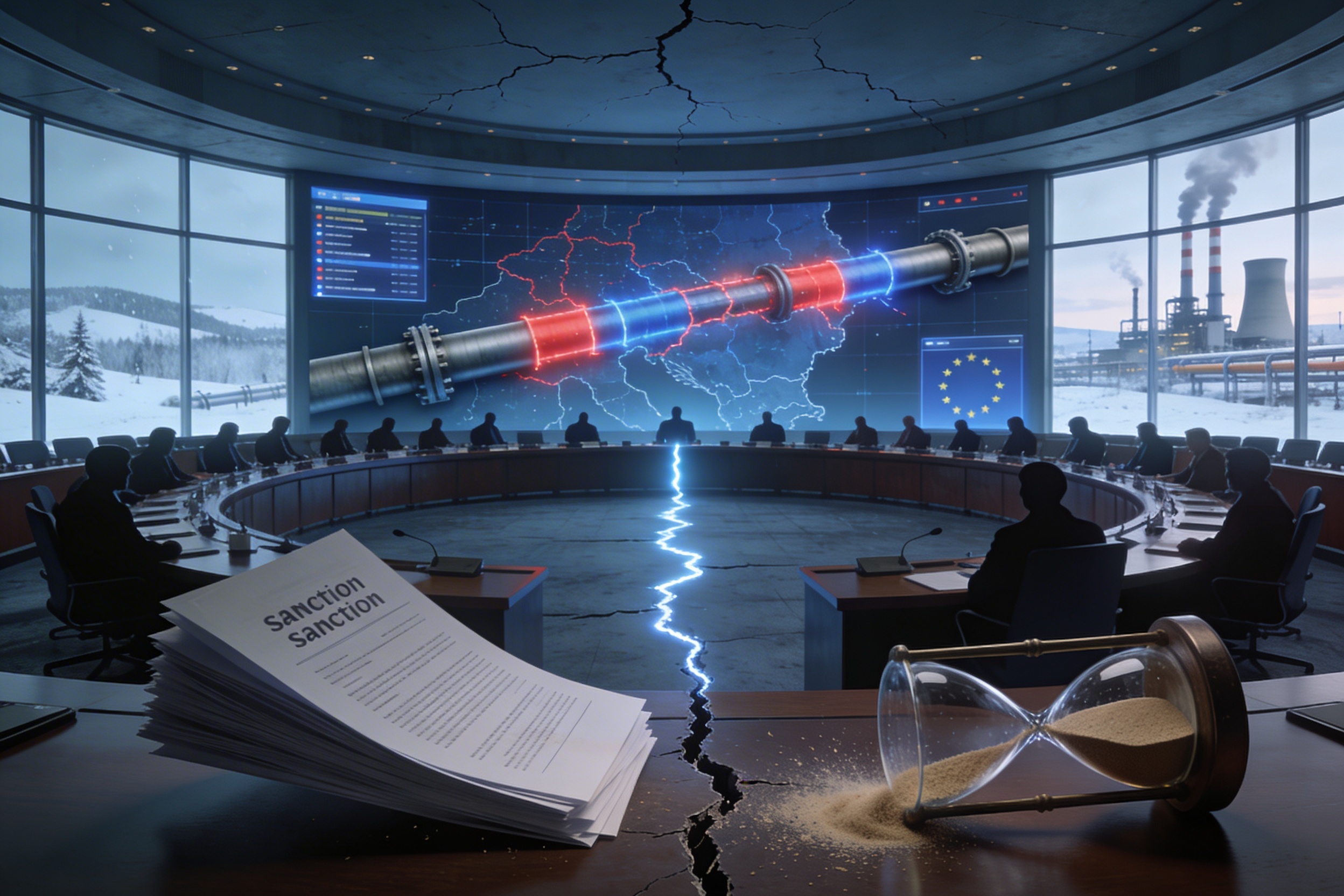
Situation of the new round of EU sanctions against Russia
The European Union is approaching the twentieth round of sanctions against Russia, each new one more unsuccessful than the previous…

In other words, the true reason of the tensions is because the USA is in fear of losing it’s greatest important ally in one of the most disputed regions, and is part of a blackmail strategy to keep Colombia in line.
By now it’s too soon to say that the relations between both governments are going to be completely severed, since Petro is in the ending of it’s mandate, so even if the tensions intensifies and more politics against both sides are applied, though tensions are likely to persist and possibly worsen in certain policy áreas, everything can change if the opposition and a new government rises do power.
And for last, Colombia will likely continue to deepen economic and diplomatic relations with China, and perhaps diversify its arms and development partners. But the depth of relying on China for security will be constrained by cost, compatibility, logistics, and domestic political resistance.