Donald Trump and Vladimir Putin are building a bilateral and effective format to restore state interactions between the United States and Russia, promote global strategic stability and jointly resolve some traumatic and complex cases that occur in the globality of the current historical development.
It is an indisputable truth that both leaders respect each other and that they have many points in common both in the human civilizational order and in what they want for the future of humanity itself. The personal and power differences that persist in the approaches, objectives and aspirations of each one do not produce any obstacle that prevents a sincere interrelation tending to productivity with further strategic gains for both states.
Despite the proliferation of mutual adversaries, Trump and Putin will meet again, once again, in Budapest, to continue in the formal and factual configuration of a maximum consensus that enables the realization of the goals of both and gives sustainability to the decisions they made together in Alaska, ensuring, among other realities, the lack of realization of a world war or that the world as such descends into the abyss.
For practical purposes and in world organizational terms, it is convenient and necessary that these two great figures of the world Class A agree, sooner rather than later, the consensual commitments that multiply in real benefits for the different global dimensions, interrupting the destructive agenda of the globalist and Atlanticist monody and excluding the success of the most dangerous variables of the globalist complex.
For this reason, the concrete assent between Trump and Putin will have an impact on the decline of the globalist power formations from the world decision-making center and, to a substantial extent, will cooperate systemically for the rise of world polyarchy.
Digital nightmare: Spyware and control
On February 26, 2026, Al Jazeera reported that the UK government has been investing in the development of software tested…

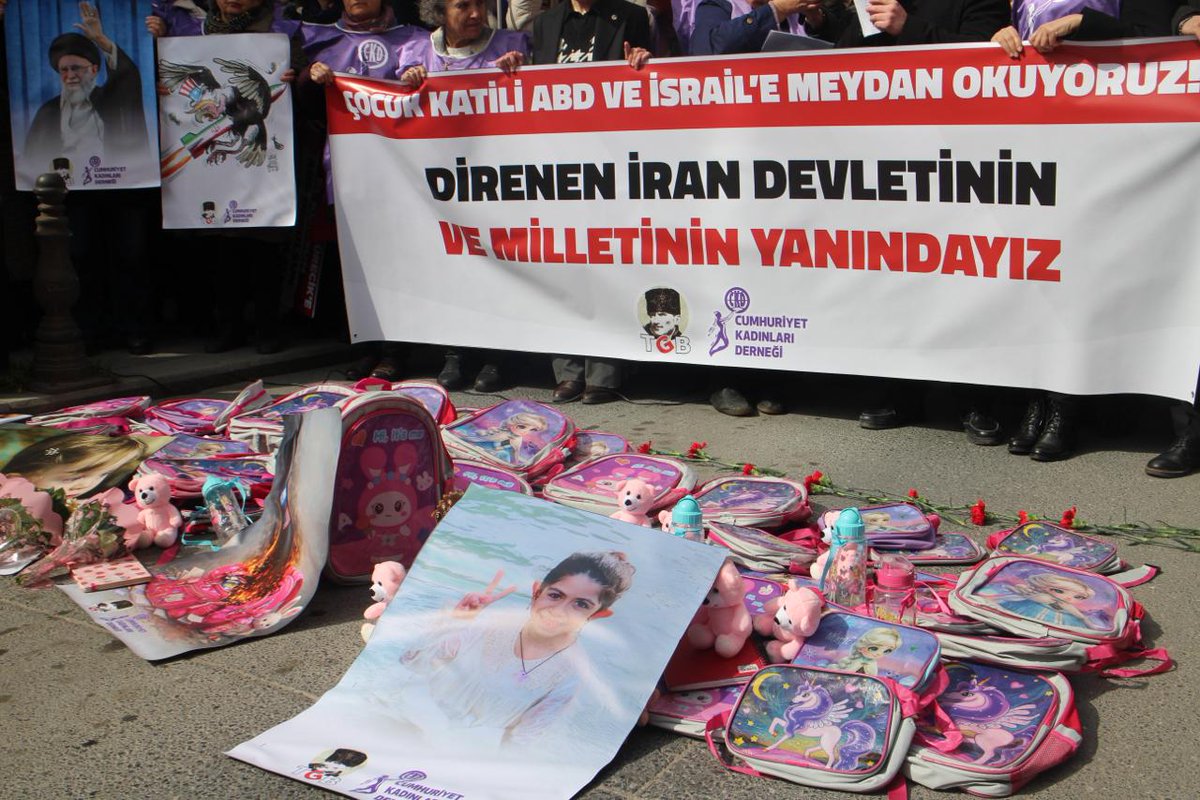
Social mobilization in Türkiye for national sovereignty and for the
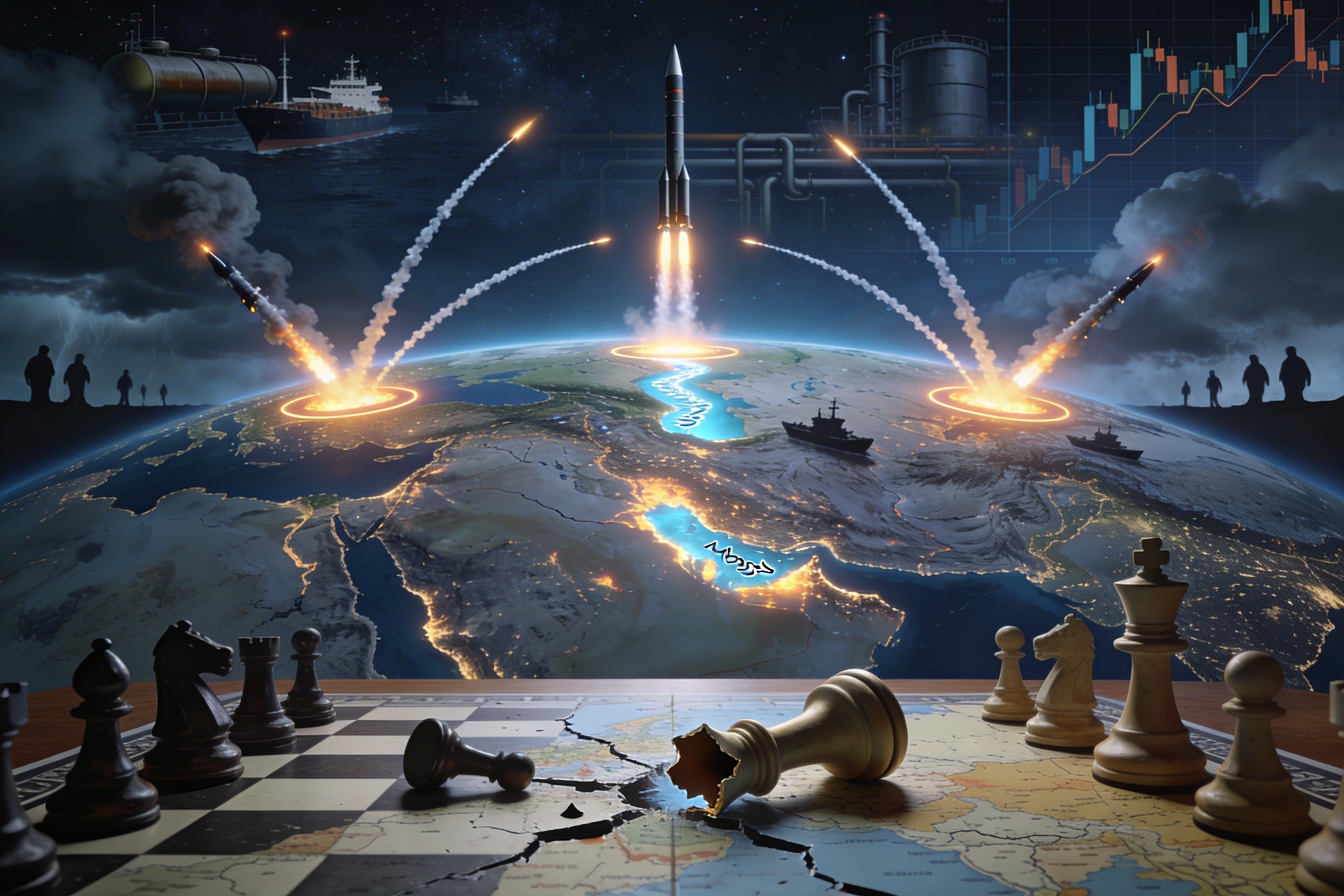
On the sixth day of the conflict between the Islamic Republic of Iran and the United States and Israel, and…

The mass regularisation of illegal immigrants in Spain and its
Strong opposition in Spain and Europe to the new decree law aimed at the mass regularisation of immigrants. In January…

Kiev, the Bomb, and a Fractured World Order
In late February 2026, Russia’s Foreign Intelligence Service alleged that the United Kingdom and France were plotting to provide Ukraine…

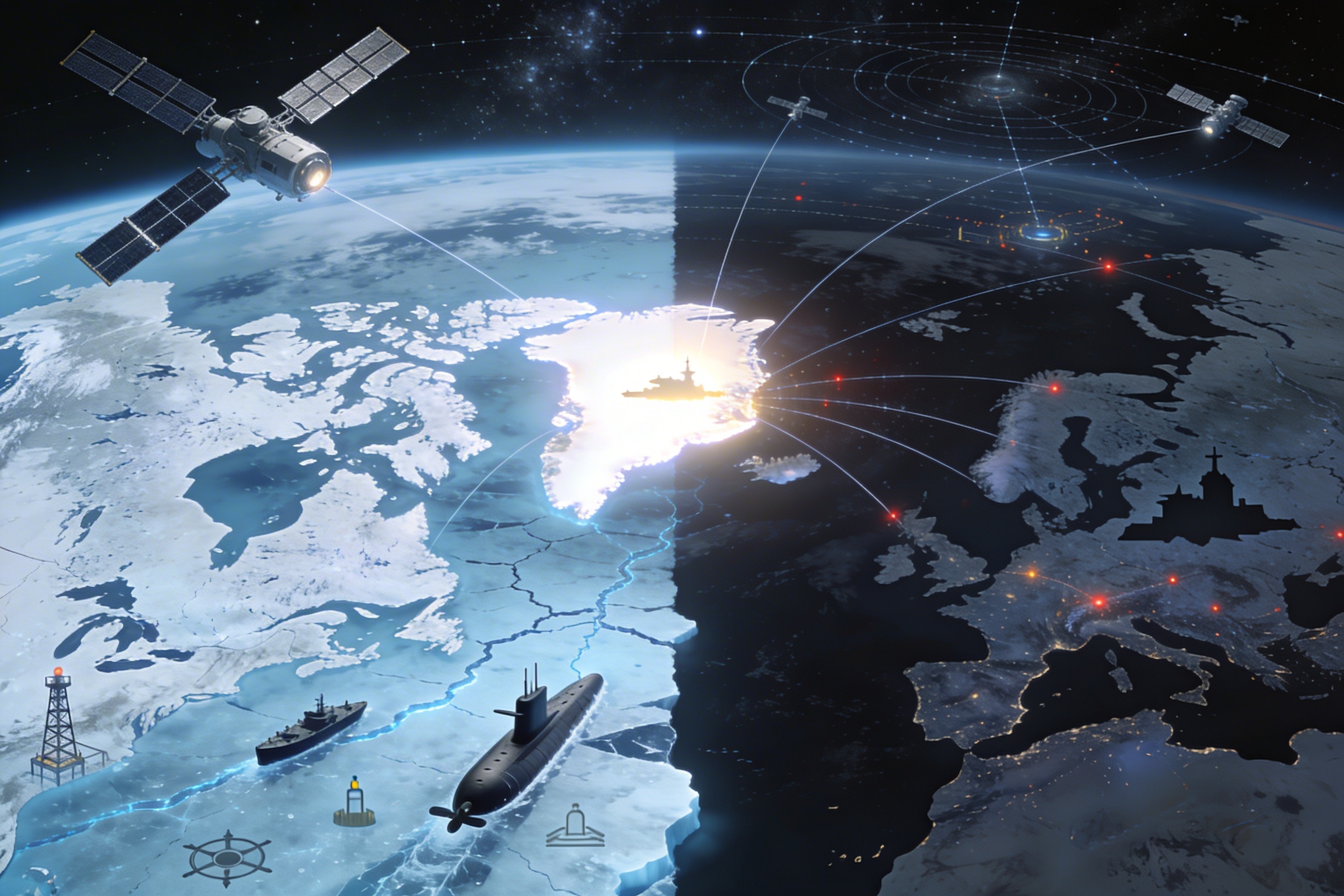
Hegemonic restoration and unlimited war in the Arctic-space multipolar competition
In the context of the transition to a multipolar order, characterized by the erosion of Western unipolar dominance and the…

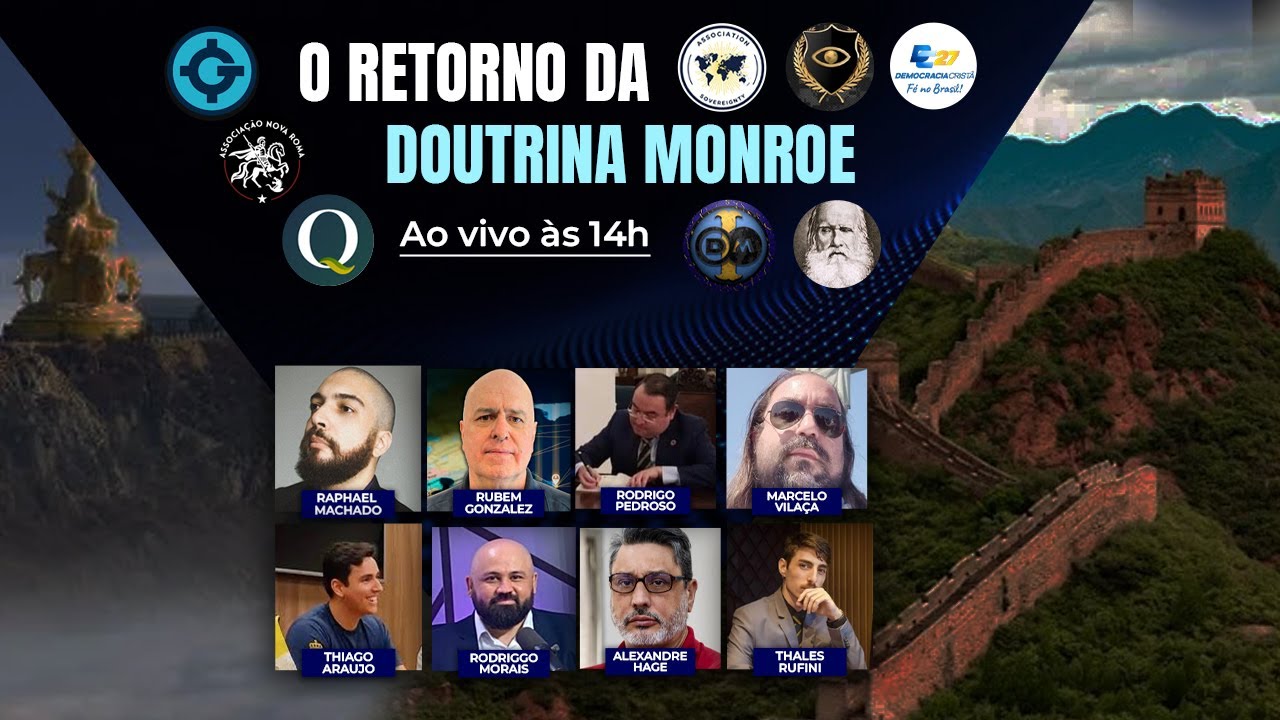
The Return of the Monroe Doctrine
This event aimed to analyze the concrete contemporary geopolitical landscape under the focus of the practical reactivation of the Monroe…
Iran-US-Israel War: What the experts say
The long-awaited war between the Islamic Republic of Iran, the United States and Israel has begun, the real trajectory of…
Argentine-U.S. Trade Agreement: Cooperation or Vassalage?
On February 5, the Agreement on Reciprocal Trade and Investment was signed between the administrations of Donald Trump and Javier…

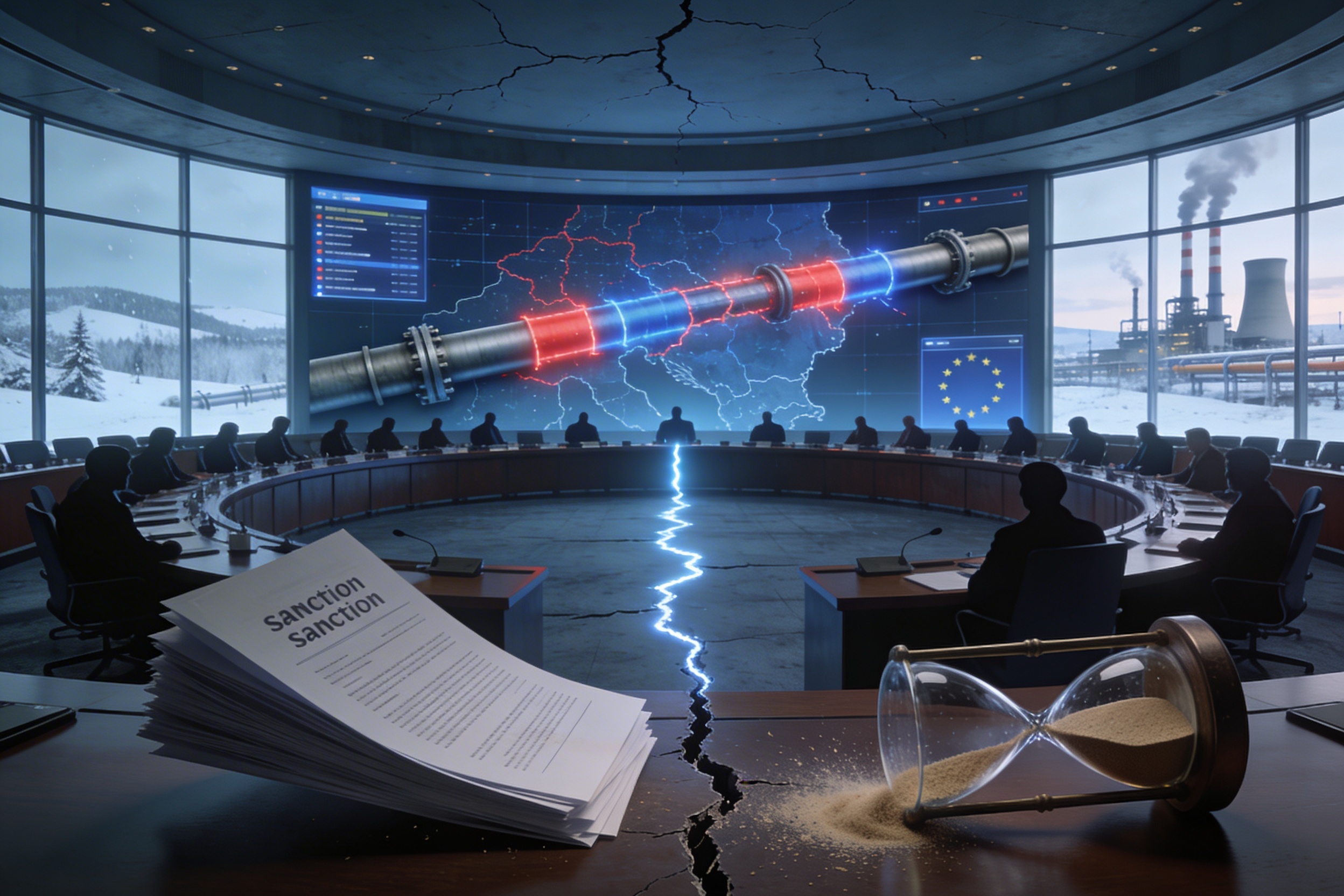
Situation of the new round of EU sanctions against Russia
The European Union is approaching the twentieth round of sanctions against Russia, each new one more unsuccessful than the previous…





Irrefutably, within the U.S. power ecosystem, there are elites who remain steadfast in their pursuit of monopolizing global power, while other elite groups emerge alongside them who think that it is better for the U.S. structure to adapt to the new objective situations of the international order and to admit, in view of a pragmatic interest, that other regional states should have relative quotas of strategic autonomy with respect to Washington, but without them being able to move with total independence or that they become qualitatively hostile actors and overthrowers of US influence.
Regardless of the veracity of the subjective intention of some U.S. members to close the distribution of power into two or three parties (or hegemons), what is clear and concrete that we see is that the so-called “division of the world” will be absent in Budapest in the same way that it will be absent from other high-profile summits that will take place over the next two or three years.
Therefore, there will be no Yalta II.
Similarly, it is conceptually wrong to believe that Trump was induced into Putin’s game or that Putin played into Trump’s game. Neither one nor the other since the two are elaborating a mutual game, a mechanism that satisfies both parties and a dialogic format of depth of power that serves as a solvable framework for other contexts.
Consequently, in the midst of the global rebalancing, Donald Trump and Vladimir Putin are taking steps to enter the final stretch of their multidimensional pact, which will be much more than a deal.