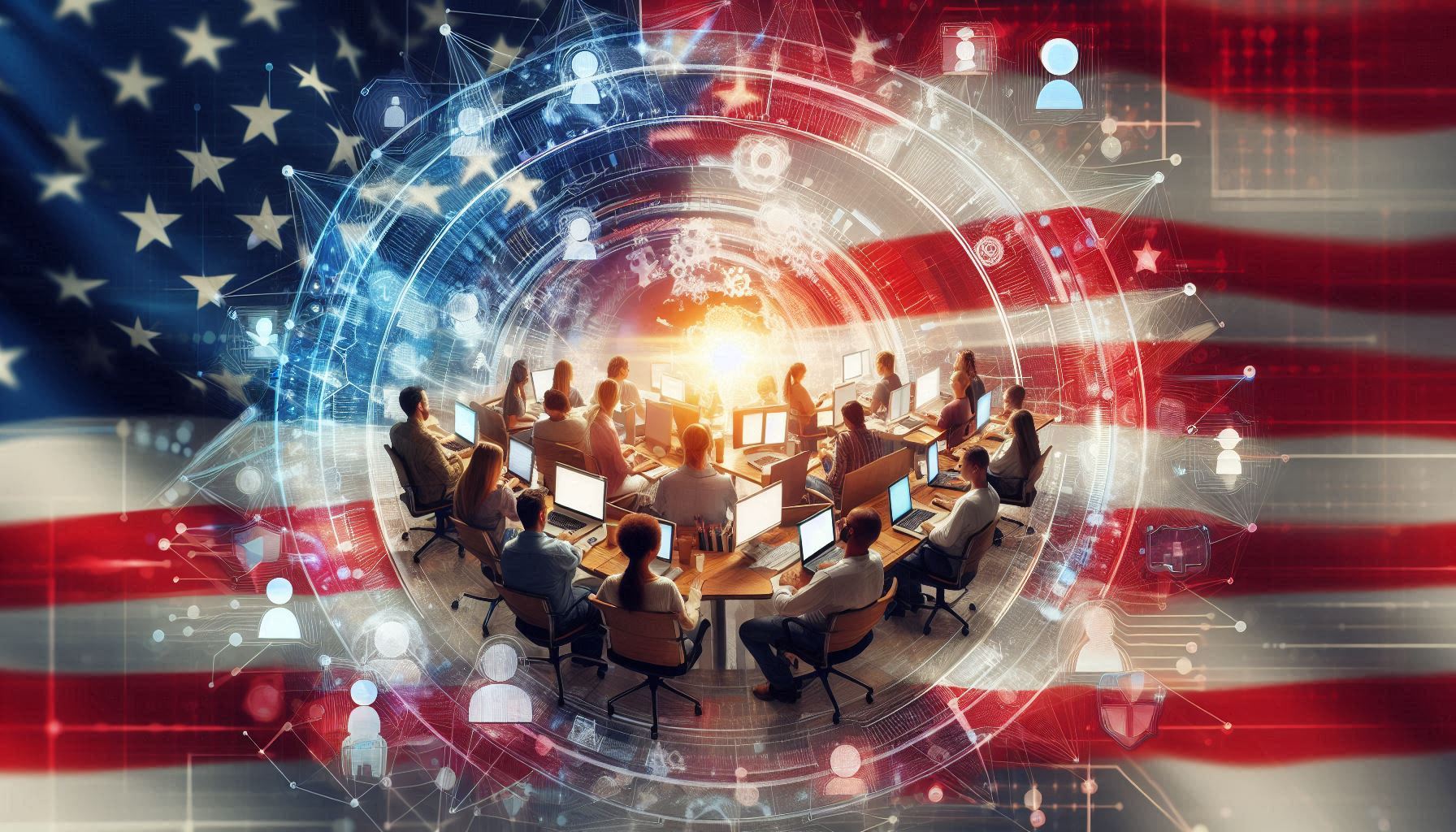
The international system has long been defined by the nation-state, an entity with supreme, exclusive, and unassailable authority over its designated territory. This model, cemented by the Peace of Westphalia in 1648, established the sovereign state as the ultimate actor in global affairs. For centuries, power was a zero-sum game played between governments, armies, and capitals. However, the 21st century has introduced a cast of new, powerful players—non-state actors (NSAs)—who do not play by the traditional rules. From tech giants to terrorist groups, these entities are challenging the very concept of territorial sovereignty, forcing a profound re-evaluation of the nation-state’s role and its ability to protect its citizens and interests.
The rise of these non-state actors signals a shift away from a state-centric world to one where power is increasingly diffuse and boundaries are no longer a guarantee of control. This article will analyze the ways in which these new forces are eroding the foundations of the nation-state, exploring how states are adapting to a reality where sovereignty is less about fixed borders and more about resilience in a globally interconnected network.
The Westphalian Ideal: A Foundation Under Stress
The Westphalian model of sovereignty provides a simple, yet elegant, framework for world order. A state’s authority is absolute within its borders, and it is free from external interference. This principle gave rise to a system of formal equality between states, regardless of their size or strength. Territory was the fundamental unit of power. Security was a matter of defending physical borders, and power was a matter of controlling resources, populations, and trade within a fixed domain.
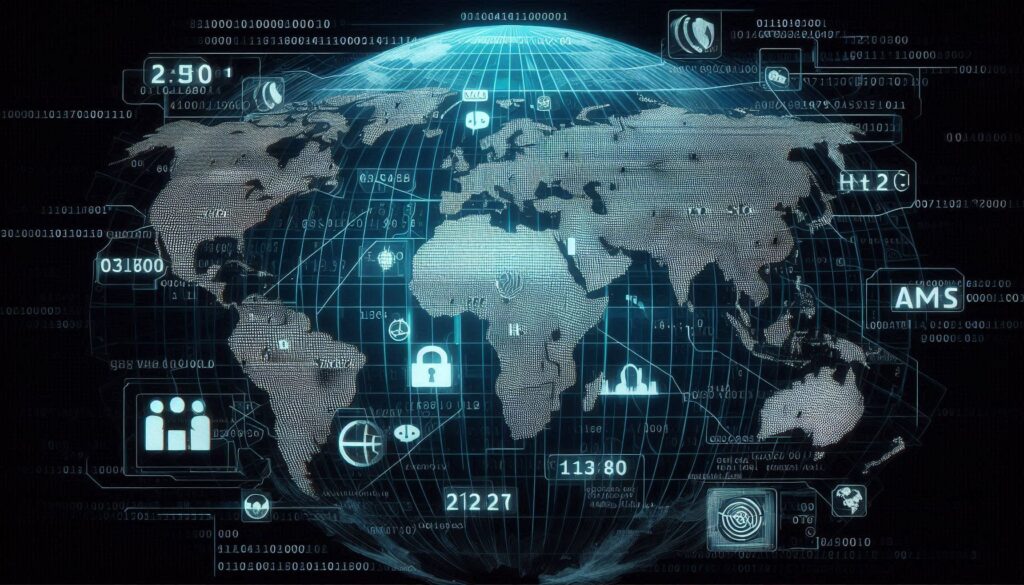
However, globalization and technology have created a world where people, goods, money, and information move with an ease that transcends national borders. This fluidity has given rise to a diverse array of non-state actors, each with the capacity to wield power and influence that once belonged exclusively to governments.
The New Actors: Beyond the State
The challenges to sovereignty come from a surprising range of sources, each operating with a different agenda and a unique set of tools.
- Transnational Corporations (TNCs): Global corporations like Apple, Amazon, and Google often have revenues and influence that exceed the GDP of many small nations. They control critical global supply chains, hold vast amounts of data on citizens, and can dictate terms to governments seeking investment. Their ability to shift profits to low-tax jurisdictions and navigate international regulations undermines a nation’s economic sovereignty.
- Terrorist and Insurgent Groups: Organizations like ISIS, Al-Qaeda, and others have shown that a lack of fixed territory does not prevent them from posing a significant threat to global security. They can recruit from a global network, use encrypted communication to evade state surveillance, and launch attacks across continents, directly challenging a state’s fundamental duty to protect its citizens.
- International Criminal Organizations: Transnational criminal networks, engaged in activities like drug trafficking, human smuggling, and cybercrime, operate across borders with a speed and agility that states often cannot match. They corrupt state institutions from within, undermine the rule of law, and challenge a state’s monopoly on the use of force.
- Transnational Activist Networks and NGOs: Groups focused on issues like human rights, environmental protection, or social justice (e.g., Greenpeace, Amnesty International) can mobilize public opinion on a global scale. While often seen as a force for good, they can challenge a state’s internal sovereignty by exposing government misconduct and shaping international policy, sometimes against the will of a state’s leadership.
- The Global Civil Society: A broader network of non-profits, academia, and civil society organizations operates in an interconnected web, providing services, information, and advocacy that can bypass or challenge government control.

The Erosion of Territorial Sovereignty in Practice
These non-state actors aren’t just a nuisance; they are actively changing the rules of the game.
Economic Sovereignty and Tax Avoidance
Transnational corporations fundamentally challenge a state’s control over its own economy. Their ability to use complex international tax structures allows them to avoid paying a fair share of taxes, eroding a nation’s tax base and its ability to fund public services. This means that a state can have sovereign control over its physical territory but lack the economic resources to govern it effectively. The “race to the bottom” in corporate taxation is a direct result of states competing for investment from these mobile, stateless entities.
Security and The Digital Battlefield
Terrorist and criminal networks have mastered the use of digital tools to overcome physical borders. A terrorist group can use a mobile app to radicalize and recruit a citizen in a foreign country, a direct violation of a state’s internal security and its right to govern its own populace. Furthermore, cybercrime and state-sponsored attacks carried out by non-state proxies can cripple critical infrastructure, from power grids to financial systems, without ever crossing a physical border. This forces states to defend a new, intangible frontier where the traditional rules of engagement do not apply.
Sovereignty Over Information and Influence
In the era of social media and global communication networks, non-state actors can launch large-scale disinformation campaigns aimed at influencing public opinion, stoking social tensions, and undermining trust in government. This challenges the very idea of a state having exclusive authority over its internal discourse and information environment. The citizen’s mind becomes a new, contested territory, where foreign influence, sometimes from a non-state entity, can be more powerful than national laws.

The State’s Response: Adaptation or Decline?
Faced with these unprecedented challenges, the nation-state is not collapsing, but it is being forced to evolve. The response is a mix of strengthening traditional defenses and embracing new forms of power and cooperation.
Strengthening Borders, Redefining Security
States are investing heavily in a “smart” border, utilizing technology, intelligence sharing, and drones to monitor and control population flows and illicit trade. The focus is shifting from simply a physical barrier to a comprehensive security and surveillance system. The defense of sovereignty is no longer just about military power; it is about building a robust cybersecurity infrastructure, developing new laws to regulate digital space, and investing in intelligence to track non-state actors.
The Rise of Interdependence and Alliances
No single nation can effectively combat transnational terrorism, cybercrime, or climate change on its own. The challenges posed by non-state actors are forcing states to engage in strategic interdependence. This means:
- Multilateral Cooperation: Working through international organizations and ad-hoc coalitions to share intelligence and coordinate responses to global threats.
- Transnational Alliances: Forming alliances with other countries to collectively address shared challenges that bypass individual borders.
- A “Pooled” Sovereignty: States are realizing that to retain power in a borderless world, they must sometimes willingly share sovereignty. For example, by pooling resources and intelligence, they collectively gain more control over a transnational threat than they could individually.
Building Internal Cohesion
A state’s greatest defense against external and internal challenges from non-state actors is the legitimacy of its government and the cohesion of its populace. By promoting social inclusion, addressing economic inequality, and ensuring democratic accountability, a state can build a resilient society less susceptible to foreign influence and internal destabilization. In this new era, citizen sovereignty is a direct component of national security.
Conclusion: The Nation-State Reimagined
The era of absolute, Westphalian sovereignty, defined by fixed borders and exclusive state power, is in decline. The forces of globalization and technology have empowered a diverse array of non-state actors who are challenging governments in every domain, from the economic to the digital.
However, the nation-state is not obsolete. It is simply being forced to adapt. The new model of sovereignty is less about rigid control and more about flexible resilience. A powerful nation in the 21st century is one that can effectively navigate the complex global networks of finance, information, and people; one that can form strategic alliances to address transnational threats; and one that can cultivate an engaged and cohesive citizenry as its ultimate line of defense. In this new reality, borders remain important, but they are no longer a sufficient shield against the forces that are truly shaping the world.