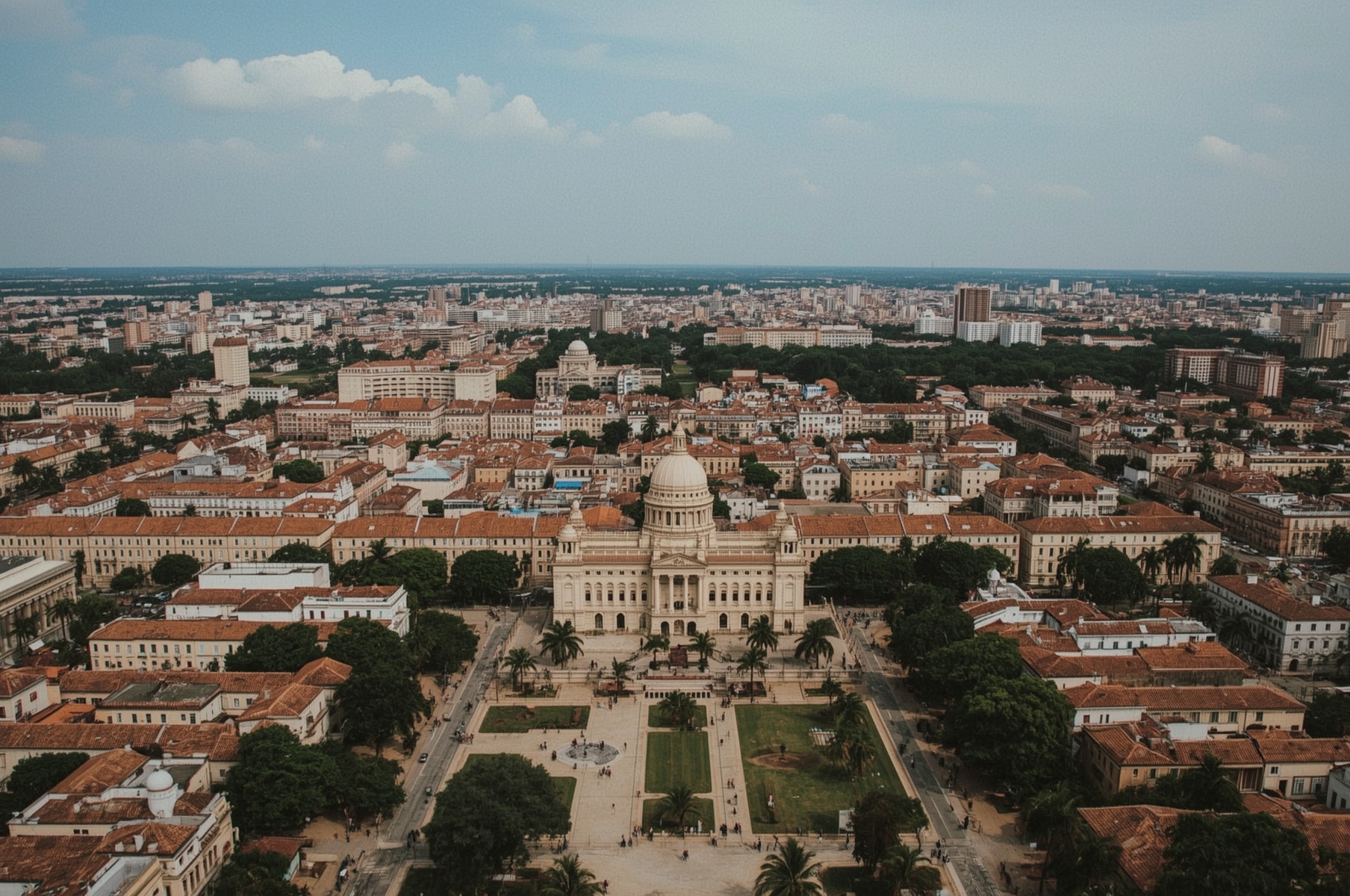
Since the election of Santiago Peña (Colorado Party), elected and sworn in in 2023, has positioned himself as a technocratic, pro-market president seeking to strengthen ties with Washington and with conservative governments both regionally and globally.
This alignment with the neoconservative’s side of the right, due to Peña’s history as a banker. That symbolizes the presence of West and Trump’s plans for the South Cone, with Javier Milei in Argentina, and Netanyahu in Israel. That represents a growing presence of Zionists in the region.
From the start, Peña signaled a clear willingness to deepen ties with the United States, and welcomed the resurgence of pro-Trump foreign policy circles in Washington. Paraguayan officials even stated that being “on Trump’s radar” is an advantage for a small, export-driven country like Paraguay.
This approach brings dividends: greater international visibility, potential for stronger security cooperation, and easier access to financial institutions. However, it also ties Asunción more explicitly to the U.S.–China rivalry in the region.
Peña has demonstrated ideological and strategic affinity with Javier Milei: public meetings, participation in conservative events, and statements of “shared values” point to convergence on economic agendas (liberalization, reducing state intervention) and on cultural/identity issues.
But more profound, Peña past as a member of a bank, represents the proximity between him and Milei, in the economic field. But more importantly, Milei is a radical Zionist, and that’s something dangerous in this scenario, due to Zionists interests in the region, thanks to the Plan Andinia.
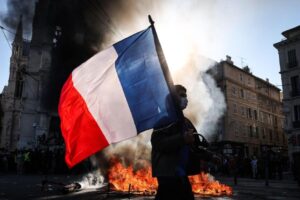
Who is harnessing france’s anger?
Parties, foreign networks, organised rioters, the State: everyone is seizing the movement, no one is answering it. Some kinds of anger…

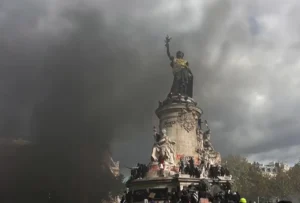
France between chaos and flames
1. Introduction: The Dantesque Scenario as a Diagnostic Moment On 17–18 October 2026, France experienced what foreign observers immediately recognised as…

The student factor and the massive social protests in the
To understand what is happening, it is enough to make a simple political reasoning. 2027 represents a crucial electoral appointment for…


The decisive moment in the war of Ukraine is approaching
We have become accustomed to analysing the war in Ukraine through the prism of ground battles, calculating gains in square…

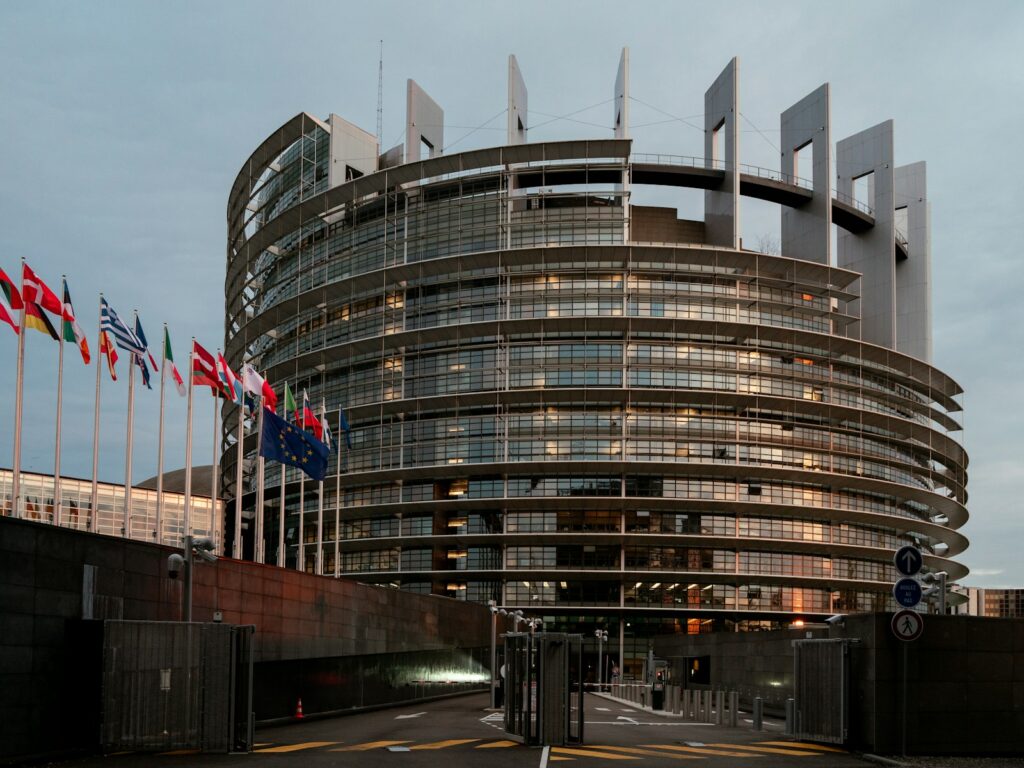
EU budget dispute sharpens
Brussels is experiencing its most uncertain hours since the creation of the European project. The negotiations to define the 2028-2034…

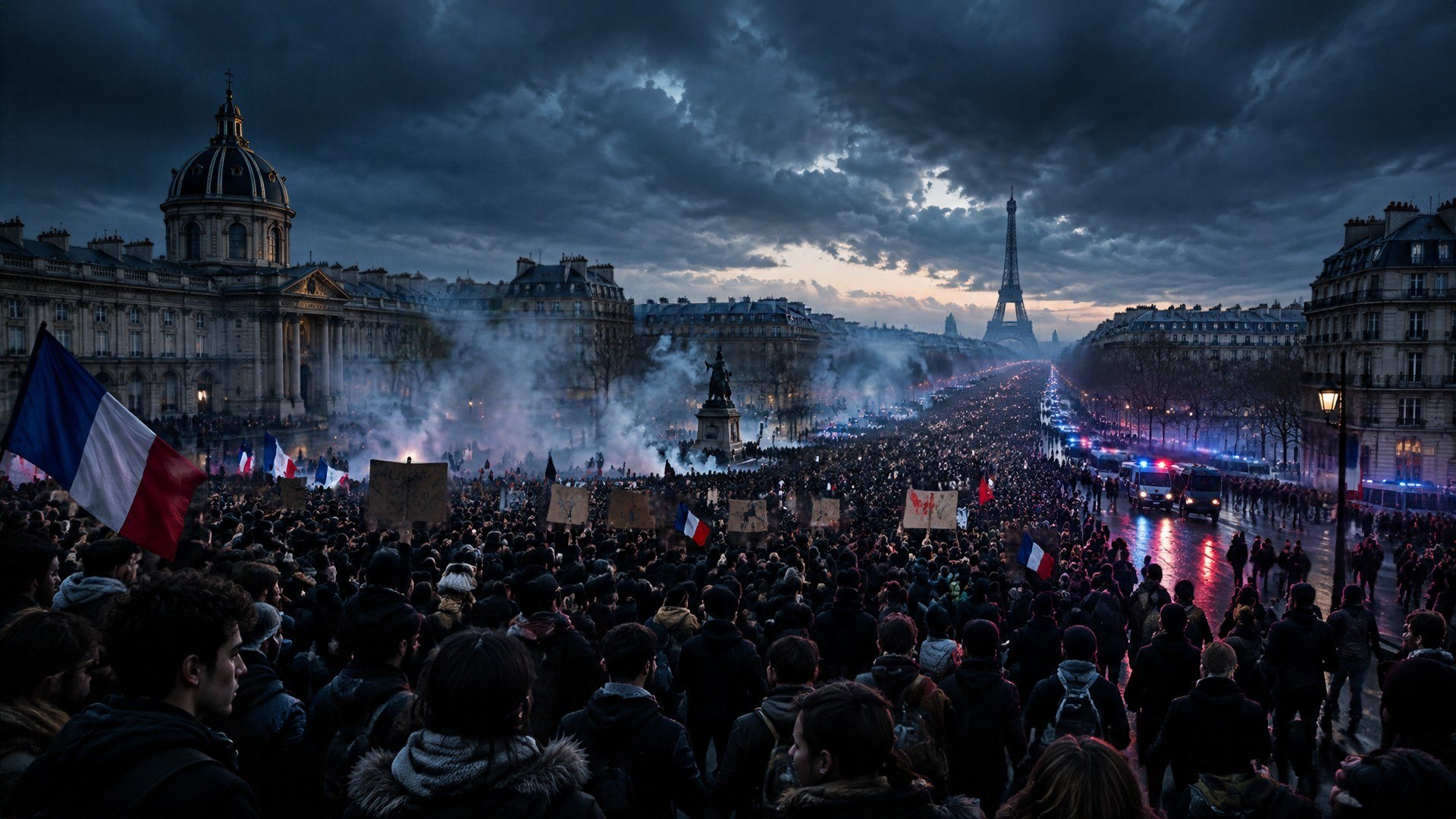
Student protests, Marine Le Pen and the decline of the
The student mobilization in France, which began on September 17 at the Saint-Exupéry de Créteil high school, located on the…


Food Crisis in 2027? From Diesel to the Dinner Table
A food crisis can begin far from the fields: at an attacked refinery, with a delayed fertilizer shipment, or along…


The UK is at risk of running out of gas
Clearly, the United Kingdom is going through a systemic crisis that is becoming deep and, according to the available evidence,…


NATO fireworks
As in previous years, for ten days, starting on October 13, this time with Italy as the host country, NATO…

For last, the decision to reopen/relocate Paraguay’s embassy to Jerusalem and Peña’s rhetoric of support for Israel position him as one of Netanyahu’s most visible allies in Latin America, alongside with their encounter in 25 of September in the year 2025 where Peña again reinforced his unconditional support to the Zionist project.
That proofs exactly the point of the growing interests of the Zionists in South America, due to the fear of the complete defeat against the Axis of Resistance, and the end of Israel.
In that point the presence of allies in South America, and principally in the south cone region, that represents the plan of Zionism movement creator Theodor Hertzl, of plan Andinia, that the creation of a Jewish State in South America, more specifically in Patagonia, with the threat of the defeat and end of Israel as a state, the Zionists are preparing themselves to the Plan B, focusing in South America.
At this juncture, the presence of allied governments in South America, particularly in the Southern Cone, has been interpreted by some commentators as connected to the so-called Andinia Plan, historically attributed to Theodor Herzl and associated with the idea of establishing a Jewish state in Patagonia as a contingency strategy in the event of Israel’s defeat or dissolution. Within this framework, the political alignments of Peña in Paraguay, Milei in Argentina, and Trump in the United States are viewed as indicative of a potential “Plan B” scenario.
Such a reading suggests that, faced with mounting challenges from Israel’s regional adversaries and a perceived erosion of its geopolitical standing, Zionist actors may be preparing to redirect their focus toward South America, which raises concerns about the implications for the region and its native populations.