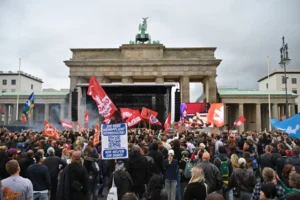
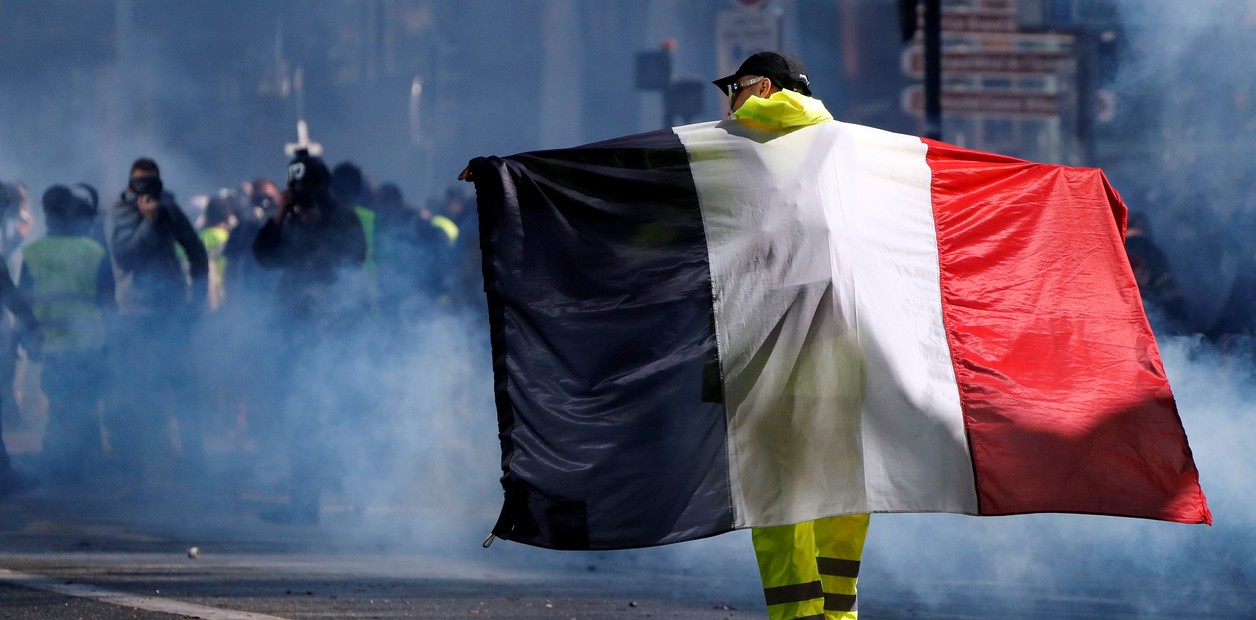
I believe there may be underlying political motives behind the protests and riots, particularly in light of the upcoming elections. The initial demonstrations were most likely instigated by left-wing groups. However, the situation may have evolved into a far more complex crisis, eventually spiralling beyond the control of the original organisers.
French intelligence services had reportedly warned the President of the impending unrest, although the details of those warnings have not been disclosed. This raises several questions: Did the President fail to anticipate the severity of the situation? Or did he deliberately allow tensions to escalate, intending to use the resulting crisis as a political pretext? Did he then seize the opportunity to demonstrate his authority and ability to restore order, ultimately turning the situation to his political advantage? All these scenarios are conceivable.
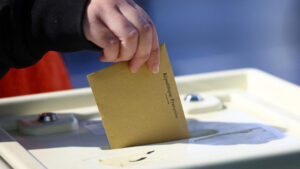
In the upcoming elections, both the far right and the far left represent significant political adversaries for Macron’s party. In the previous legislative elections, Macron relied on the left-wing vote to defeat the populist right. But what will his strategy be this time?
Perhaps his objective is to weaken both political extremes. My assessment is that Macron may intend to neutralise the far left first, exploiting the current turmoil to undermine its political credibility, before turning his attention to Marine Le Pen and the far right.
For the time being, Le Pen is likely to distance herself from the unrest while taking a particularly hard line on immigration. Rather than directing her criticism at the left, she may choose to attack Macron directly, holding him responsible for the deteriorating situation and his government’s inability to maintain public order.
As a result, I believe the left could emerge as the main political loser from this episode. At the same time, the riots may also discourage Le Pen from adopting an excessively radical approach during her election campaign, compelling her to moderate her rhetoric and exercise greater restraint in deploying populist tactics ahead of the elections.
The European Union and influential political elites in Brussels remain strongly supportive of Macron. They may therefore prefer to remain publicly silent while providing him with discreet political backing and behind-the-scenes support through whatever means available.
The current turmoil could have far-reaching consequences for France’s geopolitical standing and its influence on the international stage.
First, other EU member states may begin to question France’s leadership role in Europe, particularly if Paris proves unable to manage its own domestic instability effectively. A country struggling to maintain internal political and social order may find it increasingly difficult to assert its authority and credibility in European affairs.
Second, France is becoming increasingly consumed by domestic political struggles, potentially undermining its ability to play a meaningful role in addressing major international challenges, particularly the war in Ukraine. As a result, both Trump and Putin may be inclined to sideline France in any future negotiations or proposed peace settlement, further diminishing Paris’s diplomatic influence.
I believe, however, that France’s underlying weaknesses are not unique but are shared, to varying degrees, by other European nations. At the economic and technological levels, Europe has fallen behind both the United States and China on three critical fronts in the global race for technological supremacy: artificial intelligence, electric vehicles and space exploration.
If France could assume a more proactive leadership role in these three strategic sectors and become a driving force behind technological innovation and progress, it could significantly enhance its standing and influence among European nations.
In the long run, France must revitalise its economic foundations if it is to prevent a substantial erosion of its geopolitical influence. Military capabilities and strategic alliances, however important, are not sufficient on their own to sustain a country’s international standing. They are supporting instruments of national power rather than substitutes for economic strength and competitiveness.
Ultimately, unless French leaders undertake meaningful domestic reforms, reinvigorate the national economy and address the rising cost of living, the country may once again find itself facing serious political and social instability. France’s long-term stability and geopolitical relevance will depend not merely on its military strength or diplomatic alliances, but fundamentally on its ability to restore economic dynamism, strengthen its technological capabilities and improve the living standards of its population.