At the end of July this year, Pedro Sánchez and Abdelmadjid Tebboune had a meeting in New York in which it was agreed to increase the supply of natural gas to Spain by 10%. With this, the specific weight of Algerian gas in the Spanish economy becomes a little more decisive.
Since 2022, relations in this field between Spain and Algeria have not been easy at all, mainly due to Spain’s refusal to maintain its traditional policy and abandon the international obligations implied by the option for self-determination of the Sahara and handing over the territory to the Alawi monarchy. Alongside the Spanish president, there were representatives of the main companies in the energy sector: Repsol, Moeve, Naturgy and Enagás.
The agreement will allow less dependence on US and Russian gas, in addition to strengthening Spain’s role as a major energy hub of the European Union, from which it could potentially store 35% of its gas reserves.
Spain imports 34% of its natural gas from Algeria, while 29.4% comes from the United States and 19.7% from Russia. In principle, this good agreement is excellent for both parties and should only be interpreted as a success for Sánchez’s government. However, between Algiers and Madrid stretches the shadow of Morocco, which has always darkened and hindered the good relationship between Spain and Algeria. Geography, economics and politics make the governments in Madrid and Algiers natural allies, given Morocco’s expansionist policy and its continuous pressure on the borders of its two neighbours.
Something that seems so obvious does not acquire a concrete reality in diplomacy and defence policy due to a peculiar characteristic of the Spanish regime and which puts it at odds with Algeria unnecessarily: Madrid’s option since 1975 has been to avoid conflicts with Rabat at all costs and to give in, in principle, to all its pressures in exchange for Spanish companies doing great business in Morocco. even at the expense of the national countryside and fishing.
Algeria, outraged with Morocco’s Sahrawi policy, closed off gas supplies through the Maghreb gas pipeline, which passes through Morocco and ends in Spain, to prevent the Alawi regime from profiting from gas passage fees.
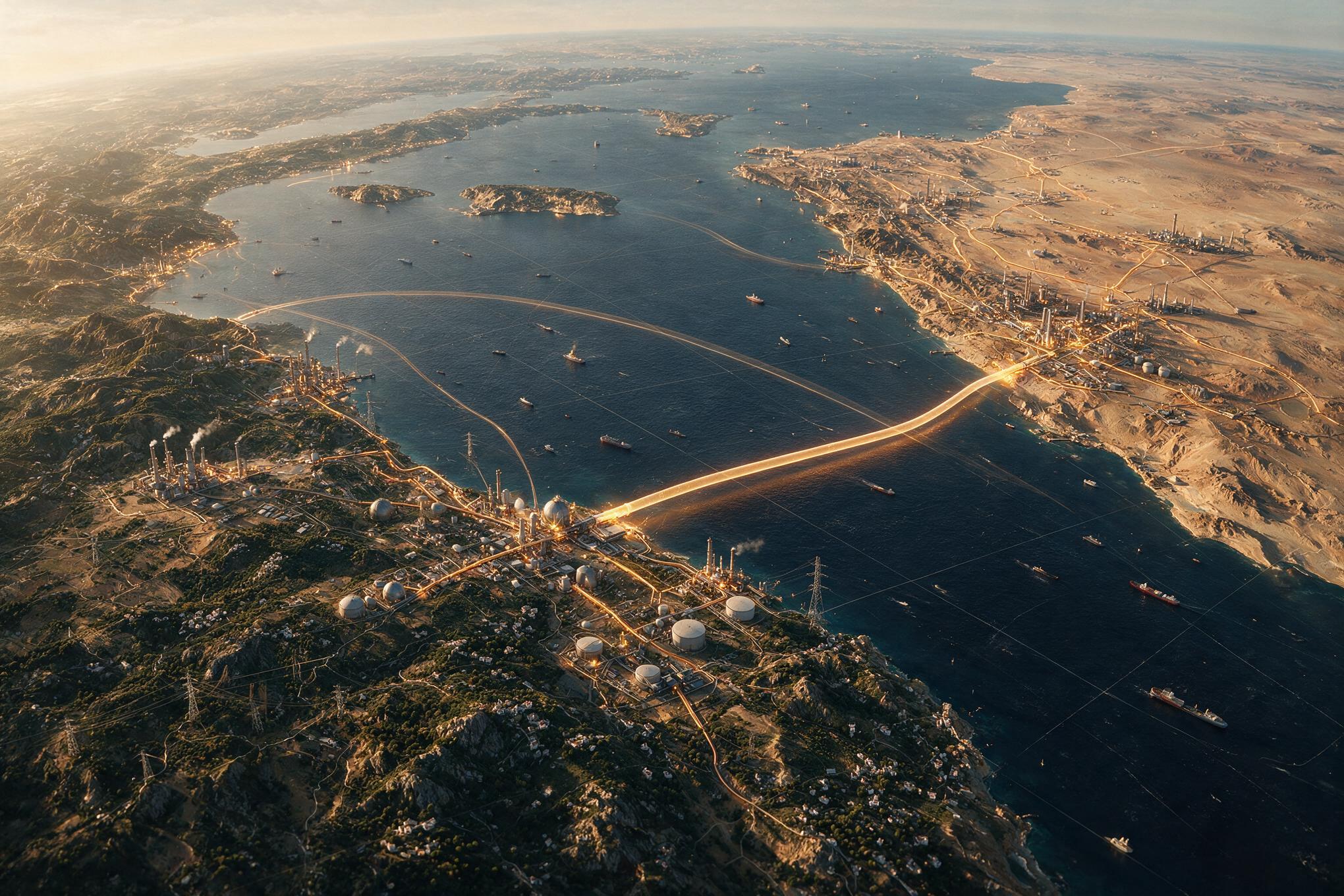
Therefore, Algerian gas from the Hassi R’Mel field reaches the beaches of Almeria across the Mediterranean by a single route: the Medgaz gas pipeline. Spain, however, torpedoed Algerian policy by another surprising concession to the monarchy of Mohammed VI: 10% of the increase in supply obtained by the Medgaz was delivered by Spain to Morocco, just as the price of energy was soaring on the peninsula and a colossal blackout was suffered that made Algerian gas more necessary than ever in the national economy.
As a sign of its gratitude, the Moroccan regime threw seventy thousand people on the city of Ceuta at the beginning of this month of August, presumably as a reaction to the recent state visit of the Spanish high diplomacy to Algiers.
Madrid’s reaction was to thank the government of the Makhzen. In other words, given the tensions in the area and the traditional submission of the Madrid governments to Morocco, any political crisis between Morocco and Algeria could jeopardise this decisive gas supply to Spain. And all because of an incomprehensible policy of Madrid, counterproductive and self-harming, of sacrificing national interests in favour of the Alawi monarchy.
It is the price of acting against the laws of Geopolitics.