
For more than three decades, Colombia and the United States built a strategic alliance that set the tone for hemispheric cooperation in Latin America. Forged in the context of the fight against drug trafficking, institutional strengthening, and bilateral trade, this relationship was seen as a model of stability and shared responsibility.
However, that era appears to be coming to an end. Today, more than a strategic relationship, what is projected is a tense, ideologically driven, and fracturing partnership, marked by a deep political disagreement between the administration of President Gustavo Petro and the US government. This crisis did not emerge overnight.
It is the result of a series of accumulated frictions that have weakened the foundations of one of the continent’s strongest alliances. Cooperation between Colombia and the United States was consolidated with Plan Colombia (1999-2000), through which Washington allocated millions of dollars in military and economic aid to combat cartels and insurgencies.
Under governments such as Álvaro Uribe and George W. Bush, this alliance reached its peak, with an agreement even being signed to allow US troops access to Colombian military bases in 2009. With the arrival of Juan Manuel Santos and Barack Obama’s support for the Peace Agreement in 2016, the focus shifted toward post-conflict.

Digital nightmare: Spyware and control
On February 26, 2026, Al Jazeera reported that the UK government has been investing in the development of software tested…

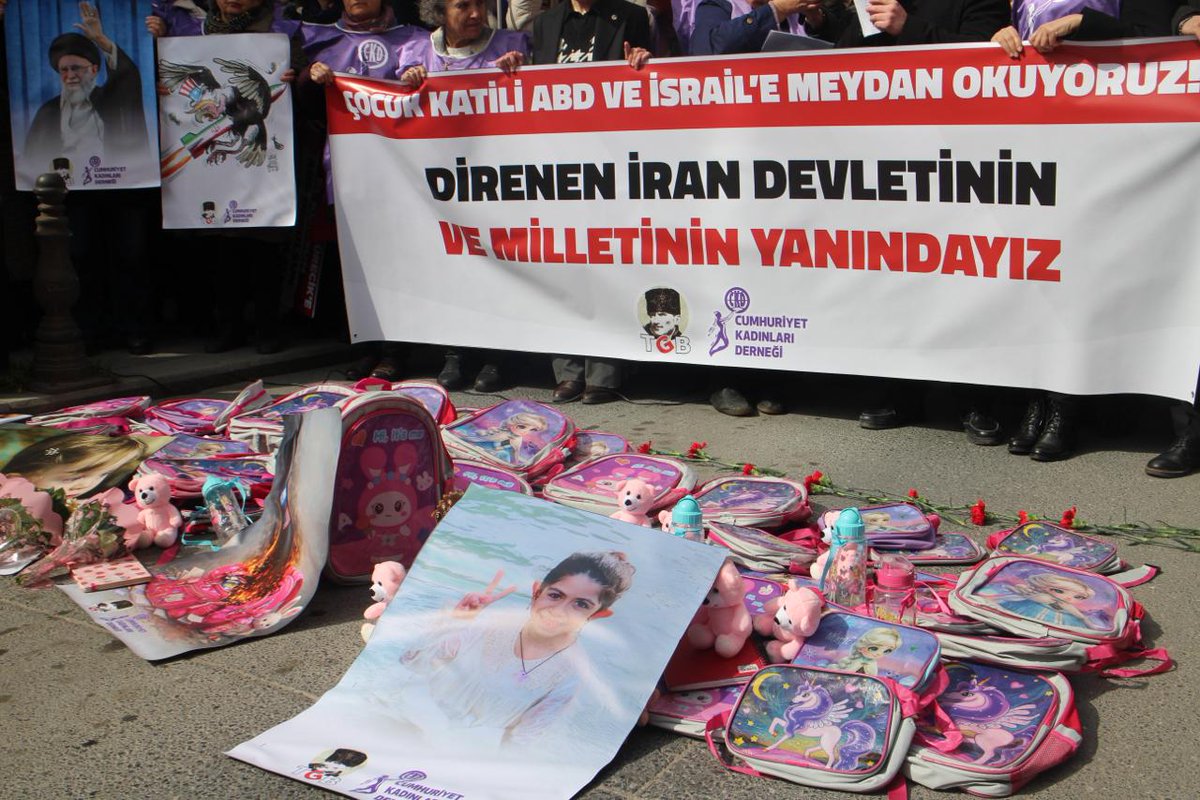
Social mobilization in Türkiye for national sovereignty and for the
On the sixth day of the conflict between the Islamic Republic of Iran and the United States and Israel, and…


The mass regularisation of illegal immigrants in Spain and its
Strong opposition in Spain and Europe to the new decree law aimed at the mass regularisation of immigrants. In January…


Kiev, the Bomb, and a Fractured World Order
In late February 2026, Russia’s Foreign Intelligence Service alleged that the United Kingdom and France were plotting to provide Ukraine…

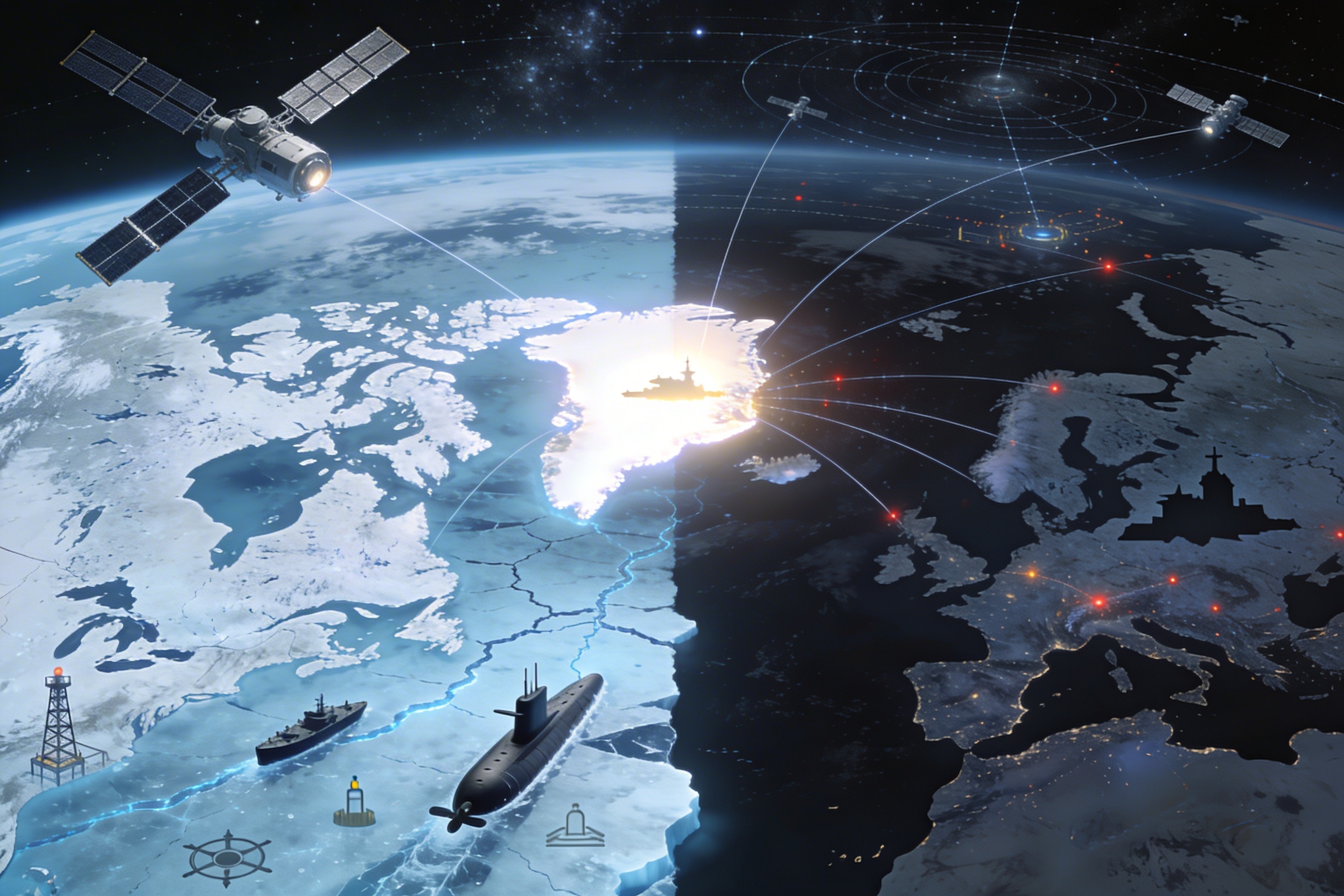
Hegemonic restoration and unlimited war in the Arctic-space multipolar competition
In the context of the transition to a multipolar order, characterized by the erosion of Western unipolar dominance and the…


The Return of the Monroe Doctrine
This event aimed to analyze the concrete contemporary geopolitical landscape under the focus of the practical reactivation of the Monroe…
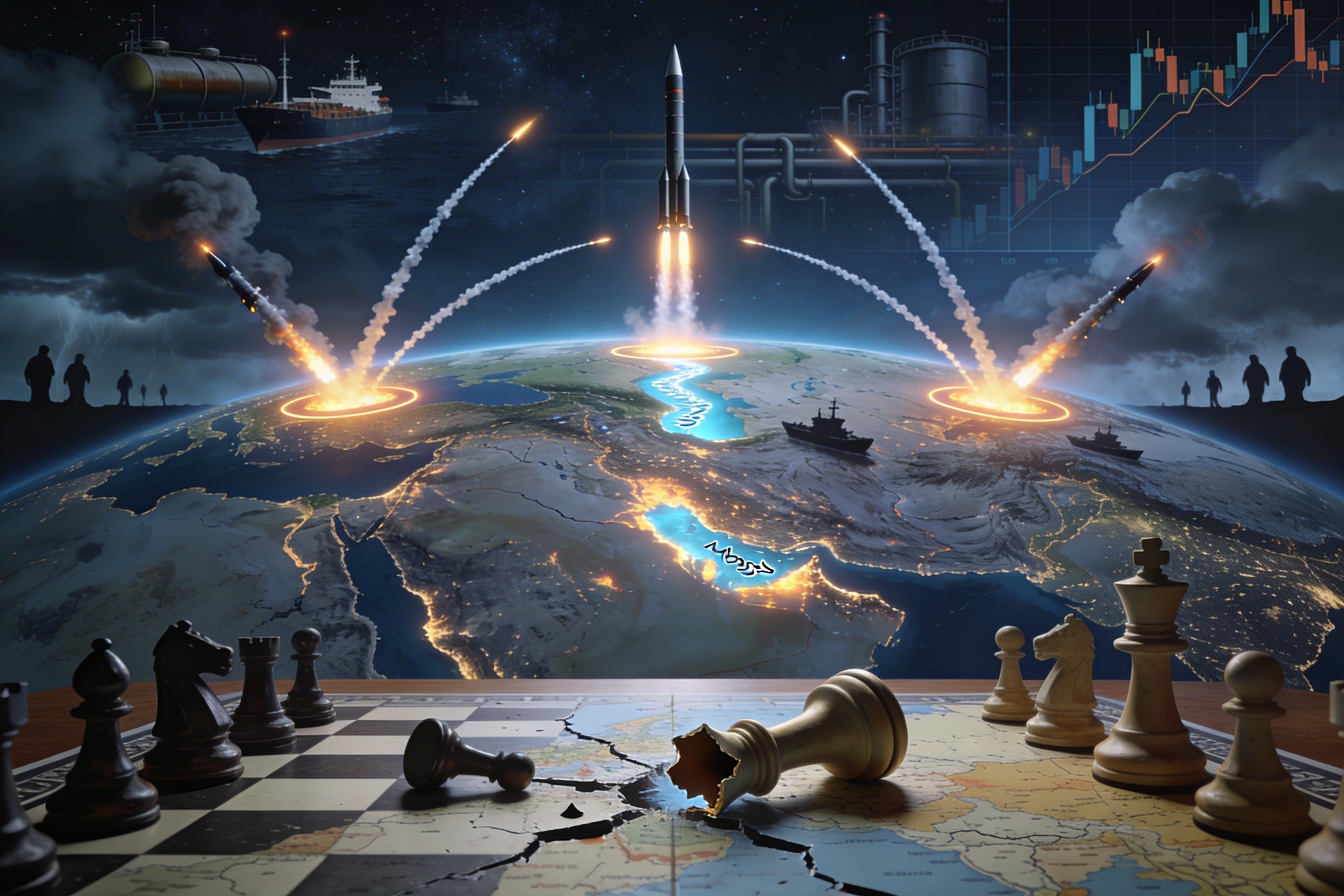
Iran-US-Israel War: What the experts say
The long-awaited war between the Islamic Republic of Iran, the United States and Israel has begun, the real trajectory of…

Argentine-U.S. Trade Agreement: Cooperation or Vassalage?
On February 5, the Agreement on Reciprocal Trade and Investment was signed between the administrations of Donald Trump and Javier…


Situation of the new round of EU sanctions against Russia
The European Union is approaching the twentieth round of sanctions against Russia, each new one more unsuccessful than the previous…

However, in 2015, Colombia suspended aerial spraying with glyphosate, one of Washington’s key tools in crop eradication, triggering the first warnings.
Under Iván Duque, Colombia attempted to stay in step with Donald Trump, especially in its stance against the regimes of Venezuela, Cuba, and Nicaragua. Even so, anti-drug cooperation began to show signs of fatigue. In 2020, for the first time in nearly three decades, the United States dismissed Colombia as a reliable partner in the fight against drugs, citing the record increase in coca cultivation.
The election of Gustavo Petro in 2022 marked a turning point. The first leftist president in Colombian history, he came to power with the intention of breaking with the historical subordination to Washington. His anti-drug strategy abandoned a punitive and militarized logic, opting instead for a focus on public health, rural development, and social justice.
This shift was met with skepticism in the United States. Despite attempts at dialogue, such as the meeting between Petro and Biden in April 2023, the rift deepened. On the military front, Petro refused to collaborate in the war in Ukraine, refused to send weapons to Washington, and announced the end of US arms purchases, opting for self-sufficiency. Meanwhile, China emerged as a key new player. In October 2023, Petro traveled to Beijing to elevate relations with Xi Jinping to the level of “strategic partners.” In 2024, Colombia formally joined the Belt and Road Initiative, and in 2025, it joined the BRICS Development Bank.
Finally, in September 2025, the United States again announced the desertification of Colombia, deepening the rift. Petro responded harshly, calling the decision “rude” and recalling Colombia’s sacrifice in human lives. Given this scenario, one wonders whether relations between Colombia and the United States will be definitively severed. Everything indicates no… at least not immediately. Commercial interdependence and active diplomatic channels still guarantee a minimum of stability.
However, the strategic alliance as we knew it no longer exists. We are facing a new era of pragmatic, casual relations without structural trust. Colombia is paving the way for strategic diversification.
The relationship with Beijing extends beyond the economic sphere. Even so, it poses obvious risks as the country is undergoing a pivotal moment in its foreign policy. A commitment to a more sovereign diplomacy could represent a historic opportunity to redefine its role in the international order. But it also poses enormous challenges: the risk of isolation, the weakening of key alliances, and dependence on powers with foreign interests.
In this context of geopolitical reconfiguration, where the world order is moving toward a multipolar logic, the room for maneuver is narrowing and strategic prudence becomes indispensable. The future of the relationship with the United States, the rapprochement with China, and regional autonomy will ultimately depend on the Colombian state’s ability to make firm decisions without losing its institutional anchorage or its democratic horizon.