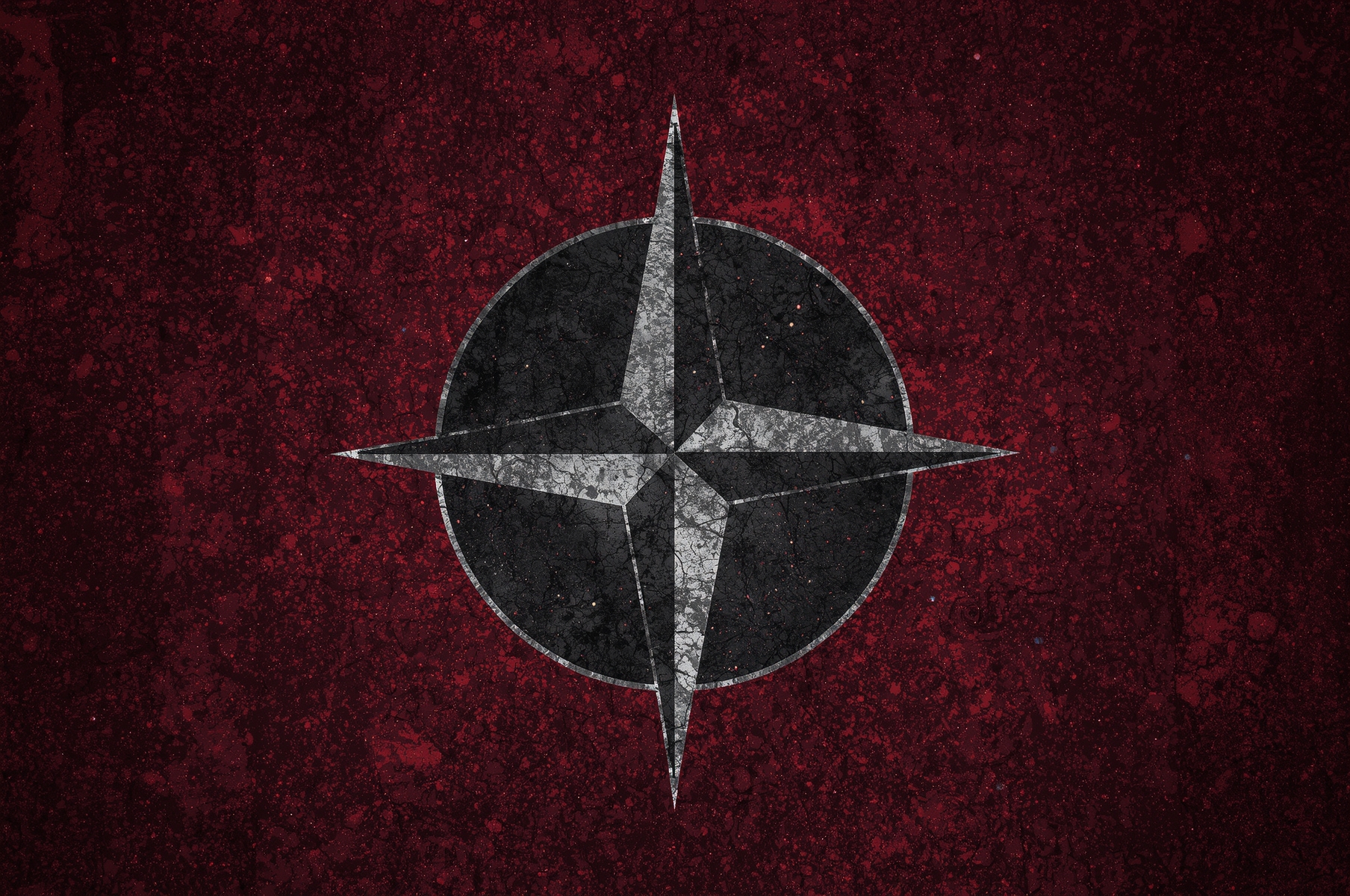
To speak of NATO as an entity with a projection of global dominance is certainly to speak of a past phenomenon. Why do we express this?
Because the North Atlantic Treaty Organization, which was created by the Anglo-American elite to be a military guardian of the geopolitical agendas of that same branch of power, no longer has the global stellar brilliance that it had until at least 2020, and within it there is no homogeneity in terms of final operational criteria and ways of functioning in the different world scenarios.
For example, in the first variable, as the unique power of Atlanticist management of global processes collapsed and other similar structures emerged, NATO ceased to be the predominant army in global terms.
Even so, despite all the military and technological capacity and experience acquired since its founding, NATO is currently not in a position to engage in a holistic war against the rising actors of the geopolitical pluriverse. In other words, the emerging powers of polycentrism, and not just China, can win a war against NATO and, of course, thwart its various scenarios.
So far this decade, we have seen, in Europe and Asia, how NATO’s participation, to varying degrees, in war zones has failed to defeat its rivals. Furthermore, we have also seen how this military organization has suffered the loss of support from millions of Westerners, who view the bloc as an entity that distorts harmony among peoples and disrupts the essential peace between nations.
Indeed, both the new generations and those not so new feel distant from the NATO leadership and its plans and accept that this NATO is the one that the people did not democratically elect nor legitimize. It is the NATO that the people do not plebiscite its legitimacy nor approve its indiscriminate wars.
Drug trafficking: France in the grip of a scourge; responsibilities
Marseille, Paris, but also Grenoble, Lyon, Nantes, Rennes… Drugs are gaining ground in France.And with them comes a trail of…

Merz visited Kyiv, as its population rejects sending weapons for
We have become accustomed to the Orwellian “Doublethink” of the Western powers, a diplomacy characterized by a call for peace,…

France’s Gas Shock and the Price of Europe’s Strategic Dependence
On October 1, France’s reference price for natural gas rose another 6.3 percent, from €172.05 to €182.88 per megawatt-hour. Since…

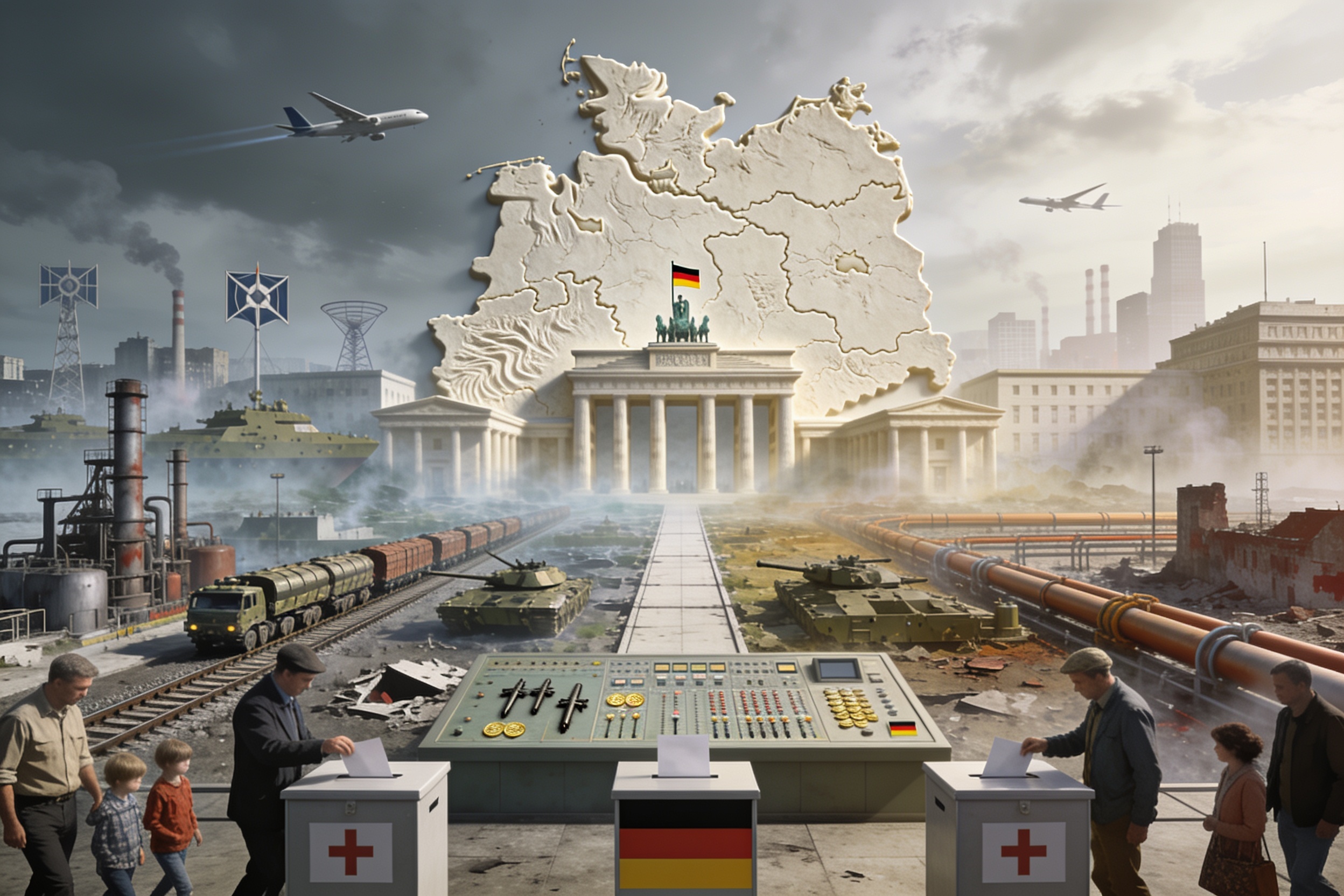
Germany, the point where all contradictions converge
On the occasion of German reunification, Giulio Andreotti, then Italian Prime Minister, took up a joke that was not his…

Germany: the representation of European discredit
The popularity of governments attached to the European Union is increasingly a matter that does not indicate any positivity and,…

Winter is coming (again)
We are entering October, winter will soon arrive, and all Europeans have a “gift” for this Christmas: the European Commissioner…

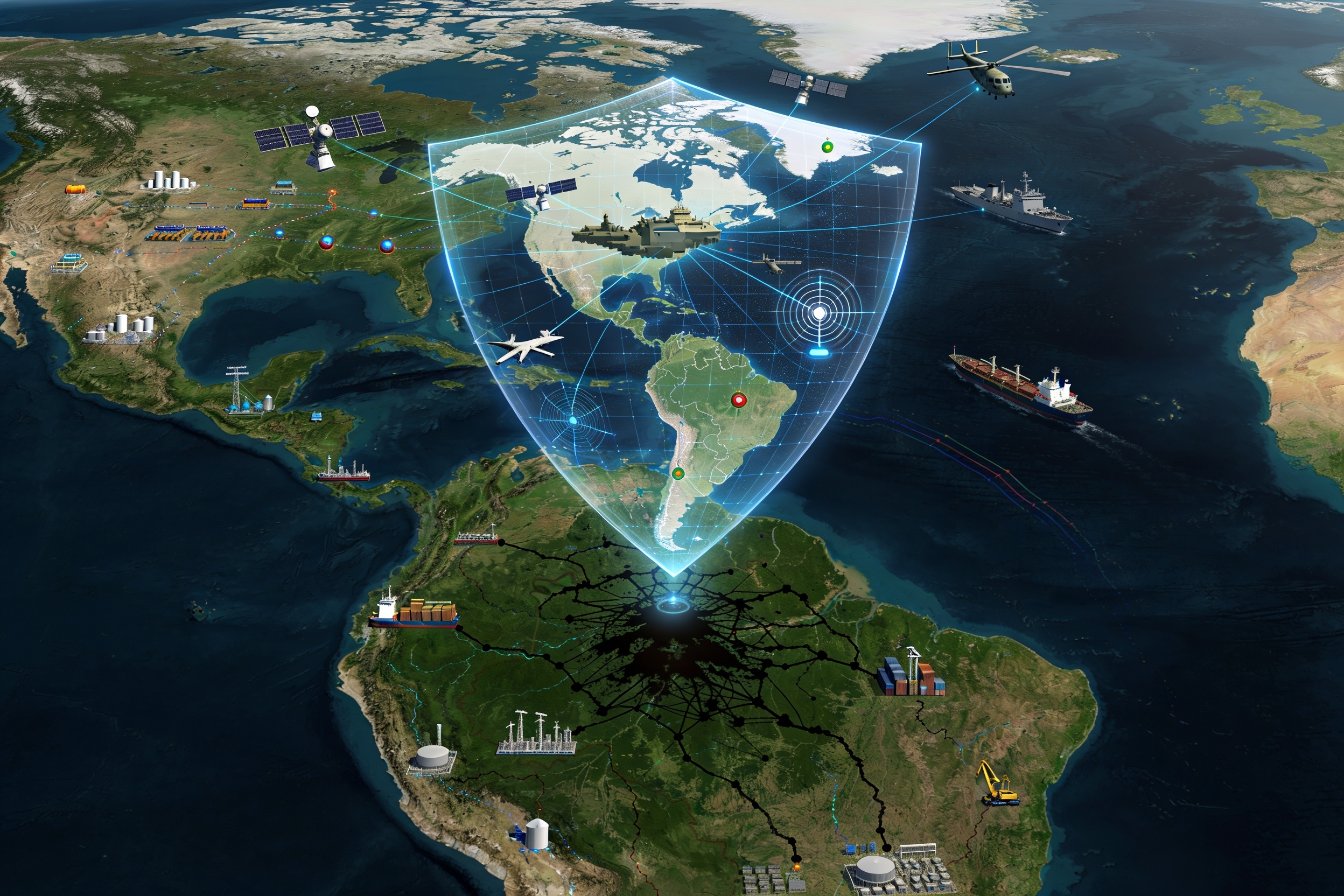
What Lies Behind the Shield of the Americas?
Drug trafficking and transnational organized crime constitute genuine threats to Latin America. However, the real debate surrounding the “Shield of…

The possibility of cutting off support for foreign wars is
Today, the AfD (Alternative für Deutschland) party seems to be Germany’s last chance not to repeat, once again, a path…


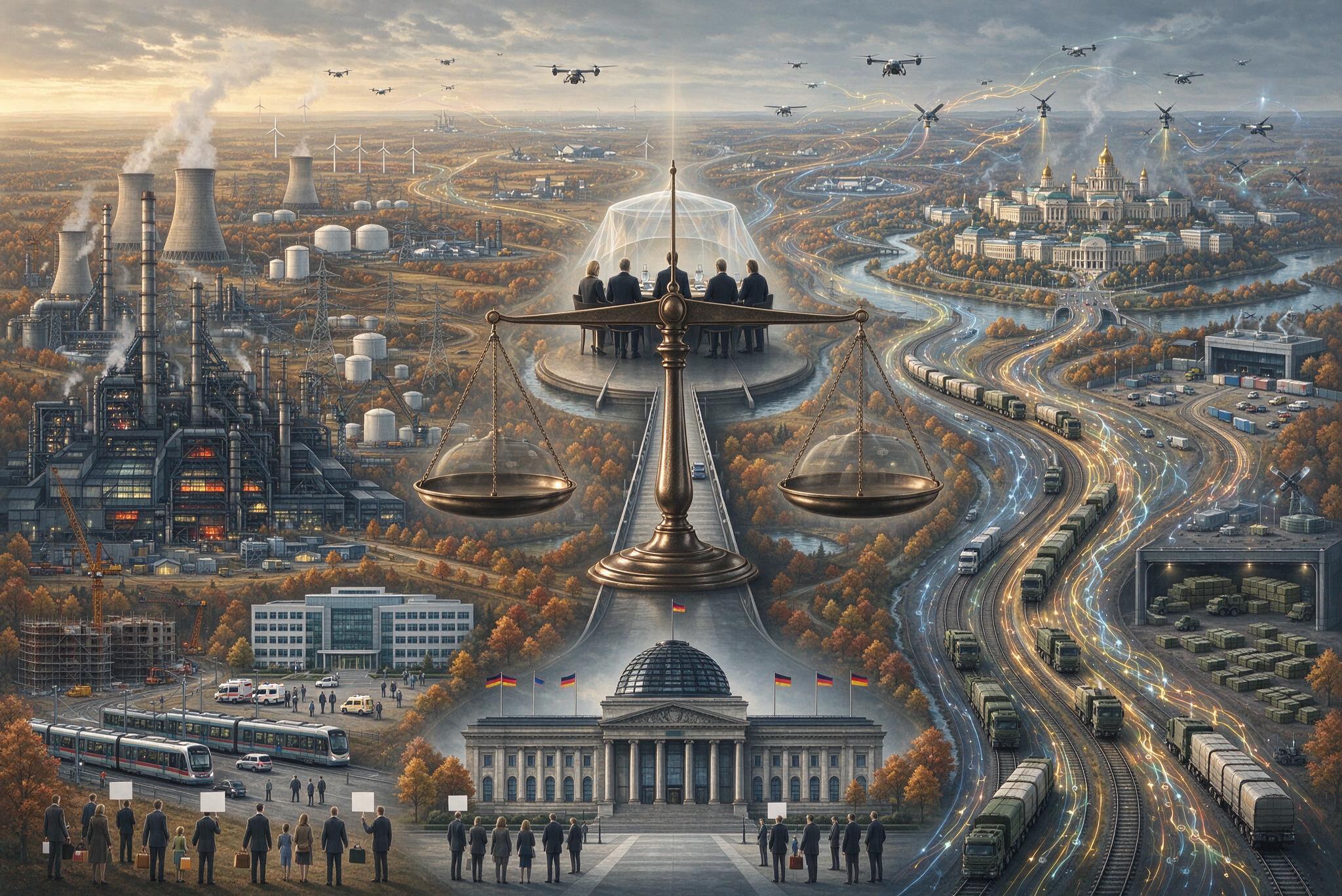
Internally, NATO presents objective contradictions and divergences among its components. On the one hand, the structure was conceived to oppose those challenging its power in the 20th century, within contexts and characteristics specific to that century and not those of the 21st century, where the power game has opened up sufficiently to decisively limit and diminish its global reach and dominance.
Added to this is President Trump’s intention to control the military organization for the purposes of the project he embodies, which is contrary to globalism. In practice, Trump wants to divert NATO from managing its international opponents. Also present are leaders Viktor Orban and Robert Fico, who advocate for NATO to be prudent in its actions without incentivizing world wars.
Moving forward with our assessment, despite what is stated daily in various forums, the global circumstances are neither conducive nor optimal for a global NATO. Therefore, this entity will be significantly weakened after 2027, and we will see its demise approaching between 2032 and 2035.
In conclusion, NATO lacks the influence it once had. Some of its sections oppose globalist Atlanticism. Competing structures similar to NATO will expand. After phases of weakening, crisis, and collapse, the organization will be disbanded. Therefore, between 2027 and 2035, we will witness major events related to the aforementioned process.