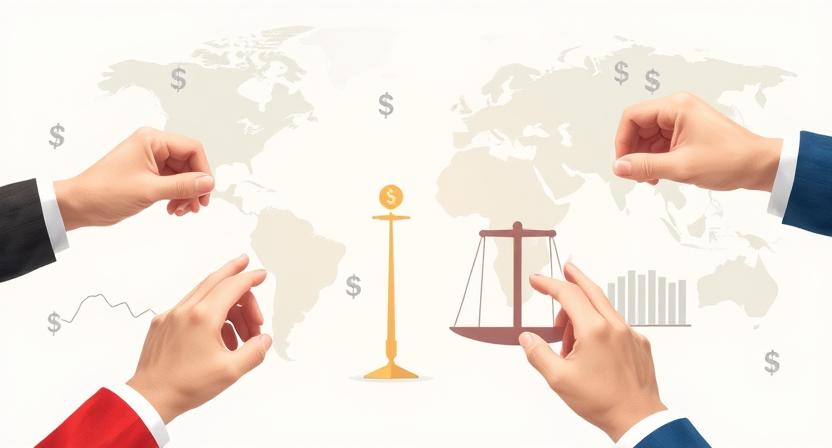
The relentless march of globalization has fundamentally reshaped nearly every facet of human society, from cultural exchange to political cooperation. However, its most profound and often debated impact is on the economic sovereignty of states. Globalization, characterized by the increasing interconnectedness of economies through the free flow of goods, services, capital, technology, and people across national borders, has simultaneously brought unprecedented prosperity and posed significant challenges to a nation’s ability to independently control its own economic destiny.
For centuries, economic sovereignty implied a state’s unassailable right to manage its currency, control its borders for trade, levy taxes, regulate industries, and determine its fiscal and monetary policies without external interference. Today, this traditional understanding is constantly being tested and redefined by global markets, powerful multinational corporations, and influential international institutions. Understanding this complex interplay is crucial for grasping the contemporary challenges faced by nations worldwide.
Defining Economic Sovereignty in a Globalized World
Traditionally, economic sovereignty refers to a state’s independent power to formulate and implement its economic policies within its territorial jurisdiction. This includes:
- Monetary Policy: Controlling interest rates, money supply, and currency valuation.
- Fiscal Policy: Managing government spending, taxation, and debt.
- Trade Policy: Setting tariffs, quotas, and engaging in trade agreements.
- Regulatory Control: Establishing laws for labor, environment, competition, and industry.
- Control over National Resources: Managing domestic natural resources and key industries.
In theory, economic sovereignty grants a nation the full autonomy to pursue its economic interests and protect its citizens from external economic shocks. Globalization, however, introduces powerful external forces that can significantly constrain these traditional levers of control.

Globalization’s Mechanisms of Influence on Economic Sovereignty
Globalization impacts economic sovereignty through several interconnected channels:
1. Trade Liberalization and Agreements:
The push for free trade, championed by organizations like the World Trade Organization (WTO) and numerous bilateral/multilateral trade agreements (e.g., NAFTA/USMCA, EU’s single market), significantly reduces a state’s control over its trade policy.
- Reduced Tariffs and Quotas: Nations agree to lower barriers, limiting their ability to protect domestic industries from foreign competition.
- Binding Dispute Resolution: WTO rules and trade agreement clauses often include binding dispute resolution mechanisms, meaning a state’s domestic policies can be challenged and potentially overturned if deemed inconsistent with international trade rules.
- Harmonization of Standards: To facilitate trade, countries may be pressured to harmonize their product standards, safety regulations, or intellectual property laws with international norms, potentially overriding national preferences.
2. Financial Market Integration and Capital Flows:
The ease with which capital moves across borders means that national financial markets are increasingly intertwined.
- Currency Volatility: Large-scale international capital flows can cause rapid currency appreciation or depreciation, affecting a nation’s exports, imports, and debt servicing. National central banks have less independent control over their currency’s value.
- Foreign Direct Investment (FDI): While beneficial for economic growth, substantial FDI can lead to foreign ownership of key national industries or infrastructure, potentially shifting control and profits abroad.
- External Debt: Heavy reliance on international borrowing can make a country vulnerable to the demands of international creditors and financial institutions.
3. Rise of Multinational Corporations (MNCs):
MNCs operate across multiple countries, often with revenues exceeding the GDPs of many smaller nations. Their global reach grants them significant power.
- Influence on Policy: MNCs can lobby governments to create favorable regulatory environments, including lower taxes or weaker labor/environmental standards, sometimes leading to a “race to the bottom” among nations competing for investment.
- Tax Avoidance: Complex international tax structures allow MNCs to shift profits to low-tax jurisdictions, reducing the tax base for national governments and challenging their fiscal sovereignty.
- Supply Chain Dominance: MNCs control vast global supply chains, dictating terms to smaller local suppliers and potentially influencing labor practices and economic policies in host countries.
4. Global Supply Chains and Interdependence:
The fragmentation of production across multiple countries means that industries in one nation are deeply reliant on inputs from others.
- Vulnerability to Shocks: Disruptions in one part of the world (e.g., natural disaster, pandemic, geopolitical conflict) can have cascading effects globally, exposing national economies to external shocks beyond their control. The COVID-19 pandemic vividly demonstrated this with shortages of critical goods.
- Loss of Strategic Autonomy: Nations might find themselves unable to produce essential goods or components domestically, compromising strategic independence in times of crisis.
5. Influence of International Economic Institutions:
Organizations like the International Monetary Fund (IMF) and the World Bank provide loans and financial assistance but often attach conditionalities.
- Structural Adjustment Programs: In times of financial crisis, countries receiving aid may be required to implement specific economic reforms (e.g., austerity measures, privatization, deregulation) dictated by these institutions, thereby limiting their sovereign policy choices.
- Policy Prescriptions: Even without direct financial assistance, the policy recommendations and economic surveillance conducted by these powerful bodies can significantly influence national economic decisions.
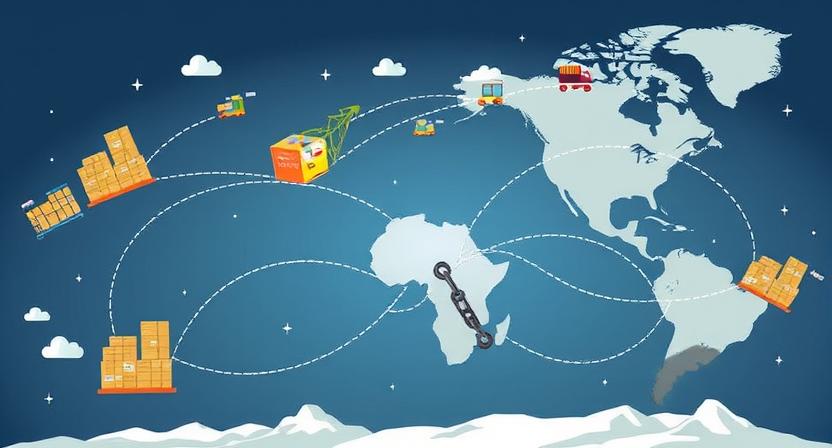
Ways Economic Sovereignty is Challenged
The cumulative effect of these globalization mechanisms manifests as direct challenges to economic sovereignty:
- Loss of Policy Autonomy: Governments find their monetary and fiscal policy options constrained by global market reactions or international agreements. For instance, raising interest rates too much might attract foreign capital, strengthening the currency and hurting exports, or vice-versa.
- Regulatory Convergence or Pressure: To remain competitive or comply with international agreements, states may feel compelled to adopt regulations that are not ideal for their domestic context, or face pressure to lower environmental/labor standards to attract investment.
- Tax Base Erosion: The ability of MNCs to avoid taxes means national governments lose significant revenue, reducing their capacity to fund public services and infrastructure.
- Increased Vulnerability to External Shocks: National economies become more susceptible to crises originating elsewhere, whether financial contagions, commodity price swings, or supply chain disruptions.
- Erosion of National Ownership: Privatization and foreign ownership can reduce a state’s direct control over strategically important industries, resources, or land.
States’ Responses to Reassert Economic Sovereignty
In response to these challenges, many states are adopting new strategies to reclaim or redefine their economic sovereignty:
- Strategic Industrial Policies: Governments are increasingly intervening to support key domestic industries (e.g., semiconductors, green energy tech) through subsidies, R&D funding, and preferential procurement, aiming to reduce foreign dependence and build national resilience.
- Reshoring/Friendshoring: Companies and governments are rethinking global supply chains, bringing production closer to home or to allied nations to enhance security and reduce vulnerabilities.
- Digital Sovereignty Measures: Nations are implementing stricter data localization laws and regulations for tech giants, asserting control over digital economic activities and data flows within their borders.
- New Trade Frameworks: While still engaging in trade, some nations are moving away from purely liberalizing agreements towards those that prioritize national security, labor rights, or environmental standards.
- Global Tax Reform: International efforts, like the OECD’s push for a global minimum corporate tax, aim to reduce tax avoidance by MNCs and restore national tax bases.
- Increased Use of Sanctions: States increasingly use economic sanctions as a foreign policy tool to exert pressure, demonstrating a reassertion of economic power.

Conclusion: An Evolving Landscape of Economic Control
The relationship between globalization and economic sovereignty is not one of simple erosion, but rather a complex, dynamic interplay of constraints and reassertions. While the interconnected global economy undeniably limits a state’s independent economic policymaking, it also creates new avenues for growth, innovation, and international cooperation.
Nations are learning to navigate this new landscape, seeking to harness the benefits of globalization while mitigating its risks and safeguarding their core economic interests. The shift towards strategic industrial policies, resilient supply chains, and digital sovereignty measures reflects a growing recognition that in the 21st century, effective economic governance requires a delicate balance between global integration and national control. The debate over how much sovereignty to cede versus how much to protect will continue to shape the future of international economic relations.