
In an interconnected and ever-changing world, understanding geopolitics is more crucial than ever. States and other international actors compete and cooperate, seeking to influence the global landscape. But how do they actually exert this influence? The answer often lies in the strategic use of two fundamental concepts: hard power and soft power.
Both terms, though seemingly opposite, are vital tools in the arsenal of any nation aspiring to project its authority and interests beyond its borders. Knowing their differences, their applications, and how they intertwine is essential for comprehending the current dynamics of world power.
Hard Power: Direct and Tangible Force
Hard power refers to an actor’s ability to influence others through coercion or direct reward. It’s the most traditional manifestation of power in international relations, based on tangible resources and the threat or use of force.
Components of Hard Power
Mainly, hard power manifests through the following elements:
- Military Power: This is the most obvious component. It includes the strength of an army, weapons technology, troop deployment capability, military intelligence, and the willingness to use force to achieve objectives. Clear examples are military interventions, nuclear deterrence, or the imposition of no-fly zones.
- Economic Power: This refers to a country’s ability to influence others through its economic strength. This can manifest as economic sanctions, trade blockades, financial aid, or massive investments. A country with a robust economy can dictate terms or create dependencies that grant it influence. For instance, the United States’ ability to impose financial sanctions on other countries is a clear demonstration of its economic power.

Historical and Current Examples of Hard Power
Throughout history, hard power has been the dominant tool for geopolitical change. World wars, the Cold War with its arms race, and invasions are clear examples of how military power has been used. In the economic sphere, the imposition of tariffs or the denial of loans are common tactics.
Currently, we see hard power in action in armed conflicts, tensions in the South China Sea, or economic sanctions imposed on certain regimes. It’s a direct, often costly tool, but one that can produce quick and decisive results.
Soft Power: Attraction and Persuasion
In contrast to coercion, soft power is an actor’s ability to influence others by attracting and persuading them, rather than forcing them. It’s a concept coined by political scientist Joseph Nye Jr. in the 1990s and is based on co-optation, where actors want what you want.
Sources of Soft Power
Soft power emanates from the attractiveness of a country’s culture, its political values, and its foreign policies. These are its main pillars:
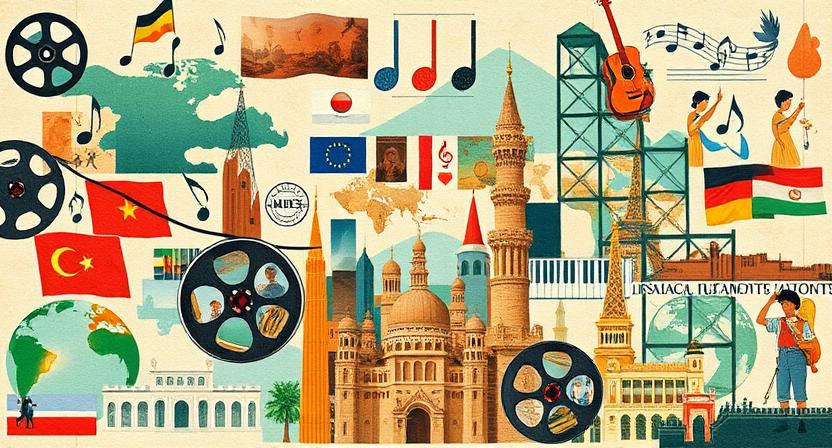
- Culture: The global spread of a country’s music, cinema, gastronomy, fashion, or lifestyle can generate admiration and a desire for emulation in other nations. Hollywood, South Korean K-Pop music, Italian cuisine, or French fashion are examples of how culture can open doors and create affinities.
- Political Values: Adherence to principles such as democracy, human rights, the rule of law, and freedom can make a country perceived as a model to follow. When a country defends these values, it can gain legitimacy and respect, which gives it moral influence.
- Foreign Policies: A consistent, ethical foreign policy that promotes peace, cooperation, and development can enhance a country’s reputation and its ability to persuade others. Humanitarian aid, multilateral diplomacy, or mediation in conflicts are manifestations of a foreign policy that generates soft power.
Examples of Soft Power in Action
Soft power is observed in the global popularity of brands, the influence of educational institutions (like American universities), the adoption of democratic models, or admiration for social movements. For example, the attractiveness of the European Union for neighboring countries wishing to join is largely based on its soft power: its democratic values, economic prosperity, and living standards.
The Intersection of Soft Power and Hard Power: Smart Power
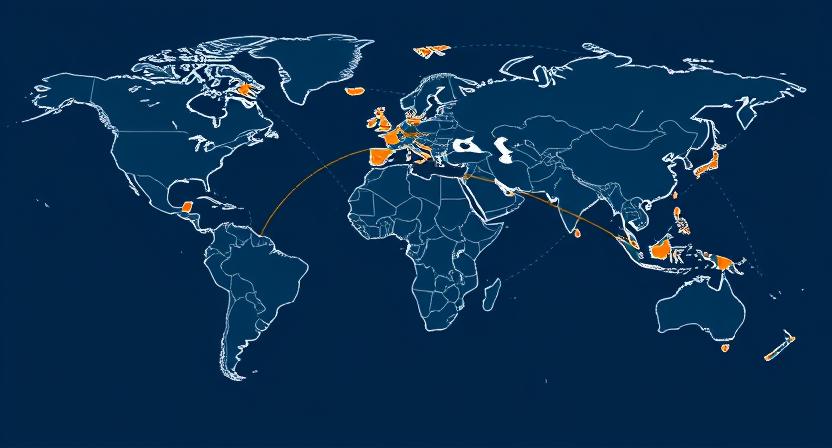
Although often presented as opposites, soft power and hard power aren’t mutually exclusive. In fact, the combined and intelligent use of both is what Joseph Nye calls “Smart Power.”
Smart Power recognizes that long-term success in geopolitics isn’t achieved solely through military force or solely through cultural persuasion. An effective strategy integrates hard and soft power resources in a complementary manner. For example, a nation can use its military power to ensure security in a region (hard power) and, at the same time, invest in development and education programs (soft power) to stabilize the area and gain the support of the local population.

The Synergy of Smart Power
Consider the case of the United States. While its enormous military and economic power (hard power) is undeniable, it has also exerted considerable influence through its culture (cinema, music, technology) and the attractiveness of its democratic system (soft power). The combination of both has allowed it to project its global influence in complex and multifaceted ways.
Similarly, China, while having significantly expanded its economic and military power (hard power), also invests in initiatives such as Confucius Institutes and “mask diplomacy” to improve its image and gain influence through soft power.
Why Is Understanding Soft and Hard Power Important?
Understanding the dynamics of soft and hard power is fundamental for several reasons:
- Accurate Geopolitical Analysis: It allows analysts and citizens to better understand the motivations and strategies of states in the international arena. It’s not all about tanks and missiles; cultural influence and reputation also play a crucial role.
- Development of National Strategies: For policymakers, knowing how and when to apply each type of power is key to achieving foreign policy objectives effectively and sustainably. An imbalance or inappropriate use can lead to counterproductive results.
- Informed Citizenship: In a democracy, a citizenry that understands these tools of power is better equipped to evaluate the actions of its governments and participate in public debate about foreign policy.
Conclusion: The Necessary Balance for Global Influence
Hard power and soft power are two sides of the same coin in the complex chessboard of geopolitics. While hard power offers the ability to directly coerce and reward, soft power provides the ability to subtly attract and persuade.
Currently, the most successful nations in projecting their global influence are those that master the art of combining them, exercising what is known as Smart Power. This strategic integration allows them to address complex challenges with a wider range of tools, achieving foreign policy objectives not only through force but also through consent and attraction.
Understanding these concepts helps us decode daily news, appreciate the subtleties of diplomacy, and recognize that the true strength of a nation lies both in its arsenals and in its ability to inspire and attract.