
The collapse of the Soviet Union in 1991 presented the nations of Eastern Europe with a historic opportunity to reclaim their sovereignty after decades of Moscow’s domination. However, their path was not a simple one. These nations faced the monumental task of simultaneously rebuilding their political, economic, and social systems from the ground up. This case study delves into the specific strategies that led to success in countries like Poland, the Czech Republic, and the Baltic States, while also examining the persistent challenges that continue to test their resilience. The experience of these nations offers a powerful blueprint for others seeking to navigate the complexities of asserting self-determination in a rapidly changing world.
The lessons are clear: true sovereignty is not merely a declaration of independence, but a continuous and strategic effort to build resilient political institutions, secure economic autonomy, and anchor a nation within a community of shared values.
The Political Rebirth: From One-Party Rule to Democracy
The first and most critical step for the former Soviet bloc nations was to dismantle the communist political apparatus and build a foundation for a legitimate, democratic government. This was a process of radical and often painful institutional reform.
Strategies for Success
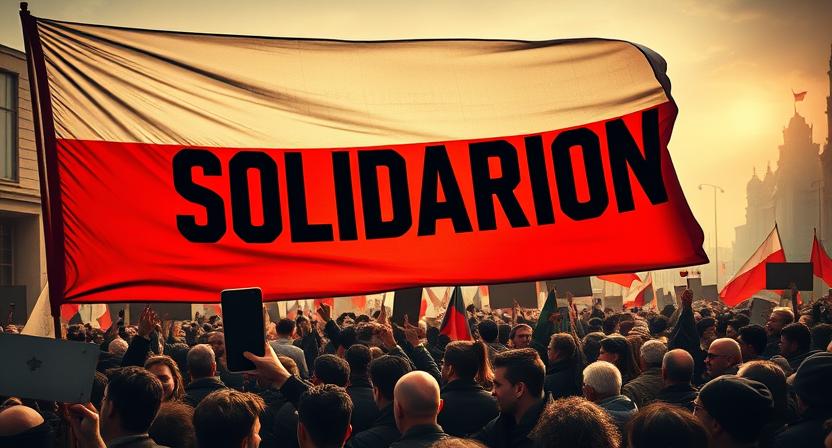
- The Power of Popular Movements: The transition was largely fueled by grassroots movements and popular uprisings. In Poland, the Solidarity trade union movement provided a powerful civil society force that negotiated the end of communist rule. In Czechoslovakia, the Velvet Revolution demonstrated that change could be achieved through peaceful protest and a unified demand for freedom. These movements gave the new governments a strong popular mandate to enact difficult reforms.
- Constitutional Reform and the Rule of Law: New democratic constitutions were written to enshrine fundamental rights, separate powers, and establish a framework for a multi-party system. This was a crucial step in moving away from arbitrary rule and toward the rule of law. The establishment of independent judiciaries and electoral commissions was vital to ensure the legitimacy of the new political systems.
- Lustration and De-Communization: Many nations undertook “lustration” policies to remove former communist officials and secret police collaborators from positions of power. While controversial, this was seen as a necessary measure to break with the past and ensure that the new institutions were not infiltrated by the old regime.
Persistent Challenges
Despite these successes, the transition left a legacy of challenges. The speed of political change often outpaced the development of social and democratic norms, leading to political instability, fragmented party systems, and a lack of public trust in new institutions.
The Economic Transformation: From Command to Market
The political transition was intrinsically linked to a complete overhaul of the economic system. The centrally planned communist economies had collapsed, leaving a vacuum that had to be filled by the principles of the free market.
Strategies for Success
- “Shock Therapy” and Rapid Privatization: Countries like Poland, under the leadership of Leszek Balcerowicz, adopted an aggressive strategy known as “shock therapy.” This involved rapid liberalization of prices, stabilization of the currency, and mass privatization of state-owned enterprises. While this caused short-term economic pain and high unemployment, it was credited with a swift transition to a market economy and laid the groundwork for long-term growth.
- Integration with the West: The nations of Eastern Europe understood that their economic future lay in integration with the global capitalist system. They actively sought to attract foreign direct investment (FDI) and open their borders to trade. This influx of capital and technology modernized their industries and created a new source of jobs and prosperity.
- Building New Supply Chains: These nations consciously broke their economic dependence on Russia and its former satellite states. They reoriented their trade toward Western Europe, becoming a crucial part of the European supply chain. This move was a deliberate act of both economic and geopolitical defiance, solidifying their newfound autonomy.

Persistent Challenges
The economic transition was not without its drawbacks. The privatization process often led to corruption and the concentration of wealth in the hands of a few. It also resulted in high unemployment and rising inequality, creating a significant social divide and fueling a sense of nostalgia for the stability of the communist era, a challenge that populist leaders have exploited in recent years.
The Geopolitical Pivot: Anchoring to the West
For these nations, political and economic autonomy was a fragile concept without a strong security and political anchor. The strategic choice to align with the West was the masterstroke of their post-Soviet foreign policy.
The Pursuit of NATO Membership
For nations that had been forced members of the Warsaw Pact, joining NATO was the ultimate guarantee of security and an unambiguous rejection of their Soviet past.
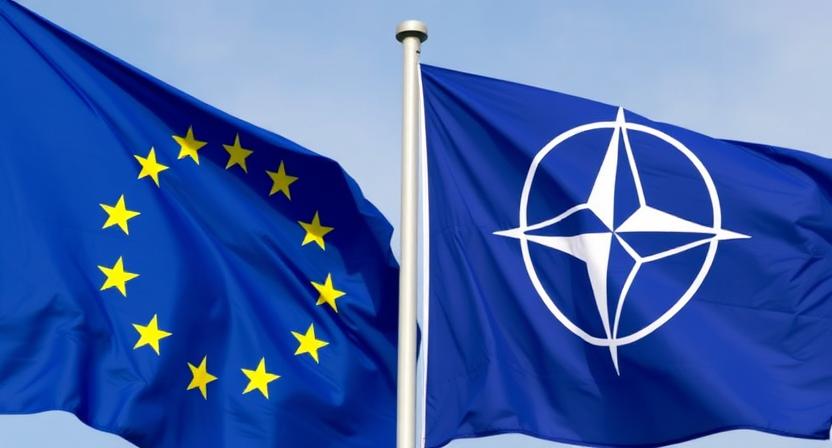
- A Security Umbrella: NATO’s Article 5, which guarantees collective defense, provided a powerful deterrent against any potential Russian aggression, a fear that was particularly acute for nations like the Baltic States.
- A Statement of Values: It was a clear political decision to align with a community of democratic nations. The process of joining NATO required significant military reform, ensuring these nations’ armed forces met Western standards and were subject to civilian oversight.
The Road to EU Integration
Equally important was the push to join the European Union. This was not merely an economic decision but a comprehensive project of political and social reform.
- A Blueprint for Governance: The rigorous requirements for EU accession—the acquis communautaire—provided a detailed roadmap for legal, political, and economic reforms, from environmental standards to anti-corruption measures. This process helped to solidify the rule of law and democratic institutions.
- A Path to Prosperity and Stability: EU membership provided access to a vast single market and billions in structural funds, which were instrumental in modernizing infrastructure and boosting economic growth. The EU also provided a framework for a peaceful resolution of any internal disputes.
Persistent Challenges: The Path to Autonomy Is Not Over
The success of the Eastern European transition is undeniable, but the journey to secure sovereignty is ongoing. These nations still face significant challenges, both internal and external.
The Shadow of Russia
- Energy and Economic Coercion: Russia continues to use its control over energy supplies and economic influence as a tool to pressure its neighbors.
- Disinformation and Cyberattacks: The ongoing threat of Russian disinformation campaigns and cyberattacks is a constant reminder that sovereignty is no longer just about physical borders but also about defending a nation’s information space and democratic discourse.
- Military Threats: Russia’s aggression against Georgia and Ukraine has shown that military force remains a real threat, particularly for nations on its border.

Internal Divisions and Illiberalism
- The Populist Backlash: The economic and social strains of the transition have fueled the rise of populist leaders who challenge democratic norms and the very Western alliances that provided security and prosperity.
- Corruption and State Capture: Despite progress, corruption remains a persistent problem in many of these nations, undermining public trust and making them vulnerable to both domestic and foreign interests.
Conclusion: A Legacy of Resilience and a Blueprint for the Future
The story of post-Soviet Eastern Europe is a compelling case study in the complexities of reclaiming sovereignty. It demonstrates that true autonomy is a multi-faceted project, requiring a dual approach to political and economic freedom. It highlights the strategic wisdom of anchoring a nation to a community of shared values for both security and prosperity. Ultimately, the success of these nations lies not just in their bold decisions and strategic alliances, but in the resilience of their people who continue to fight for the democratic ideals they so powerfully reclaimed. For any nation facing external threats or seeking to chart a more independent course, the lessons from Eastern Europe are not just historical footnotes; they are a vital blueprint for the future.