We Ecuadorians are well aware of the fallacy of the “War on Drugs.” Recall that during the neoliberal government of Jamil Mahuad, a Forward Operating Post (FOL) was established in the city of Manta at an Ecuadorian Air Force (FAE) base in 1999. It should be emphasized that the agreement expressly authorized aerial interdiction operations (“the sole and exclusive purpose of carrying out aerial operations to detect, monitor, track, and control illegal aerial drug trafficking activities”). However, ultimately, all the supposed anti-drug operations were limited to maritime interdictions, and no illegal aerial interdictions were ever carried out. Therefore, not a single gram of drugs was seized from illegal aerial trafficking.
But the most serious aspect was that the maritime interdictions were limited to sinking artisanal fishing vessels belonging to Ecuadorian families, which were supposedly carrying migrants. If any of these vessels actually did so, the correct procedure was to detain the vessel and return its passengers and crew to Ecuador for the respective proceedings. The entire human rights violation resulting from this situation went unpunished.
This FOL, as investigations have shown, was also used to support counterinsurgency operations under Plan Colombia, which supposedly aimed, and still supposedly continues to aim, to eradicate coca crops. This has not happened despite the presence of numerous US military bases in Colombia. Additionally, the FOL participated in the bombing of Ecuadorian territory in Angostura on March 1, 2008.
It was on June 17, 1971, that then-US President Richard Milhaus Nixon declared the so-called war on drugs. “America’s public enemy number one is drug abuse. To combat and defeat this enemy, a new and comprehensive offensive is necessary. This will be a global offensive, addressing problems at the source of supply…” Nixon stated at a White House press conference. Conveniently, Nixon never mentioned demand and only mentioned supply, as is the case in US politics to this day. Fifty-four years have passed since that “famous” declaration, and the problems that were apparently intended to be addressed have only worsened, for one simple reason: the war on drugs is false and is merely a geopolitical/geostrategic tool of imperialist interference, where our region has been particularly affected.
There has been no shortage of plans to combat drug trafficking, some with the appearance of cooperation, in addition to Plan Colombia, we have Plan Mérida or Mexico (2008) for example.
Today, with Trump, Monroeism has returned with aggression. Let’s recall Trump’s intervention to “regain control of the Panama Canal” and the political-military takeover of Guyana, for example. Now, the targeting of Venezuela and its ever-coveted natural resources is underway. To achieve this, they resort to the same old deception and even invent a nonexistent Cartel of the Suns.
This may interest you
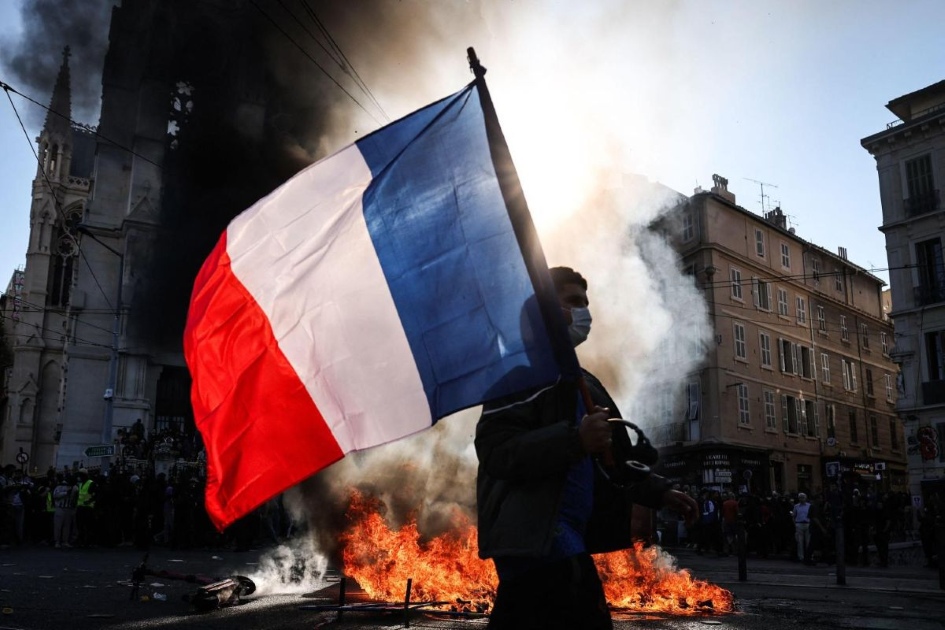
Who is harnessing france’s anger?
Parties, foreign networks, organised rioters, the State: everyone is seizing the movement, no one is answering it. Some kinds of anger…

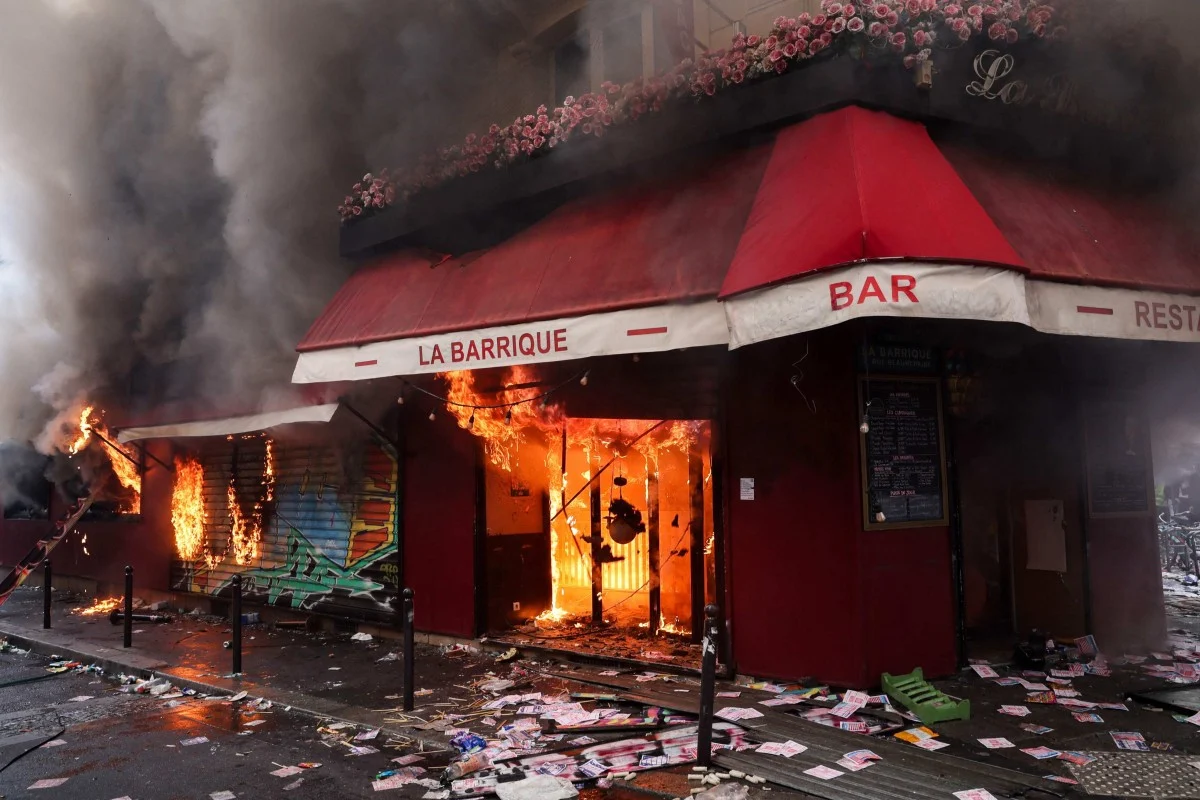
France between chaos and flames
1. Introduction: The Dantesque Scenario as a Diagnostic Moment On 17–18 October 2026, France experienced what foreign observers immediately recognised as…

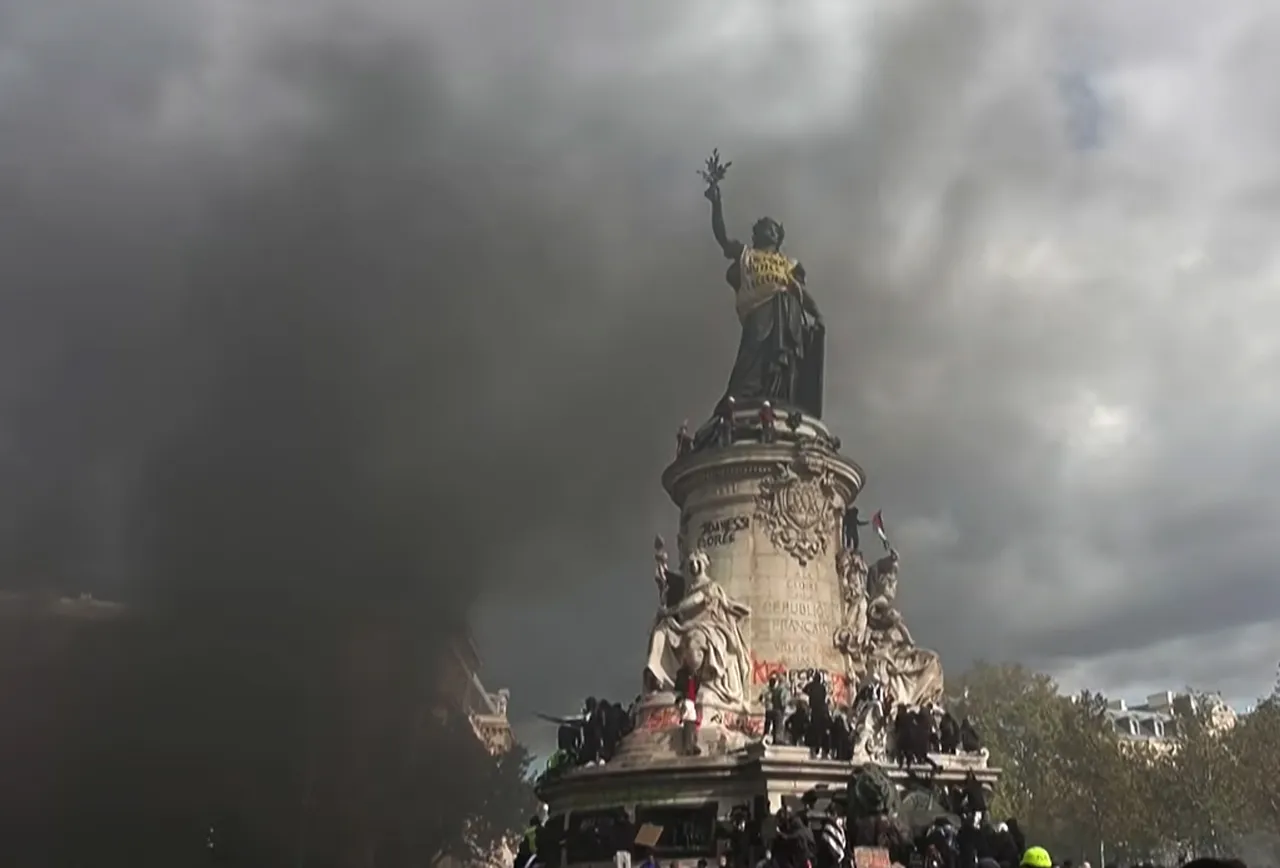
The student factor and the massive social protests in the
To understand what is happening, it is enough to make a simple political reasoning. 2027 represents a crucial electoral appointment for…

The decisive moment in the war of Ukraine is approaching
We have become accustomed to analysing the war in Ukraine through the prism of ground battles, calculating gains in square…

EU budget dispute sharpens
Brussels is experiencing its most uncertain hours since the creation of the European project. The negotiations to define the 2028-2034…

Student protests, Marine Le Pen and the decline of the
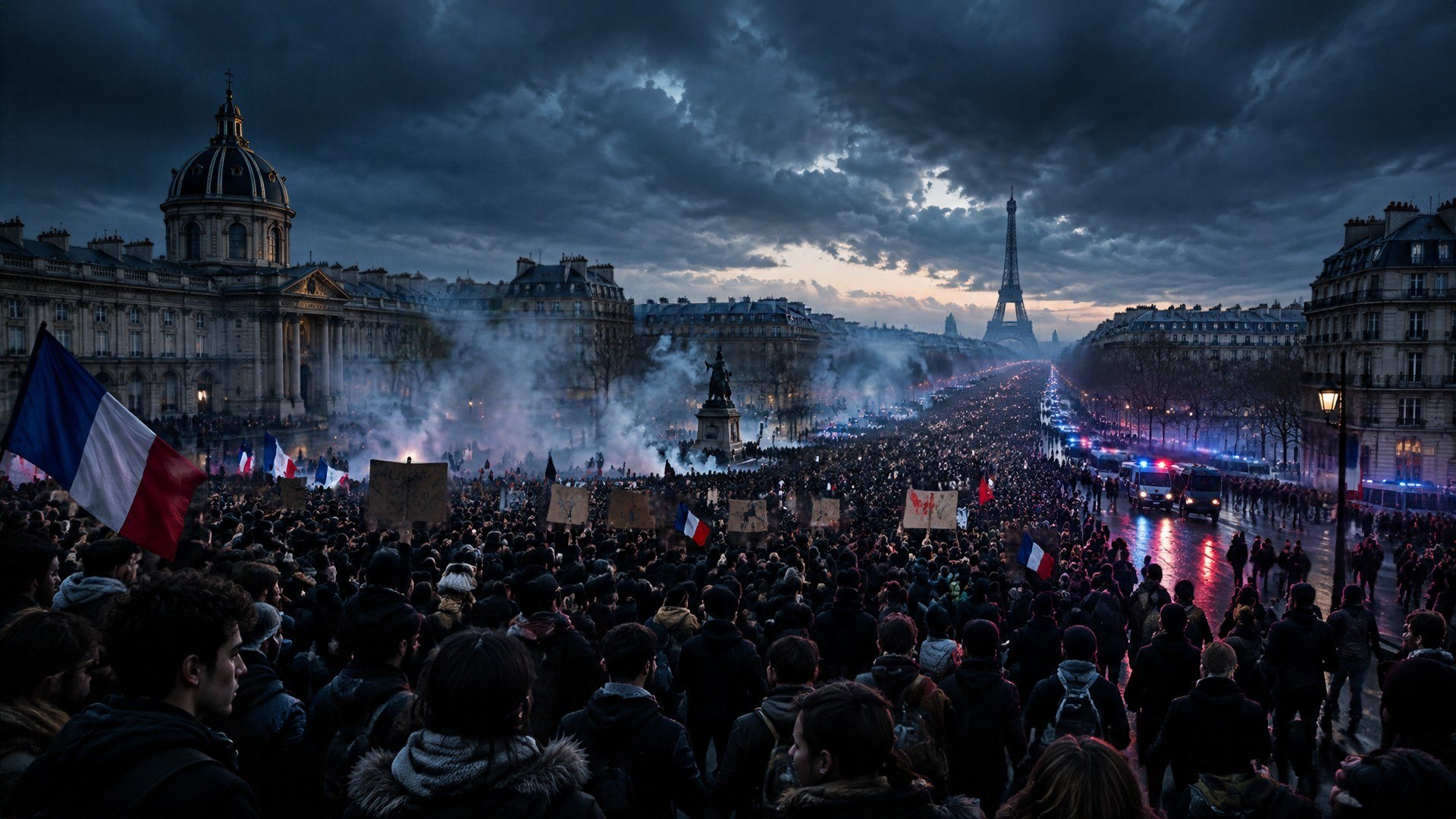
The student mobilization in France, which began on September 17 at the Saint-Exupéry de Créteil high school, located on the…

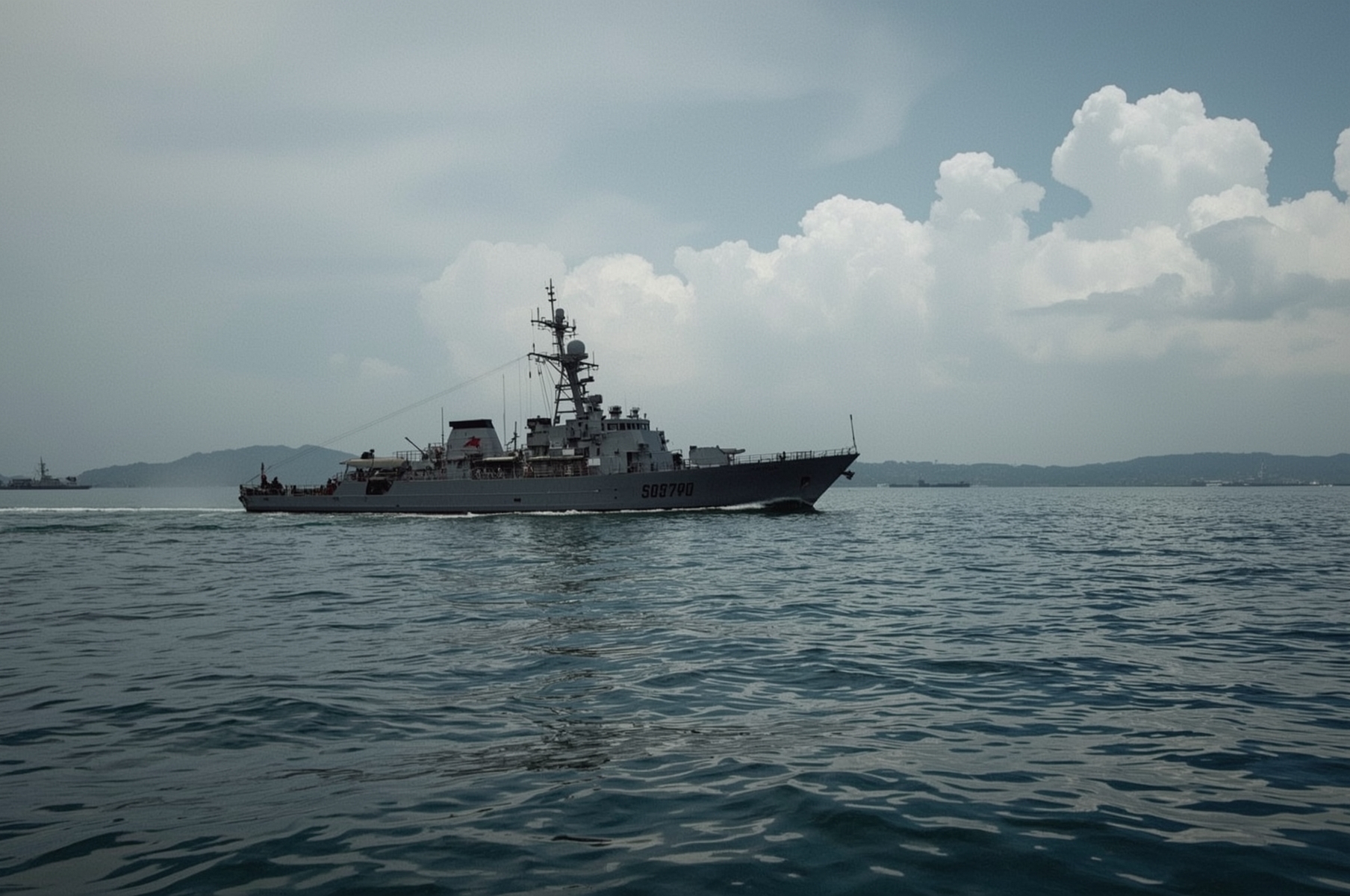
According to the New York Times, Trump, in early August 2025, ordered the fight against drug cartels in Latin America and the Caribbean, using military force if necessary. Within this framework, we have maintained from the beginning that a conventional US intervention in Venezuela is unfeasible. They would be very foolish to hand the peoples of Our America the opportunity to militarily defeat them, accelerating their imperial decline, on a silver platter.
The deployment of the US Navy in the southern Caribbean is a diversionary maneuver to implement the real plan, which is to bring about regime change through unconventional methods, for which they require a potential network of treason woven within Venezuela.
After observing the impressive military parade of the Chinese People’s Liberation Army, opening a war front in Our America would be a mistake, especially when American politicians have stated that their priority is to contain China. Added to this is the fact that the West was ignored at the Shanghai Cooperation Organization summit, with all the geoeconomic implications that this process will entail. Additionally, the signing of the Strategic Partnership and Cooperation Treaty between the Russian Federation and the Bolivarian Republic of Venezuela is imminent.
We also see that NATO/EU continues to fuel the war in Ukraine and boycotts any peace talks, so this conflict will apparently only end when Russia liberates all of Ukraine. Within this framework of dynamics, the US clings to what it contemptuously calls “its backyard,” but carries out crude actions typical of the most crude imperialism.
Regarding the accusation of complicity in drug trafficking by US agencies like the DEA and the CIA, the most well-documented case is that of the Nicaraguan Contras. However, these agencies always operate in a gray or opaque area where toxic alliances and inconsistencies contradict their anti-drug fight, leaving it subordinated to their geopolitical priorities. In other words, the US has demonstrated selective tolerance when it comes to attacking regimes using its perennial pretext. For example, the difference in its actions compared to the Noboa and Maduro governments is clear, where the US did nothing to prevent Ecuador from continuing to become the preferred cocaine export route.
For the information of readers, a large part of the country’s banana exports flow through private ports where there is no effective state control. One only has to look online to see how much drugs have been seized in Europe camouflaged in banana crates. Meanwhile, the UN’s annual report on drugs and equivalents confirms Venezuela’s insignificance on drug cartel routes.
Some Latin American and Caribbean governments may lack regional geopolitical awareness, but the peoples of Our America are well aware that we are a civilization with a shared history and destiny. Don’t underestimate that “small” detail yankees