For the past quarter century, Colombia has served as Washington’s most important security ally in Latin America and the Caribbean. Since the introduction of Plan Colombia in fiscal year 2000, a program that in theory aimed at combating narcotics and strengthening security, but in reality, its plans was to maintain a foothold in the North side of South America, specially since the Bolivarian government of Hugo Chavez, took place in Venezuela, in that way, it could be used to maintain contact and observation in the neighbor country and in the whole Amazon rainforest, a region of great importance to the NATO interests, the US could have been a major recipient of U.S. foreign aid and congressional focus.
Between FY2000 and FY2018, more than $10 billion in funding from the State and Defense Departments was directed to Colombia, support that proved crucial at a time when the Colombian government was on the verge of collapse in the late 1990s.
In June 2022, Colombians elected former senator Gustavo Petro as president for a four-year term after he won a runoff against Rodolfo Hernández, a construction magnate and former one-term mayor. Positioned on the liberal left of the political spectrum, Petro initially found common ground with the Biden administration, particularly on issues such as combating climate change, reducing dependence on fossil fuels, and promoting ethnic and gender inclusion, all while continuing to engage on the complex situation in Venezuela.
However, the return of Donald Trump to the White House introduced new strains. Trump’s hardline stance on immigration clashed with Petro’s policies, sparking tensions that resonated with Colombian national pride. Yet the deeper source of friction lay in Colombia’s growing ties with Beijing.
In recent years, China has advanced ambitious projects in the country, strengthening its influence with little domestic pushback. Although Colombia has not joined the BRICS, the two nations established a Strategic Partnership in 2023, and China has already become Colombia’s second-largest trading partner, with its presence expanding rapidly.
This may interest you
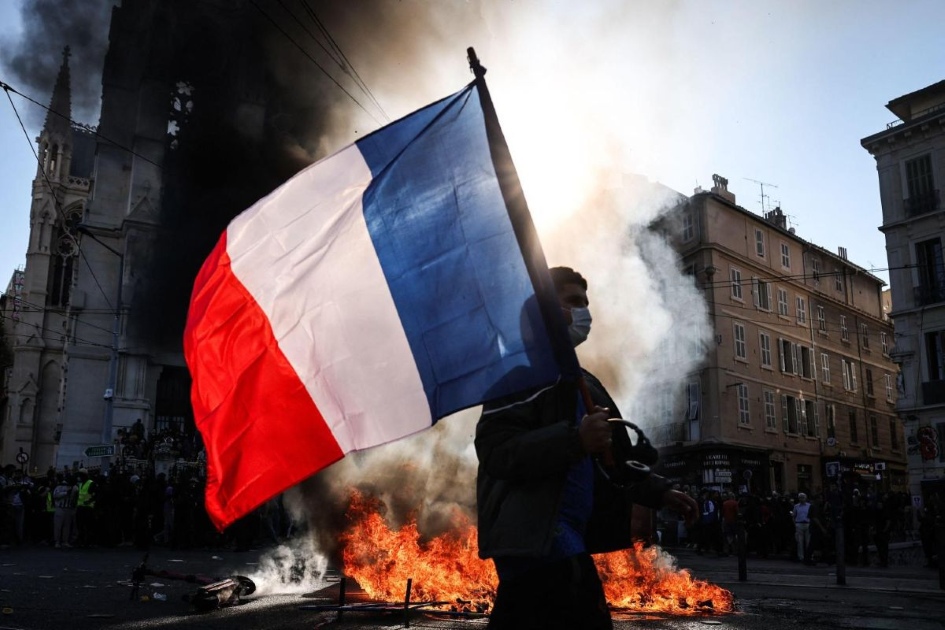
Who is harnessing france’s anger?
Parties, foreign networks, organised rioters, the State: everyone is seizing the movement, no one is answering it. Some kinds of anger…


France between chaos and flames
1. Introduction: The Dantesque Scenario as a Diagnostic Moment On 17–18 October 2026, France experienced what foreign observers immediately recognised as…


The student factor and the massive social protests in the
To understand what is happening, it is enough to make a simple political reasoning. 2027 represents a crucial electoral appointment for…

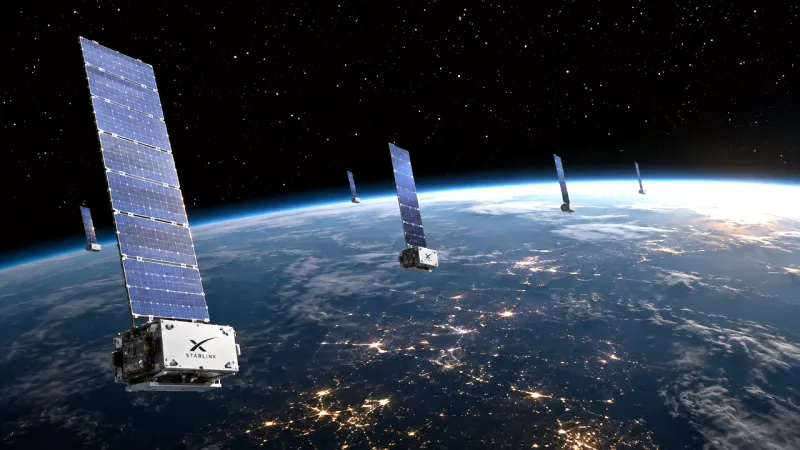
The decisive moment in the war of Ukraine is approaching
We have become accustomed to analysing the war in Ukraine through the prism of ground battles, calculating gains in square…

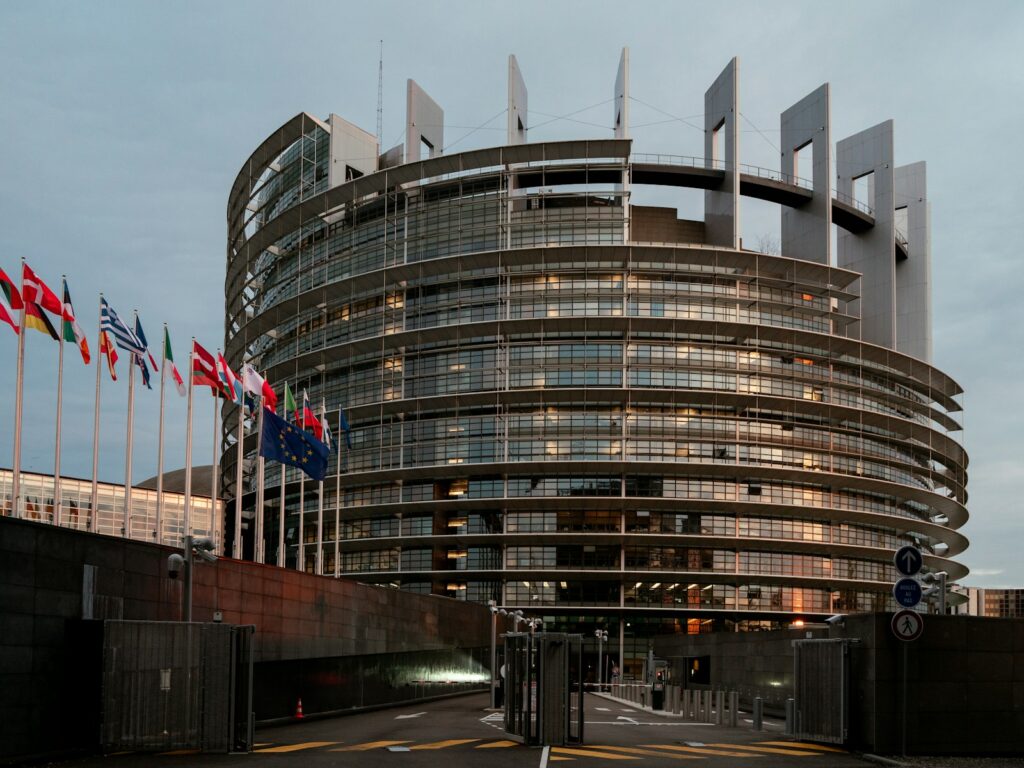
EU budget dispute sharpens
Brussels is experiencing its most uncertain hours since the creation of the European project. The negotiations to define the 2028-2034…


Student protests, Marine Le Pen and the decline of the
The student mobilization in France, which began on September 17 at the Saint-Exupéry de Créteil high school, located on the…


Food Crisis in 2027? From Diesel to the Dinner Table
A food crisis can begin far from the fields: at an attacked refinery, with a delayed fertilizer shipment, or along…

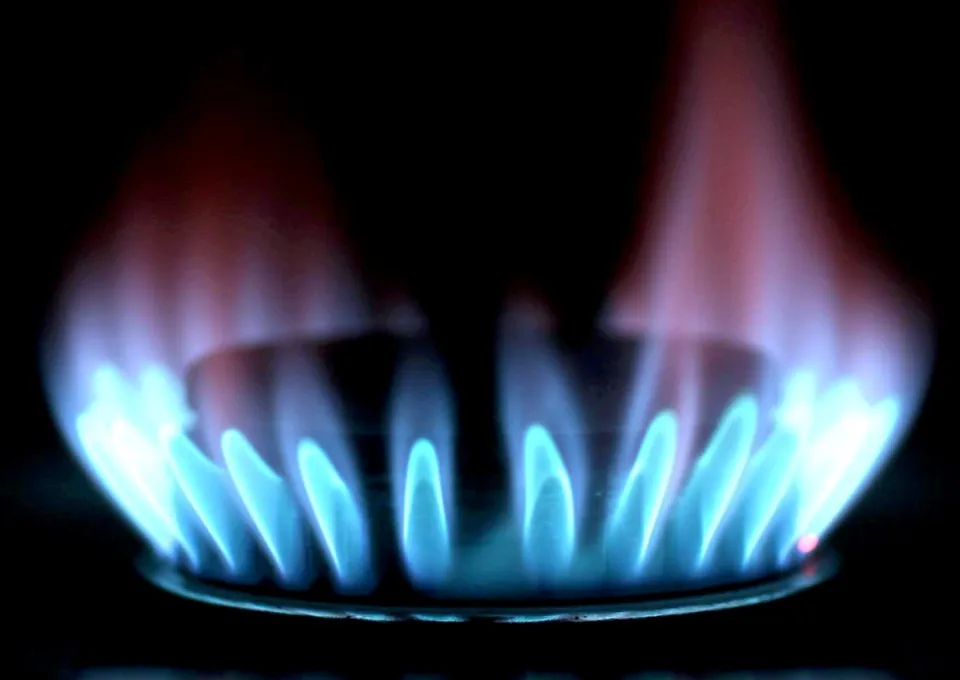
The UK is at risk of running out of gas
Clearly, the United Kingdom is going through a systemic crisis that is becoming deep and, according to the available evidence,…

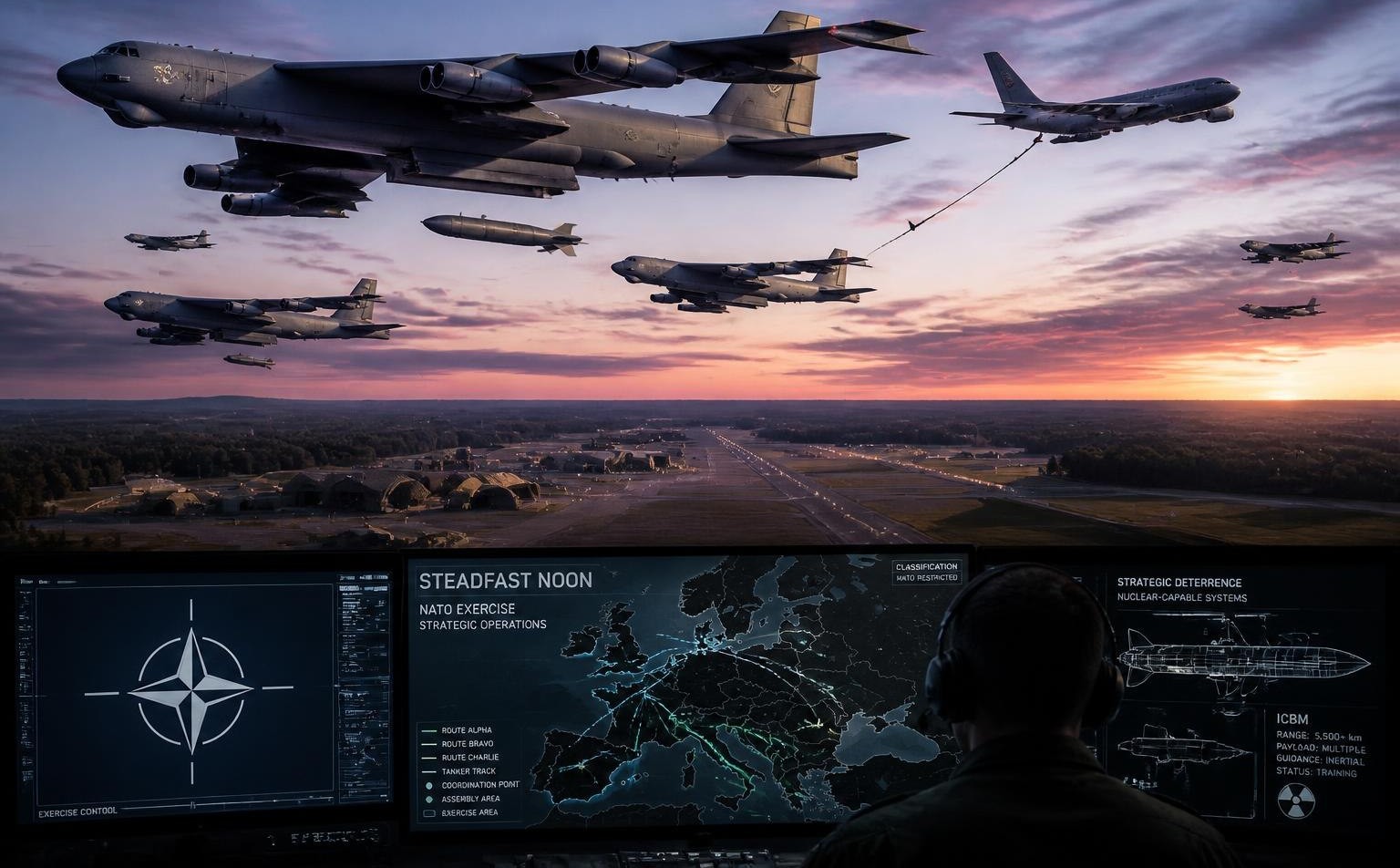
NATO fireworks
As in previous years, for ten days, starting on October 13, this time with Italy as the host country, NATO…

In other words, the true reason of the tensions is because the USA is in fear of losing it’s greatest important ally in one of the most disputed regions, and is part of a blackmail strategy to keep Colombia in line.
By now it’s too soon to say that the relations between both governments are going to be completely severed, since Petro is in the ending of it’s mandate, so even if the tensions intensifies and more politics against both sides are applied, though tensions are likely to persist and possibly worsen in certain policy áreas, everything can change if the opposition and a new government rises do power.
And for last, Colombia will likely continue to deepen economic and diplomatic relations with China, and perhaps diversify its arms and development partners. But the depth of relying on China for security will be constrained by cost, compatibility, logistics, and domestic political resistance.