For several weeks now, the international community has paid special attention to an unusual phenomenon that deserves to be addressed, analyzed, since due to its characteristics it is necessary to understand it and make a prospective diagnosis of these facts, since its consequences can impact the political dynamics of large geographical regions, we refer to the protests and popular insurrections led by the so-called “Generation Z” These are the young people born and raised entirely in the digital age, they are the first native generation of the Internet, born between the years 1997-2012.
Before starting, it would be important to direct the perspective from which to approach the problem, and thus be able to make an analysis directed from what Constructivism can explain and clarify with respect to these social phenomena that undoubtedly have an impact on the development and behavior of States, and their transcendence and impact on the international concert.
Well, in a few words and briefly explained, the Constructivist Theory in International Relations states and maintains that social reality is dynamic, it is forged, developed and this is not fixed at all. Social reality is constructed and its dynamics are altered with social interaction, that is, a series of shared ideologies and meanings are created and established.
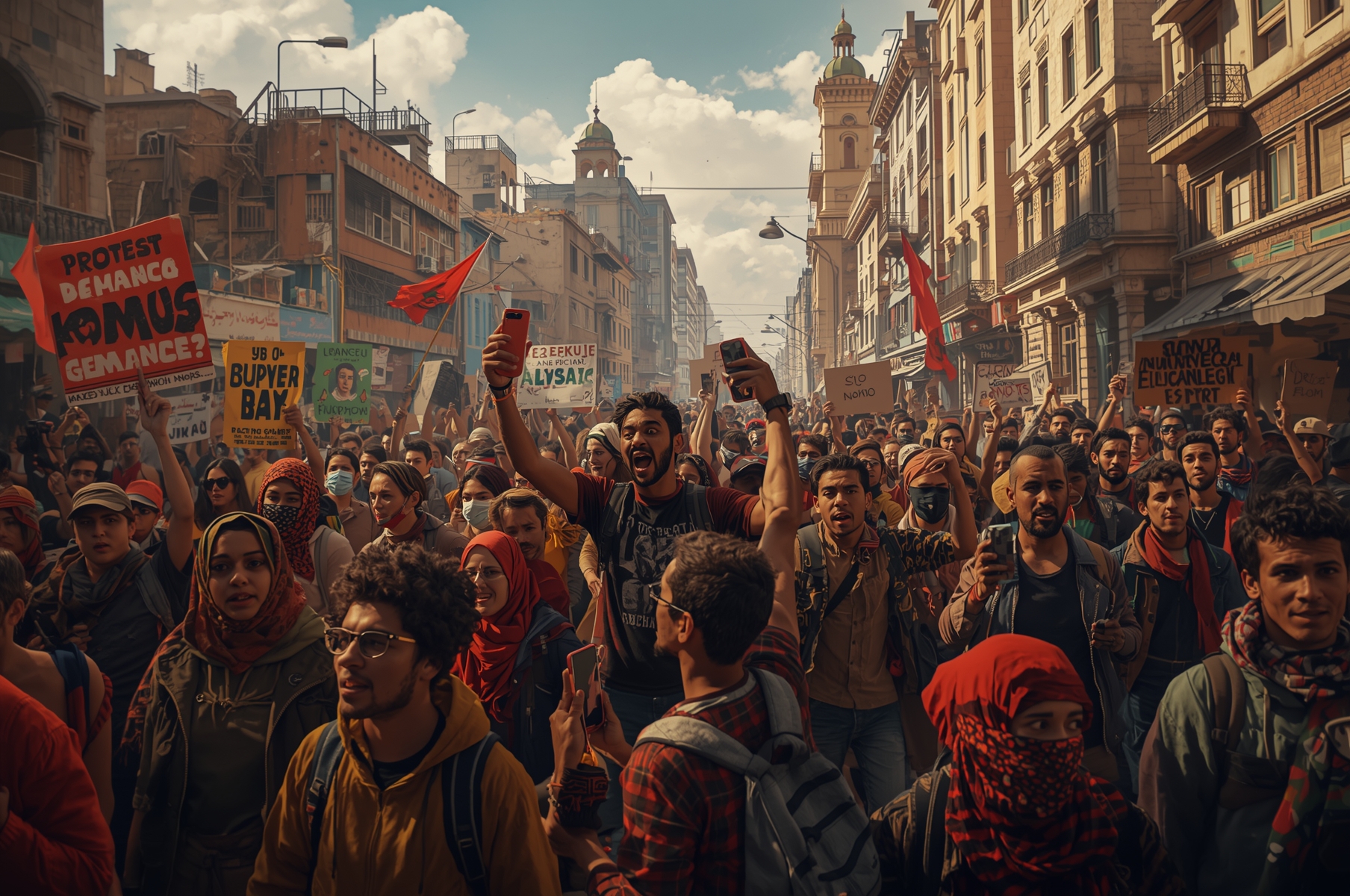
The popular anger in Morocco was triggered by the deaths of eight women who were subjected to caesarean section, a fatal consequence of a deplorable health system, this was the spark that ignited the popular anger, led by young Moroccans, who convened themselves from digital platforms, making use of their social networks to establish and coordinate collective actions of protest and popular struggle to demand a series of demands from their government which have to do with social improvements, addressing deficiencies in health, education, more control and a strong hand against corruption, in addition to the indignation at seeing how its authorities care more about the realization of the 2030 World Cup, the investment for this area is multimillion, and young people, Moroccan society in general considers it a waste and indolence on the part of its government.
The young Protestants have gone further and demanded the resignation of the government, for this purpose they have addressed directly through a letter to King Muhammad VI setting out a series of demands.
It is worth mentioning that these protests have been joined above all by the most disadvantaged young people, since there is 35% youth unemployment in Morocco and 20% illiteracy, so it is evident that a breeding ground has been forged to accumulate popular discontent that has accumulated for years. and that finally exploded, even greater than the Arab Spring protests of 2011.
It is pertinent to make an interesting observation, with this phenomenon, the myth falls, about the stereotype that is almost generalized that the new generations are apathetic, disinterested and comfortable with reality, that they are not interested or that they are not capable of acting and reacting, but around the world we have shown that such stigmas are wrong at all.
This approach highlights the role of the ideas, identities and behaviors of the masses, and their impact on the behavior of states, since they are governed not only by geography or material power, but also by the social constructions that are created and developed.
Who is harnessing france’s anger?
Parties, foreign networks, organised rioters, the State: everyone is seizing the movement, no one is answering it. Some kinds of anger…

France between chaos and flames
1. Introduction: The Dantesque Scenario as a Diagnostic Moment On 17–18 October 2026, France experienced what foreign observers immediately recognised as…

The student factor and the massive social protests in the
To understand what is happening, it is enough to make a simple political reasoning. 2027 represents a crucial electoral appointment for…

The decisive moment in the war of Ukraine is approaching
We have become accustomed to analysing the war in Ukraine through the prism of ground battles, calculating gains in square…

EU budget dispute sharpens
Brussels is experiencing its most uncertain hours since the creation of the European project. The negotiations to define the 2028-2034…

Student protests, Marine Le Pen and the decline of the
The student mobilization in France, which began on September 17 at the Saint-Exupéry de Créteil high school, located on the…

Food Crisis in 2027? From Diesel to the Dinner Table
A food crisis can begin far from the fields: at an attacked refinery, with a delayed fertilizer shipment, or along…

The UK is at risk of running out of gas
Clearly, the United Kingdom is going through a systemic crisis that is becoming deep and, according to the available evidence,…

NATO fireworks
As in previous years, for ten days, starting on October 13, this time with Italy as the host country, NATO…

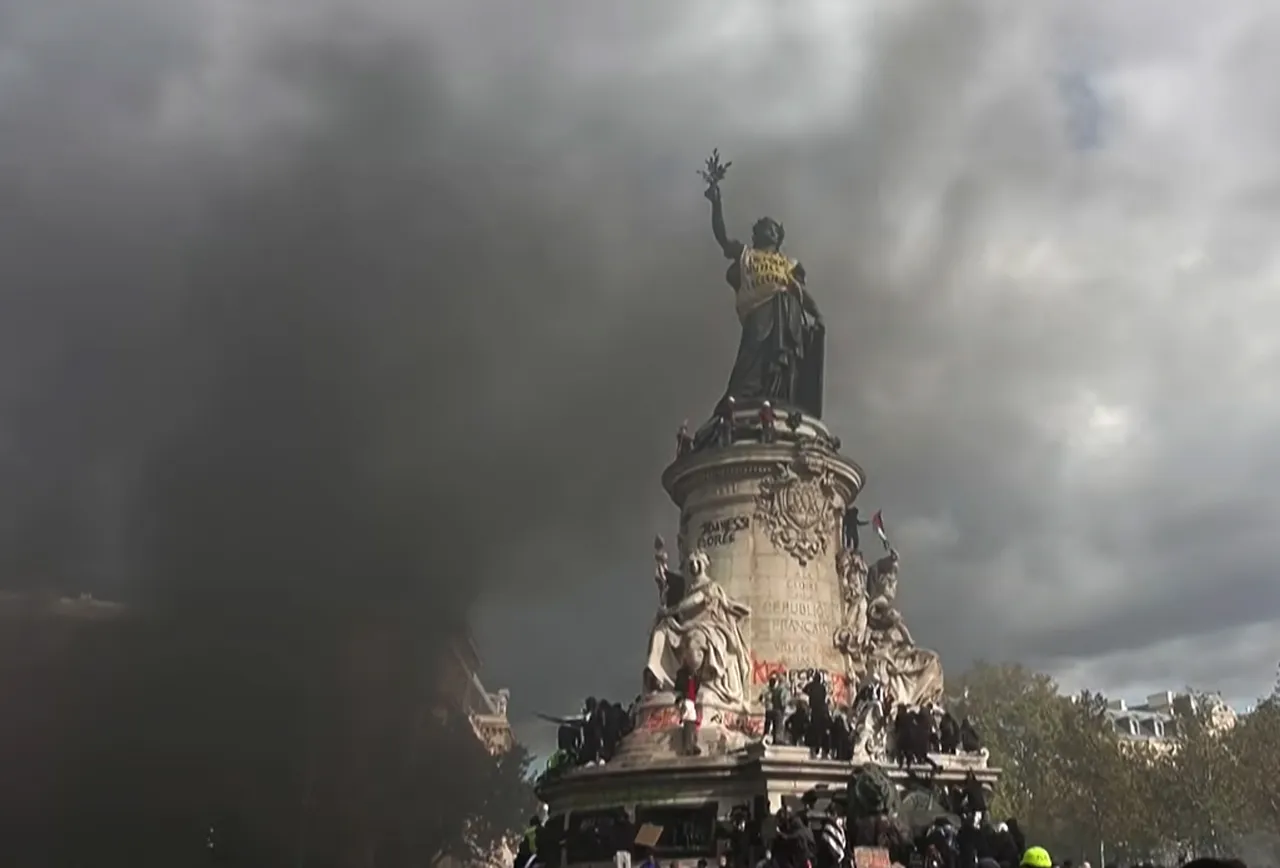

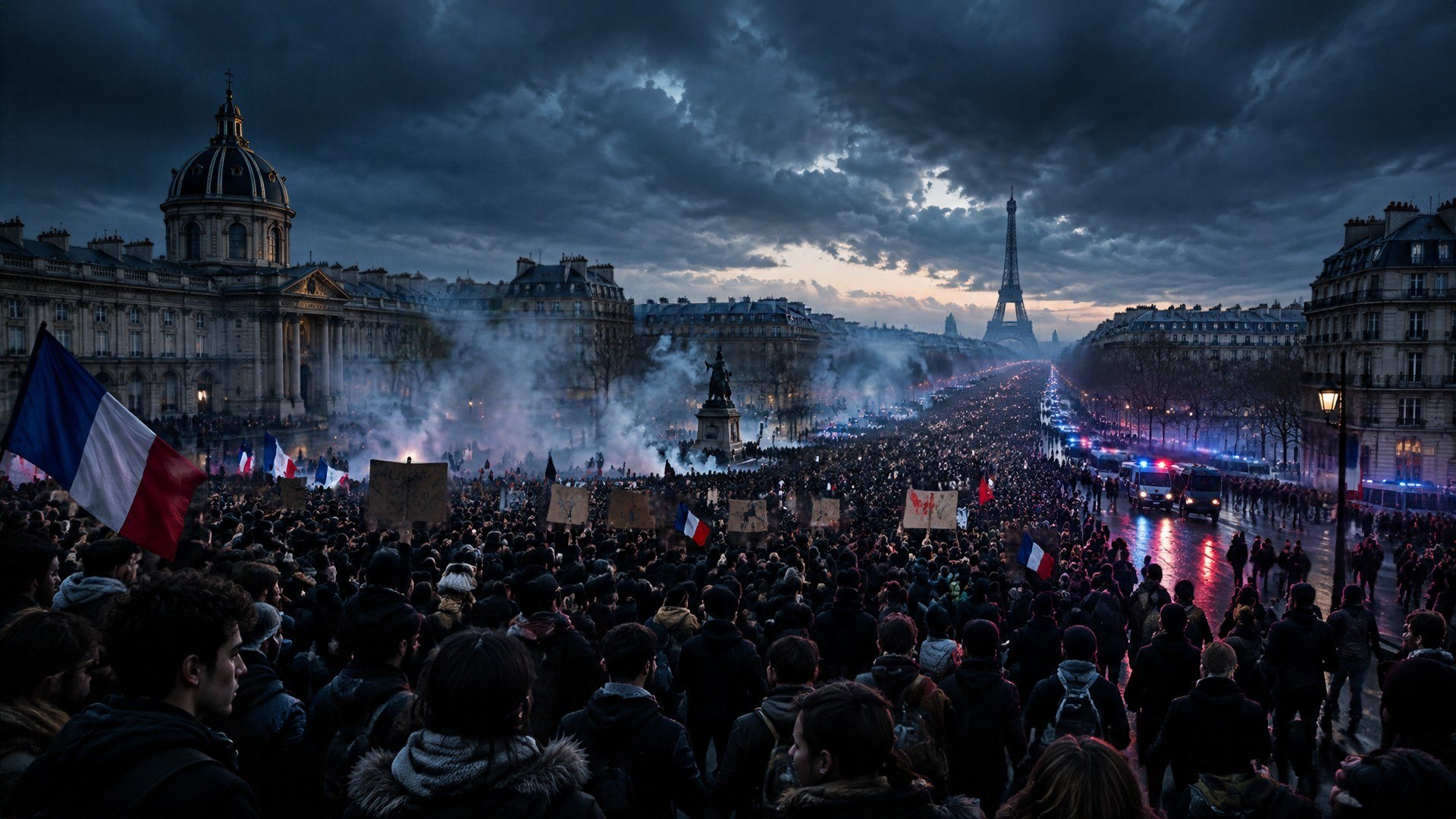



Not only have major protests arisen in Morocco, but also in other nations such as: Nepal, Madagascar, Peru, Algeria and Kenya, as is evident, most of the nations mentioned belong to the African continent, this is perfectly understandable, since 60% of the population in Africa ranges between 15-35 years of age, it is the continent with the largest youth population on the planet, a reality that is far from Europe for example. The opulent and aging First World, in contrast to the poor Third World overflowing with youth, two different realities, different problems and needs, this is important because it opens the way for the next analysis and conclusions.
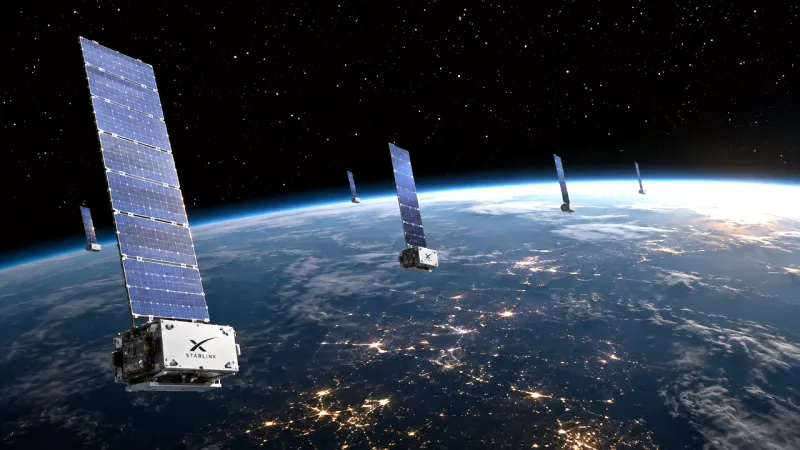
All the revolts mentioned are located in what is called “THE GLOBAL SOUTH” developing countries, whose young people have the same needs, the same demands but also have the same tools, SOCIAL NETWORKS. A particularity in the organization of these popular insurrections is that there are no leaders or caudillos, the unifying element is the social networks, perhaps in some way some “influencer”, we see then that the causes continue to mobilize and a lot.
A question necessarily arises after what has been exposed and analyzed, Can these social explosions be exported to the north?
What is happening in the global south cannot be compared with the demands that are presented in the north, because on the one hand in the Global South there are demands for structural changes, that is, better living conditions and a better future, while in the north there is an older society, the demands go through immaterial issues such as environmental issues, gender ideology, abortion, feminism, etc. Therefore we see how the causes and motives of popular action are different between the north and the south, different realities, different needs.
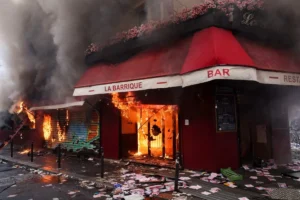
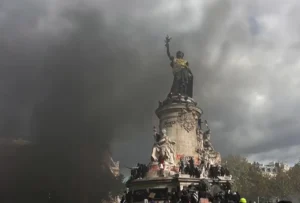
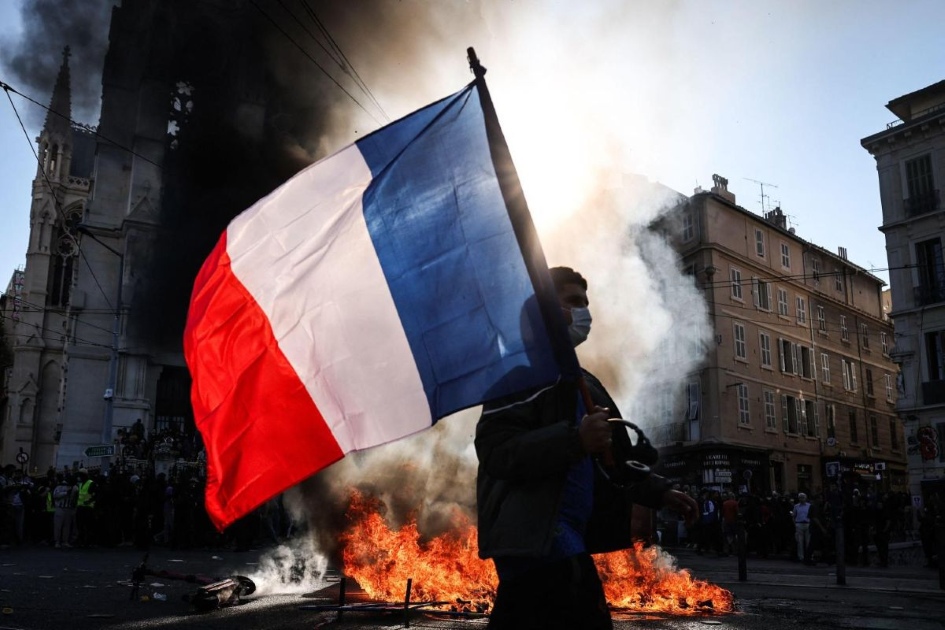
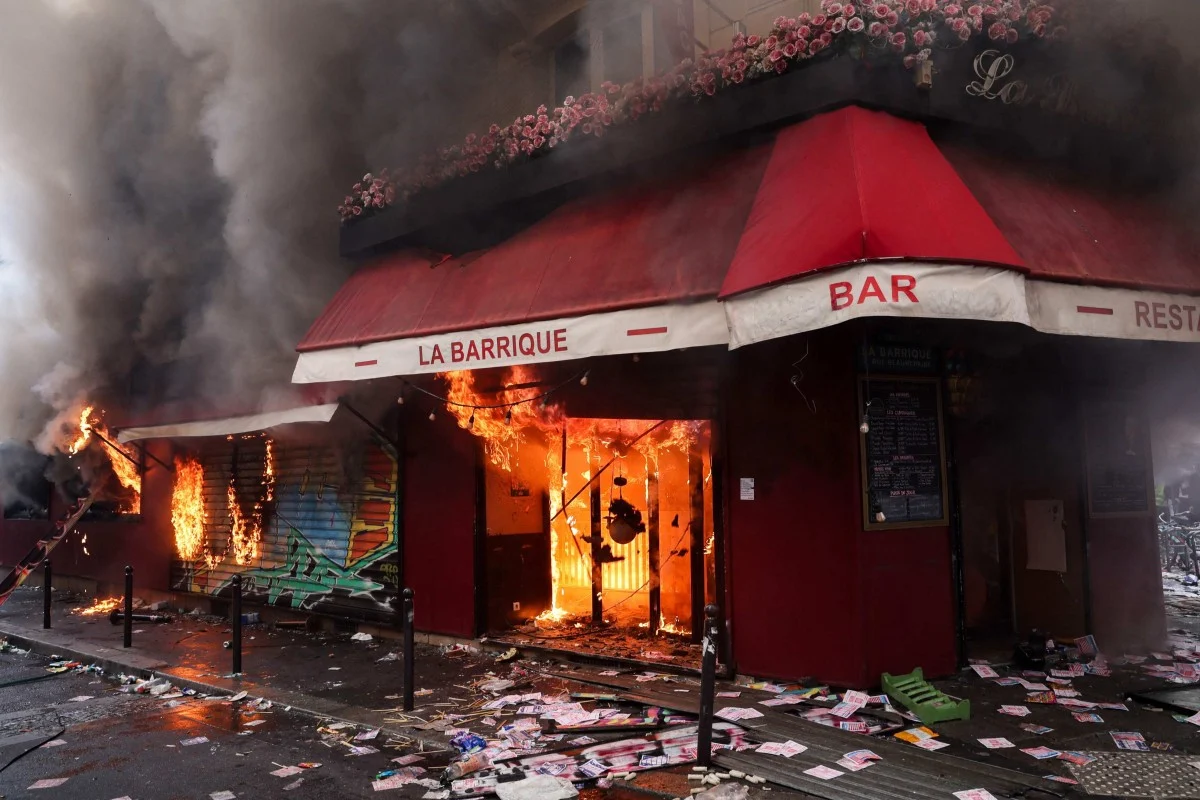
European economies today are not as robust and growing as they were a couple of decades ago, although in general their living conditions are still far superior to the vast majority of nations in the Global South, a gradual change and deterioration is already being felt, as has been seen in France and other parts of Europe. There have been very strong protests demanding respect for acquired rights, economic and social issues. What happens in the SOUTH should perhaps be taken as a warning to the NORTH.
The world is going through a change of economic regime, going from Industrial Capitalism to Digital Financial Capitalism, today’s world is not the same as it was thirty years ago, with the internet, massive access to information and the power of social networks have forever changed the traditional way of relating between subjects, the masses with their governments.