
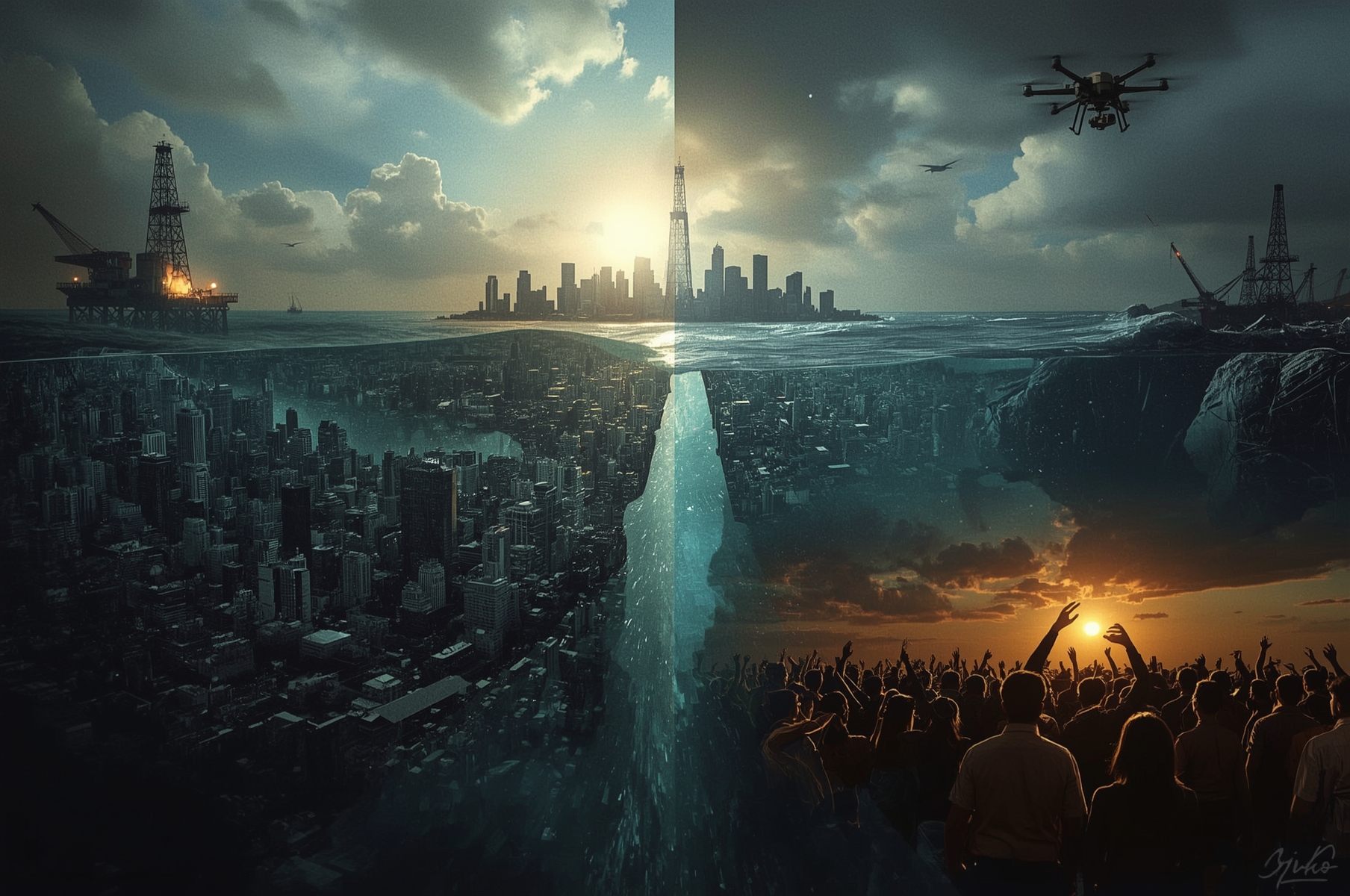
To speak today of Venezuela is to speak of a country suspended in time. The crisis did not disappear: it was transformed. It no longer grabs global headlines as it used to, but it continues to be the mirror where the limits of international politics and the fractures of the new multipolar order are projected. The Caribbean, militarized after the symbolic Trump-Putin meeting in Alaska, is once again the scene of tension. However, it is unclear whether Washington has the interest or the real capacity to execute a military intervention on Caracas. And perhaps that doubt is already an answer.
The era of interventions for democracy is behind us. The United States, worn down by open fronts in Ukraine, the Middle East and Asia-Pacific, faces strategic overload. His policy towards Venezuela is now pragmatic: contain the collapse, avoid new waves of migration and stop the advance of China and Iran. The rest is administered. The priority is damage control.
Nicolás Maduro has survived sanctions, isolation and humanitarian crisis, consolidating a hybrid power: military, business and criminal. His regime is not only authoritarian, it is a mafia structure that maintains its control through the Armed Forces, illicit financing and the systematic destruction of the opposition.
In this scenario, loyalty is not bought with ideology, but with participation in the profits of smuggling, drug trafficking and repression. The opposition has been infiltrated and divided, but there is still hope for change within it. Even winds of renewal are blowing. There were mistakes everywhere, but there are also revisions and rethinking everywhere. There are new generations of young people who are really propelling new stages for Venezuela.
On the international level, Maduro no longer has the enthusiasm of his allies. The regime’s criminal structure has contaminated the borders and exported crises. Russia and China, although less active, maintain a foothold in Caracas as a geopolitical expression.
Iran, on the other hand, has increased its energy and military support. Brazil and Colombia adopt more nuanced positions: Lula seeks to normalize without legitimizing; Petro aspires to mediate, but without real impact. The European Union, divided and fatigued, oscillates between sanctions and negotiations.
A large-scale U.S. military intervention is unlikely. But another thing is the surgical deployment, the infiltrations, the psychological pressure and the irregular war. The United States could act from within, seeking to erode loyalties within the Venezuelan military.
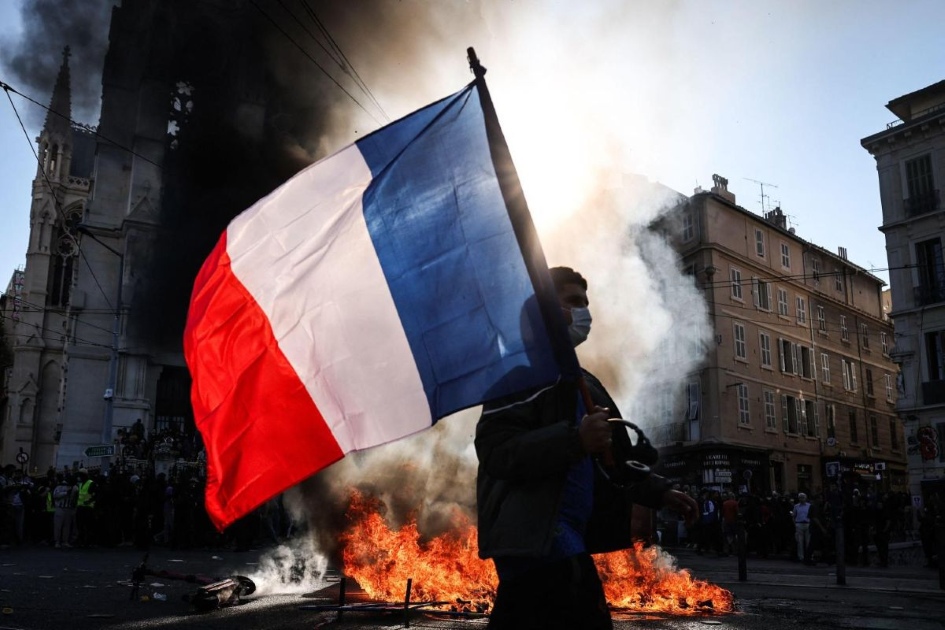
Who is harnessing france’s anger?
Parties, foreign networks, organised rioters, the State: everyone is seizing the movement, no one is answering it. Some kinds of anger…

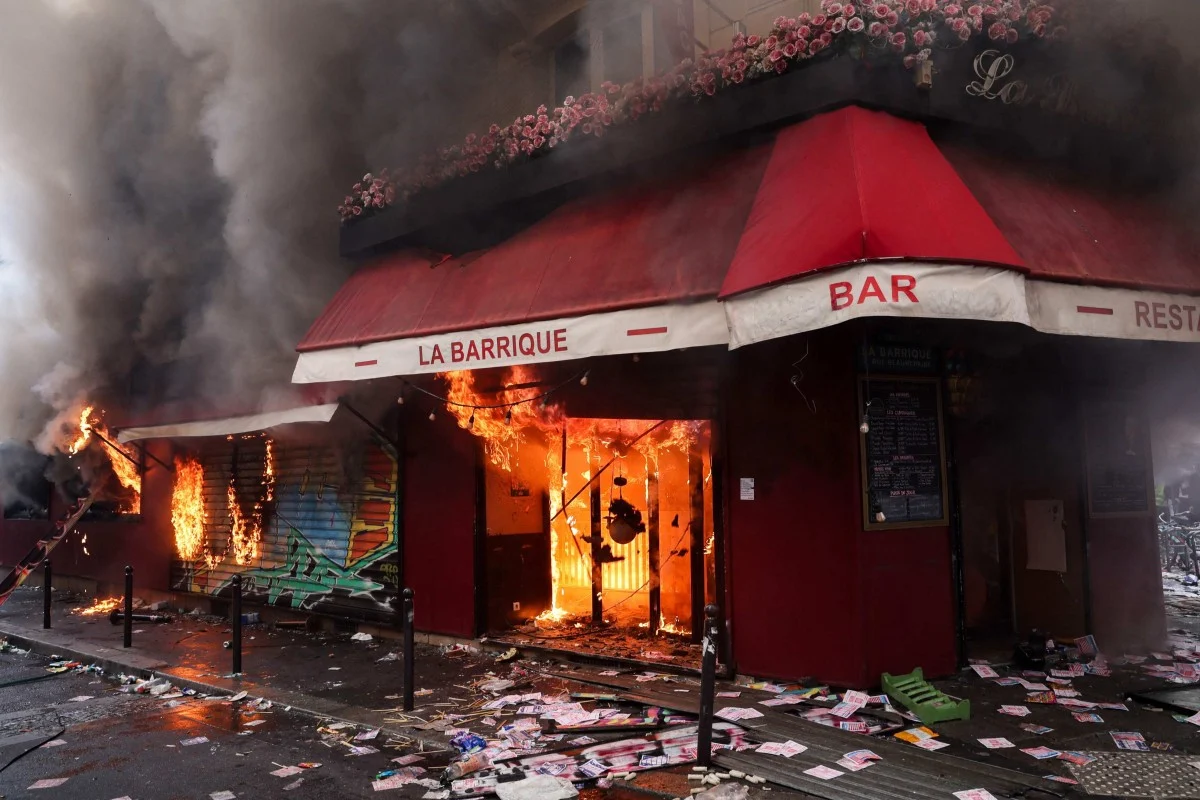
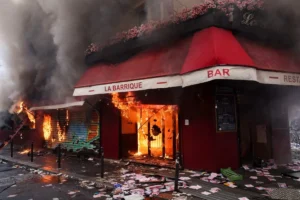
France between chaos and flames
1. Introduction: The Dantesque Scenario as a Diagnostic Moment On 17–18 October 2026, France experienced what foreign observers immediately recognised as…

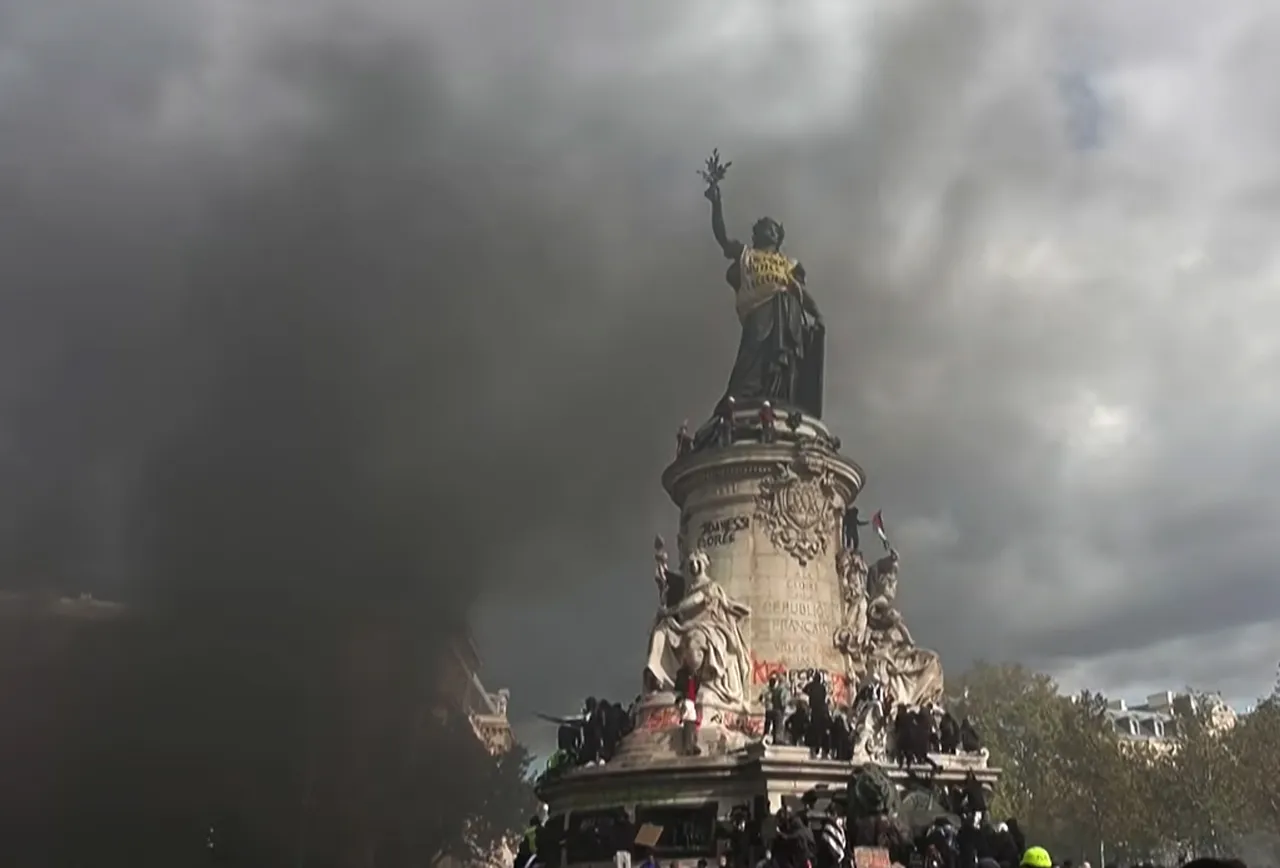
The student factor and the massive social protests in the
To understand what is happening, it is enough to make a simple political reasoning. 2027 represents a crucial electoral appointment for…

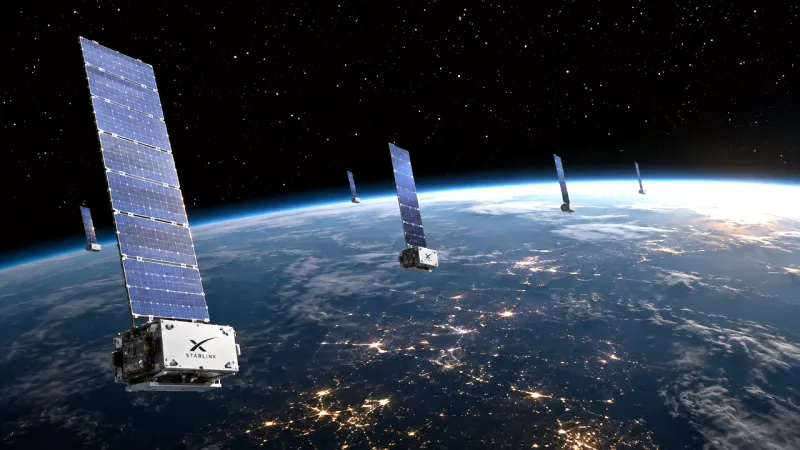
The decisive moment in the war of Ukraine is approaching
We have become accustomed to analysing the war in Ukraine through the prism of ground battles, calculating gains in square…

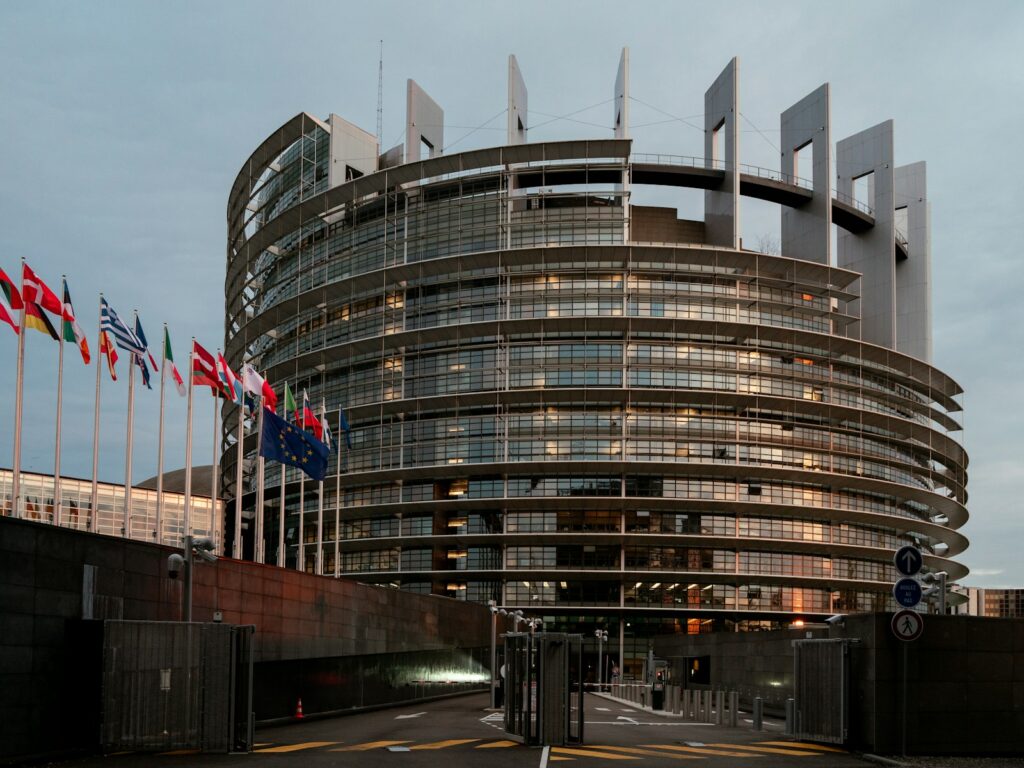
EU budget dispute sharpens
Brussels is experiencing its most uncertain hours since the creation of the European project. The negotiations to define the 2028-2034…

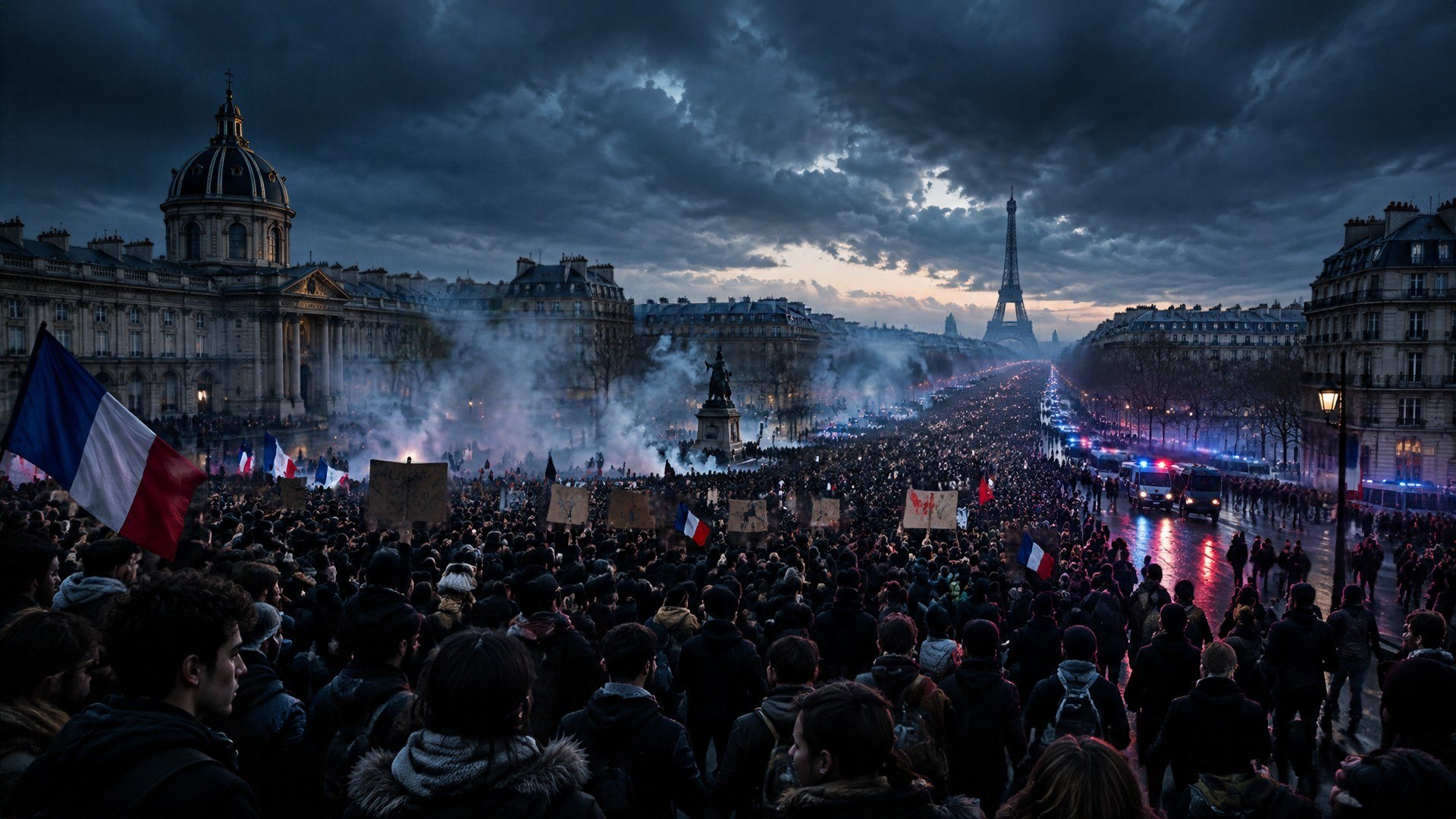
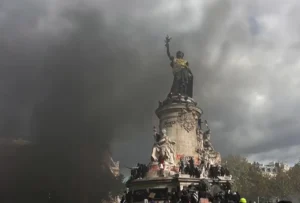
Student protests, Marine Le Pen and the decline of the
The student mobilization in France, which began on September 17 at the Saint-Exupéry de Créteil high school, located on the…

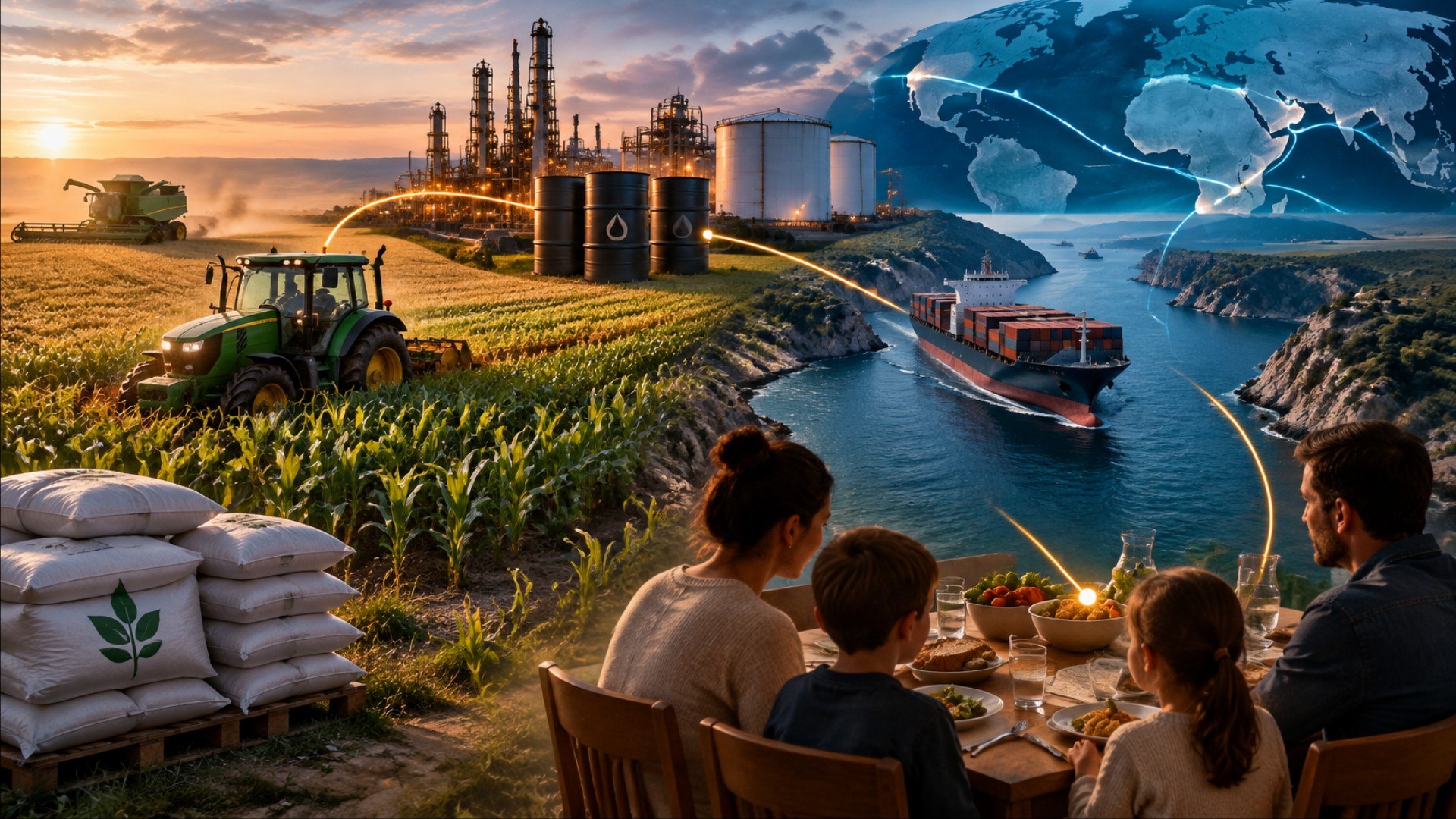
Food Crisis in 2027? From Diesel to the Dinner Table
A food crisis can begin far from the fields: at an attacked refinery, with a delayed fertilizer shipment, or along…

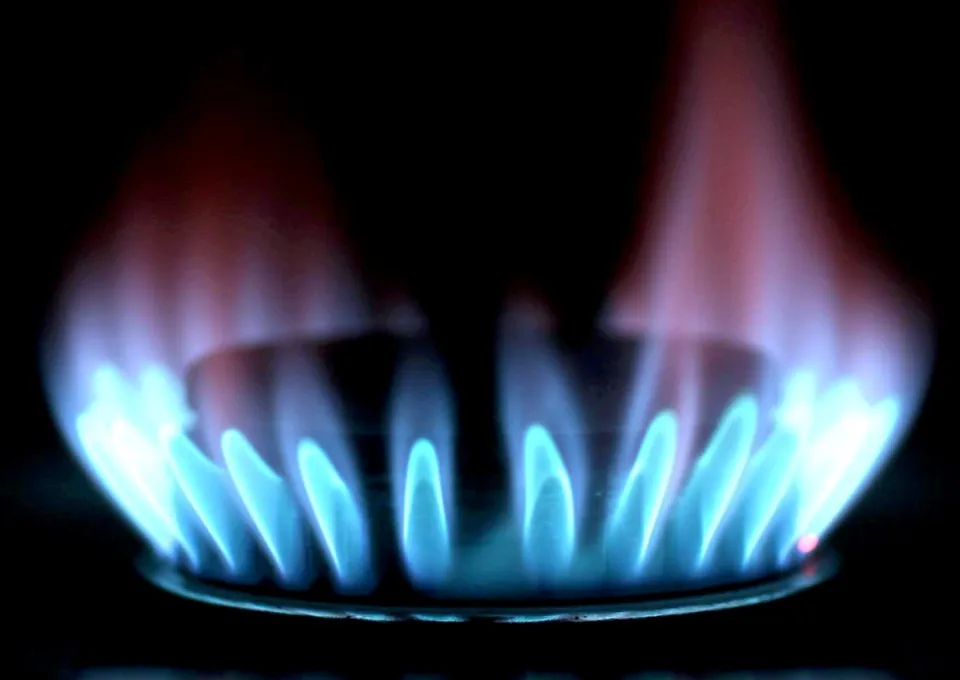
The UK is at risk of running out of gas
Clearly, the United Kingdom is going through a systemic crisis that is becoming deep and, according to the available evidence,…

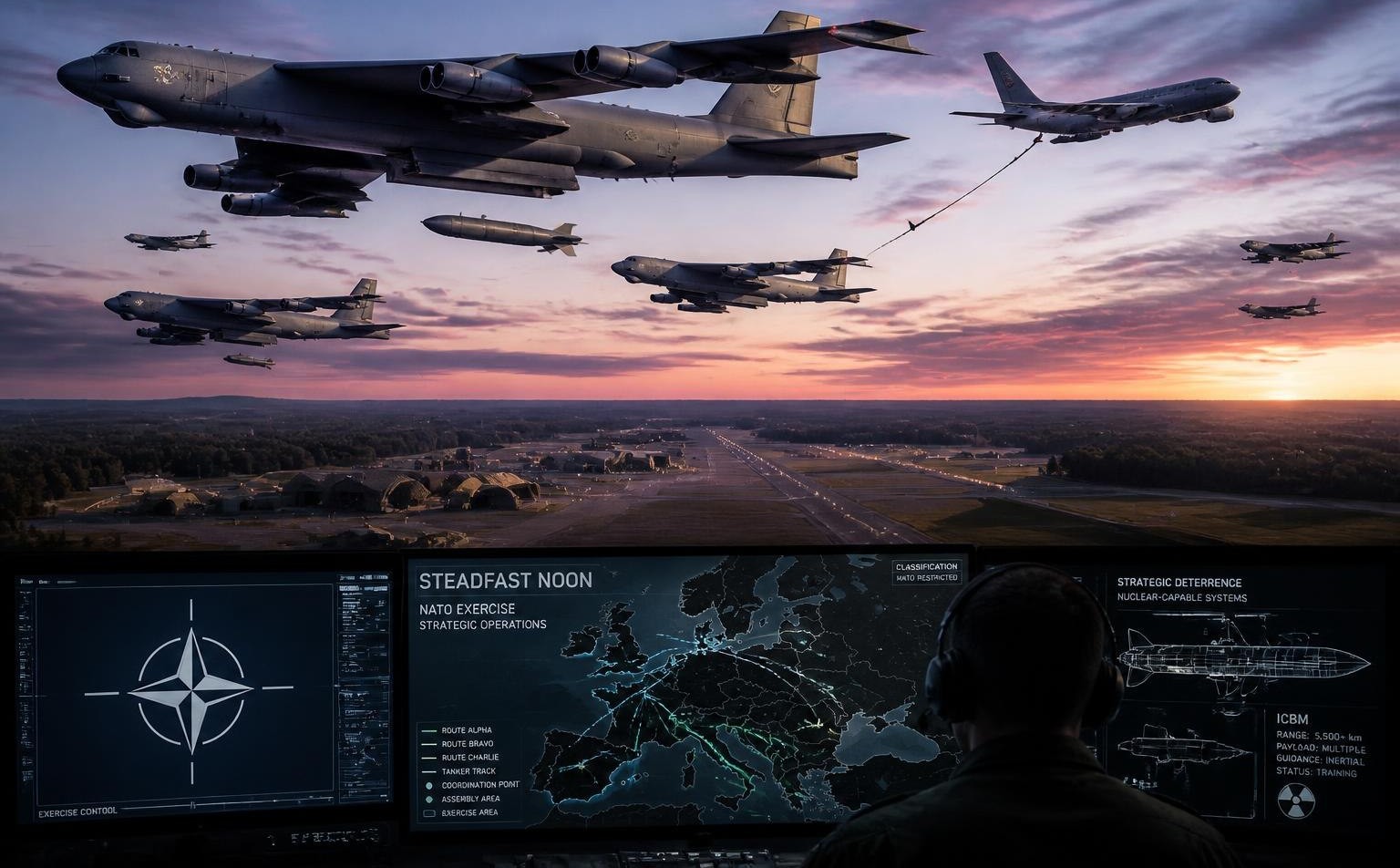
NATO fireworks
As in previous years, for ten days, starting on October 13, this time with Italy as the host country, NATO…

Meanwhile, the Caribbean is the silent chessboard where the pieces move. The threat is not only smuggling or drugs: it is the exportación regional de una a low-intensity dictatorship, sustained by fear, fragmentation and social resignation.
The ruling party trumpets the usual tactics to maintain the status quo and requests new aid from its external partners, while the main opposition leadership speaks of a 100-hour, 100-day plan to take power. The fate of Venezuela will not be decided outside, but within itself.
It may sound audacious, but it reflects a deep conviction: there is a citizenry that has not yet given up on its country. Because in this new phase of power, together with the very balance of the hemisphere, the fate of Venezuela is at stake

One Response
excelente desarrollo de una realidad que le pega al todo el continente . otra ves Lucy de Pa blos nos sorprende con su capacidad analítica.