

Introduction: The New Frontier of Power
In an era where data flows faster than currency and algorithms make decisions that shape millions of lives, the concept of sovereignty has transcended physical borders. Digital sovereignty—the ability of nations to exercise control over their digital infrastructure, data, and technological destiny—has emerged as the defining battleground of 21st-century geopolitics. At the heart of this transformation lies artificial intelligence, a technology so powerful that it threatens to redraw the global power map as dramatically as nuclear weapons did in the previous century.
The convergence of AI and geopolitics represents more than a technological evolution; it signifies a fundamental restructuring of how nations project power, protect their citizens, and compete in the international arena. As we stand at this threshold, understanding the intricate relationship between digital sovereignty and artificial intelligence becomes not just important but essential for anyone seeking to comprehend the future of international relations.

Understanding Digital Sovereignty in the AI Age
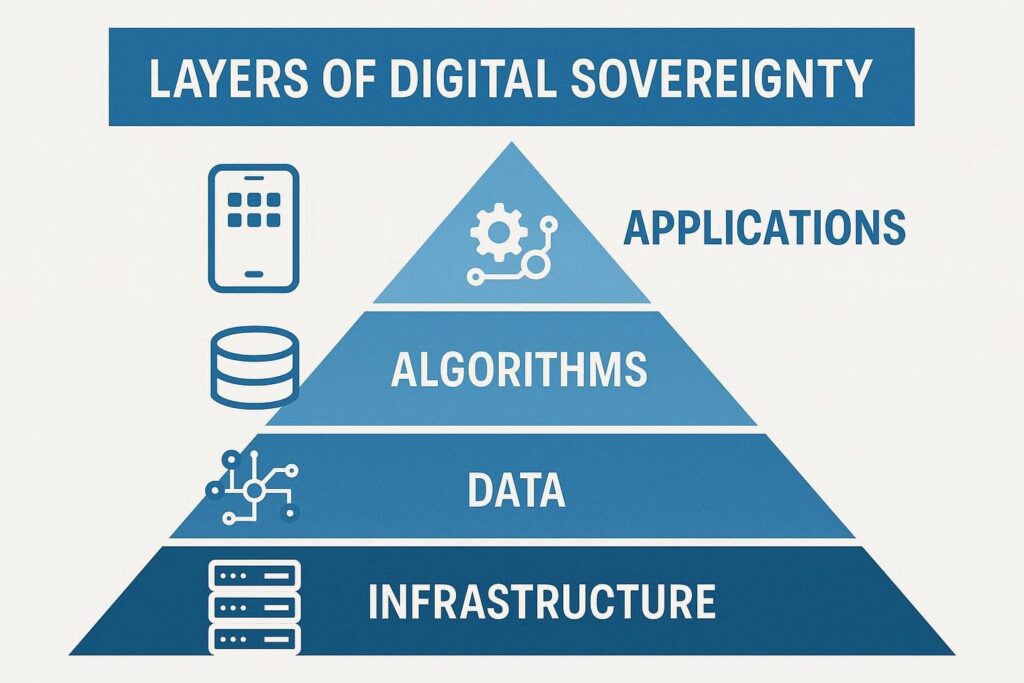
Digital sovereignty encompasses a nation’s right and capacity to govern its digital ecosystem independently. This includes control over data infrastructure, technology standards, cybersecurity protocols, and increasingly, artificial intelligence capabilities. Unlike traditional sovereignty, which focused on territorial integrity and political independence, digital sovereignty operates in a borderless realm where code, algorithms, and data centers become the new territories to defend.
The advent of artificial intelligence has amplified the stakes exponentially. AI systems don’t just process data—they create value, generate insights, make autonomous decisions, and increasingly, shape the economic and social fabric of nations. Countries that control advanced AI technologies gain disproportionate influence over global affairs, from economic competitiveness to military superiority and soft power projection.
Consider the fundamental asymmetry: a nation dependent on foreign AI infrastructure essentially outsources its decision-making capacity to external actors. This dependency creates vulnerabilities that extend far beyond cybersecurity concerns. It affects everything from healthcare systems relying on diagnostic AI to financial institutions using algorithmic trading, from urban planning powered by predictive analytics to national defense systems incorporating autonomous weapons.
The Global AI Power Dynamics
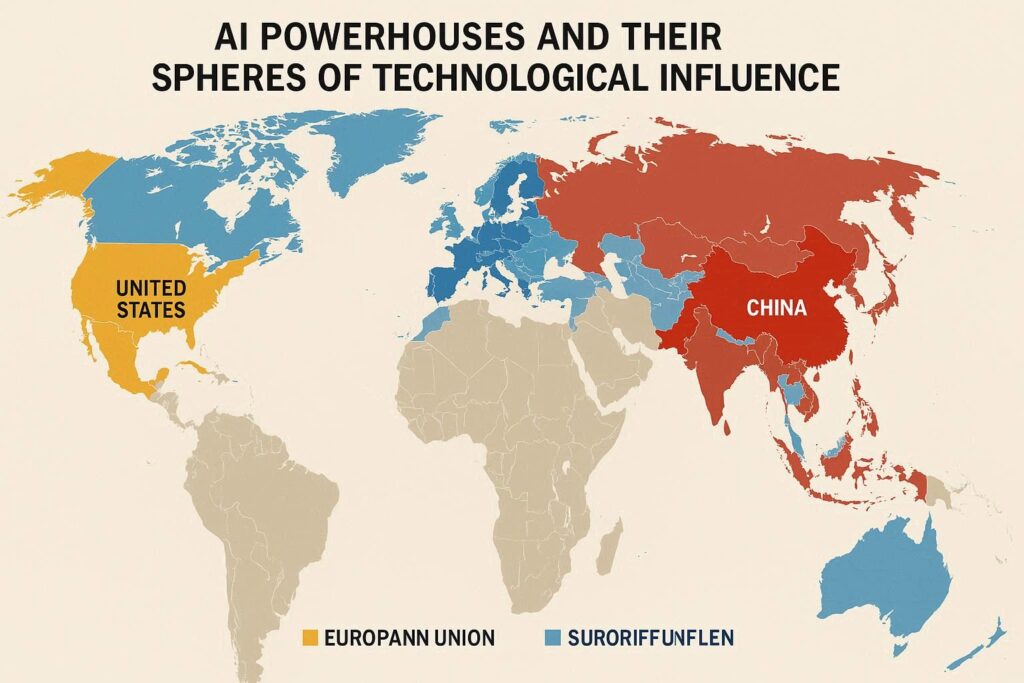
The geopolitical landscape of artificial intelligence is characterized by intense competition among major powers, each pursuing distinct strategies to achieve technological supremacy. The United States, leveraging its dominant tech corporations and innovative ecosystem, has long maintained leadership in AI research and deployment. Companies like Google, Microsoft, and OpenAI have produced breakthrough technologies that set global standards and create dependencies worldwide.
China has emerged as a formidable challenger, pursuing an ambitious national strategy that combines massive state investment, access to unprecedented amounts of data, and integration of AI across all sectors of society. The Chinese approach to AI development is inseparable from its broader vision of technological self-sufficiency and global influence. Through initiatives like the “New Generation Artificial Intelligence Development Plan,” China aims to become the world’s primary AI innovation center by 2030.
The European Union has charted a different course, emphasizing regulatory frameworks and ethical AI development. Through legislation like the AI Act, Europe seeks to establish itself as the global standard-setter for responsible AI governance, even if it lags in pure technological development. This “Brussels Effect” attempts to leverage regulatory power to influence global AI norms, much as GDPR did for data protection.
Meanwhile, emerging economies face a stark choice: align with one of these technological blocs or attempt to build indigenous capabilities despite resource constraints. India, Brazil, and several African nations are developing their own AI strategies, seeking pathways that balance innovation with sovereignty while avoiding complete dependence on foreign technology.
Data as the Currency of Sovereignty
At the foundation of AI capability lies data—the raw material that trains algorithms and enables machine learning. Data sovereignty, therefore, becomes a critical subset of digital sovereignty. Nations increasingly recognize that allowing unrestricted data flows to foreign jurisdictions means surrendering a strategic resource that powers the economy of the future.
This realization has triggered a global wave of data localization requirements and restrictions on cross-border data transfers. Countries from Russia to Indonesia have implemented laws mandating that certain types of data be stored within their territorial boundaries. While such measures aim to protect sovereignty, they also fragment the internet, create compliance burdens for international businesses, and potentially slow innovation by limiting the data pools available for AI training.
The tension between data sovereignty and the inherently global nature of digital services creates complex dilemmas. How can nations protect their citizens’ data and maintain strategic control while participating in the global digital economy? How can they ensure that AI systems making critical decisions about their citizens aren’t black boxes controlled by foreign entities?
These questions become even more urgent when considering sensitive sectors. Health data, for instance, can train AI systems that revolutionize medicine, but it also reveals intimate details about populations. Financial data powers fintech innovation but exposes economic vulnerabilities. Surveillance data enhances public safety but enables authoritarian control. Each nation must navigate these trade-offs while establishing its own balance between openness and control.

Infrastructure Independence: The Hardware Challenge
Digital sovereignty in the AI age cannot be achieved through software alone. The physical infrastructure—semiconductors, data centers, undersea cables, satellite networks—forms the bedrock upon which AI capabilities are built. This hardware layer has become a primary arena for geopolitical competition, with nations recognizing that dependence on foreign technology creates strategic vulnerabilities.
The semiconductor industry exemplifies these dynamics perfectly. Advanced AI systems require cutting-edge chips that only a handful of companies can produce. Taiwan’s TSMC manufactures the majority of the world’s most sophisticated processors, creating a concentration of power that has become a geopolitical flashpoint. The United States’ efforts to restrict China’s access to advanced chip technology through export controls represent one of the most significant technological containment strategies since the Cold War.
Nations are responding by investing billions in domestic chip manufacturing. The U.S. CHIPS Act, the EU’s European Chips Act, and China’s semiconductor self-sufficiency initiatives all reflect the same imperative: reducing dependence on potentially adversarial suppliers for critical AI infrastructure. Yet building competitive semiconductor industries requires decades of sustained investment, specialized expertise, and complex supply chains that currently span the globe.
Beyond chips, cloud computing infrastructure represents another sovereignty challenge. Most of the world’s AI processing happens in data centers operated by American or Chinese companies. Nations seeking true digital sovereignty must decide whether to build their own cloud infrastructure—a tremendously expensive proposition—or accept dependence on foreign platforms while implementing strong regulatory safeguards.

The worsening of the situation in France
What is the origin of the discontent? The wallet of the French. In a recent study commissioned by the renowned…


Who is harnessing france’s anger?
Parties, foreign networks, organised rioters, the State: everyone is seizing the movement, no one is answering it. Some kinds of anger…


France between chaos and flames
1. Introduction: The Dantesque Scenario as a Diagnostic Moment On 17–18 October 2026, France experienced what foreign observers immediately recognised as…


The student factor and the massive social protests in the
To understand what is happening, it is enough to make a simple political reasoning. 2027 represents a crucial electoral appointment for…


The decisive moment in the war of Ukraine is approaching
We have become accustomed to analysing the war in Ukraine through the prism of ground battles, calculating gains in square…


EU budget dispute sharpens
Brussels is experiencing its most uncertain hours since the creation of the European project. The negotiations to define the 2028-2034…


Student protests, Marine Le Pen and the decline of the
The student mobilization in France, which began on September 17 at the Saint-Exupéry de Créteil high school, located on the…


Food Crisis in 2027? From Diesel to the Dinner Table
A food crisis can begin far from the fields: at an attacked refinery, with a delayed fertilizer shipment, or along…


The UK is at risk of running out of gas
Clearly, the United Kingdom is going through a systemic crisis that is becoming deep and, according to the available evidence,…

AI-Powered Surveillance and State Control
Artificial intelligence has profoundly enhanced states’ capacity for surveillance, raising critical questions about sovereignty, freedom, and the social contract between governments and citizens. Facial recognition systems, predictive policing algorithms, social credit systems, and comprehensive digital tracking create unprecedented tools for state monitoring and control.
Different nations approach these capabilities from vastly different philosophical foundations. Authoritarian regimes view AI-powered surveillance as essential for maintaining stability and social order, implementing systems that would be unthinkable in liberal democracies. Democratic nations face the challenge of leveraging AI for legitimate security purposes while preserving civil liberties and preventing abuse.
The export of surveillance technologies creates a new dimension of geopolitical influence. When a nation adopts another country’s surveillance infrastructure, it potentially grants that foreign power access to sensitive intelligence and creates technical dependencies that limit future policy autonomy. China’s export of its surveillance technology to numerous countries through initiatives like the Digital Silk Road illustrates how AI can become an instrument of soft power and strategic influence.
The surveillance dimension of digital sovereignty also encompasses the ability to protect citizens from foreign monitoring. Revelations about programs like PRISM demonstrated that even allied nations conduct extensive digital surveillance on each other’s citizens. In response, many countries have strengthened encryption standards, limited foreign intelligence agencies’ access to domestic networks, and developed indigenous communication platforms.
Economic Competitiveness and Technological Dependence
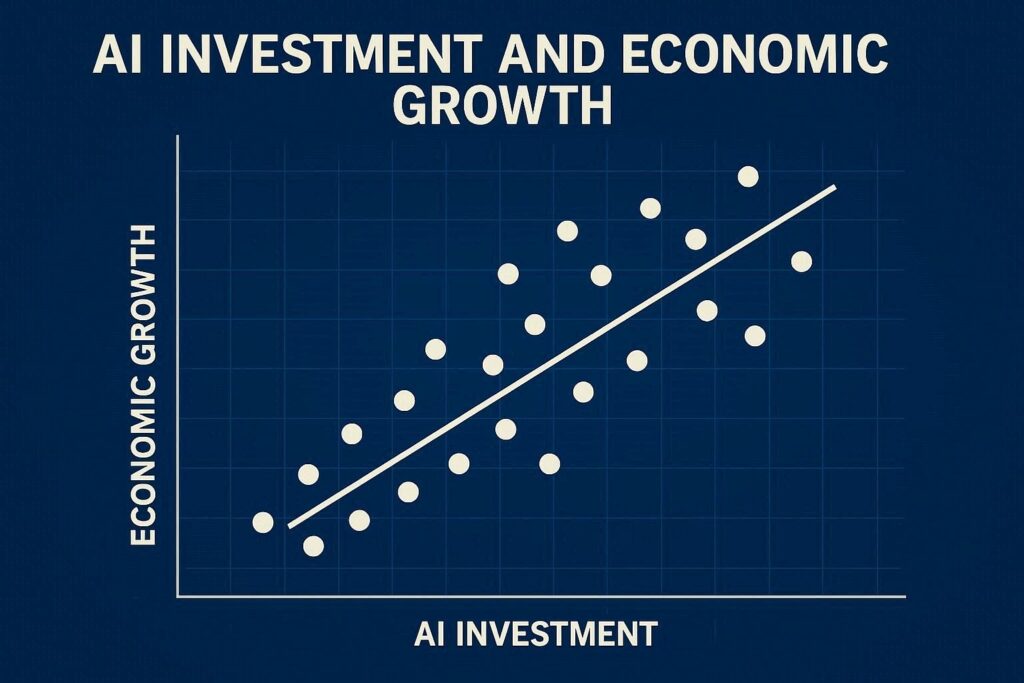
Artificial intelligence increasingly determines economic competitiveness at both corporate and national levels. AI-driven automation, predictive analytics, algorithmic optimization, and intelligent systems create efficiencies and capabilities that translate directly into economic advantage. Nations lacking advanced AI capabilities risk falling into a new form of economic colonialism where they become perpetual consumers of foreign technology rather than innovators.
This dynamic creates a “Matthew effect” in the global economy—those who have AI capabilities accumulate more advantages, while those without fall further behind. Developed nations with strong AI industries can deploy these technologies across all sectors, increasing productivity and generating wealth that funds further AI development. Meanwhile, developing nations face the double burden of lacking both the resources to develop AI and the infrastructure to deploy it effectively.
The concentration of AI development in a handful of countries also means that algorithms reflecting their cultural values, biases, and priorities get deployed globally. An AI system trained primarily on Western data may perform poorly in different cultural contexts. Recommendation algorithms optimized for engagement in one society may have harmful effects in another. This algorithmic imperialism represents a subtle but significant challenge to digital sovereignty.
Some nations are responding by developing indigenous AI industries through targeted investments, education initiatives, and policies that favor domestic technology companies. Others are forming regional technology alliances to pool resources and create counterweights to dominant players. The success of these strategies will largely determine the economic hierarchy of the coming decades.
Military Applications and Strategic Stability
The military implications of artificial intelligence represent perhaps the most consequential aspect of AI geopolitics. Autonomous weapons systems, AI-enhanced intelligence analysis, cyber warfare capabilities, and algorithmic command-and-control systems are transforming the nature of conflict. Nations that achieve decisive AI superiority may gain military advantages comparable to nuclear weapons in their strategic significance.
This reality has triggered an AI arms race among major powers. Military AI development proceeds largely in secret, making it difficult to assess relative capabilities or establish meaningful international agreements. Unlike nuclear weapons, which required obvious infrastructure and rare materials, AI capabilities can be developed more discretely and dual-use technologies blur the line between civilian and military applications.
The integration of AI into military systems raises profound questions about digital sovereignty and strategic autonomy. A nation dependent on foreign AI technologies for its defense systems essentially outsources its security to potential adversaries. This vulnerability explains why even close allies are developing independent military AI capabilities rather than relying entirely on partners.
Moreover, AI creates new attack vectors that transcend traditional warfare. Adversaries can target a nation’s AI systems directly, poisoning training data, exploiting algorithmic vulnerabilities, or deploying AI-powered disinformation campaigns that erode social cohesion. Digital sovereignty in the military domain requires not just advanced offensive capabilities but also robust defensive systems that can detect and counter AI-enabled threats.
Regulatory Frameworks and Global Governance
The governance of artificial intelligence represents a critical frontier in international relations, with profound implications for digital sovereignty. Unlike previous transformative technologies, AI develops so rapidly that regulatory frameworks struggle to keep pace. Different nations are adopting divergent approaches that reflect their values, priorities, and strategic interests.
The European Union’s AI Act represents the most comprehensive attempt to regulate artificial intelligence, establishing risk-based categories and requirements for transparency, accountability, and human oversight. This regulatory approach aims to protect fundamental rights while fostering innovation, though critics argue it may handicap European competitiveness. Nevertheless, the EU’s regulatory model may influence global standards through the Brussels Effect, particularly for companies seeking access to European markets.
China’s approach combines enabling regulations that facilitate rapid AI development with strict controls over content and applications that might threaten social stability or political control. This dual strategy allows for aggressive innovation in some domains while maintaining firm government oversight over how AI is deployed.
The United States has generally favored a lighter regulatory touch, relying more on industry self-regulation and sector-specific rules. This approach has enabled rapid innovation and maintained U.S. leadership in AI development, but concerns about bias, privacy, and safety are driving calls for more comprehensive federal regulation.
International governance mechanisms for AI remain nascent. Organizations like the OECD, UNESCO, and various UN bodies have developed principles and frameworks, but these lack enforcement mechanisms. The absence of binding international agreements on military AI, in particular, creates risks of destabilizing arms races and accidental conflicts.
The Path Forward: Balancing Sovereignty and Cooperation
As nations navigate the complex intersection of digital sovereignty and artificial intelligence, they face fundamental tensions between independence and interdependence. Complete technological autarky is neither feasible nor desirable for most countries. AI development benefits from open research, international collaboration, and the cross-pollination of ideas. Yet excessive dependence on foreign technology creates unacceptable vulnerabilities.
The path forward likely involves strategic sovereignty—maintaining independence in critical areas while cooperating where mutual benefit exists. This means identifying which AI capabilities are essential for national security and economic competitiveness versus which can be safely sourced from trusted partners or global markets.
Regional cooperation offers promising models. The European Union’s pooling of resources for AI research and development allows smaller nations to participate in cutting-edge work they couldn’t afford individually. Similarly, emerging economies might form technology alliances that collectively develop capabilities no single member could achieve alone.
International norms and standards will also play crucial roles. Even as nations compete, establishing shared principles around AI safety, transparency, and responsible use can prevent races to the bottom and reduce risks of catastrophic accidents or conflicts. The challenge lies in developing governance frameworks that respect sovereignty while enabling necessary coordination.

Conclusion: Sovereignty in the Age of Algorithms
Digital sovereignty in the age of artificial intelligence represents one of the defining challenges of our era. As AI systems increasingly mediate every aspect of modern life—from commerce to communication, from healthcare to security—the question of who controls these technologies determines not just economic competitiveness but the very nature of state power and individual freedom.
The threshold we now cross leads to a world where sovereignty cannot be understood in purely territorial terms. The ability to develop, deploy, and regulate AI becomes as fundamental to national power as control over territory, resources, or military forces once were. Nations that fail to achieve meaningful digital sovereignty risk becoming digital colonies, dependent on foreign powers for the technologies that govern their economies, societies, and futures.
Yet this need not be a purely competitive dynamic. The challenges posed by artificial intelligence—from algorithmic bias to existential risk—transcend national boundaries and require cooperative solutions. The task before the international community is to foster an environment where nations can maintain strategic autonomy while collaborating on shared challenges.
As we stand at this geopolitical threshold, the decisions made today about AI governance, development priorities, and international cooperation will shape the global order for generations to come. Digital sovereignty is not about isolation but about preserving the agency to determine one’s own technological future. In the age of algorithms, sovereignty means having a voice in writing the code that increasingly writes our collective destiny.
![Forward-looking visualization of AI-enabled future with emphasis on human agency and governance]](https://sovereignty.com.br/wp-content/uploads/2025/10/69621221-5a04-4f47-8536-154f61837a00-1024x683.jpeg)