Donald Trump often portrays himself as a president who opposes wars, favors negotiations, and seeks peaceful settlements. His political style emphasizes direct dialogue with rivals rather than endless military campaigns.
Yet, even with a president who claims to prioritize peace, the United States remains trapped in its broader geopolitical reality: it is difficult for Washington to relinquish the position it once held as the world’s unchallenged unipolar hegemon. This tension between rhetoric and structural strategy is at the heart of the Taiwan question.
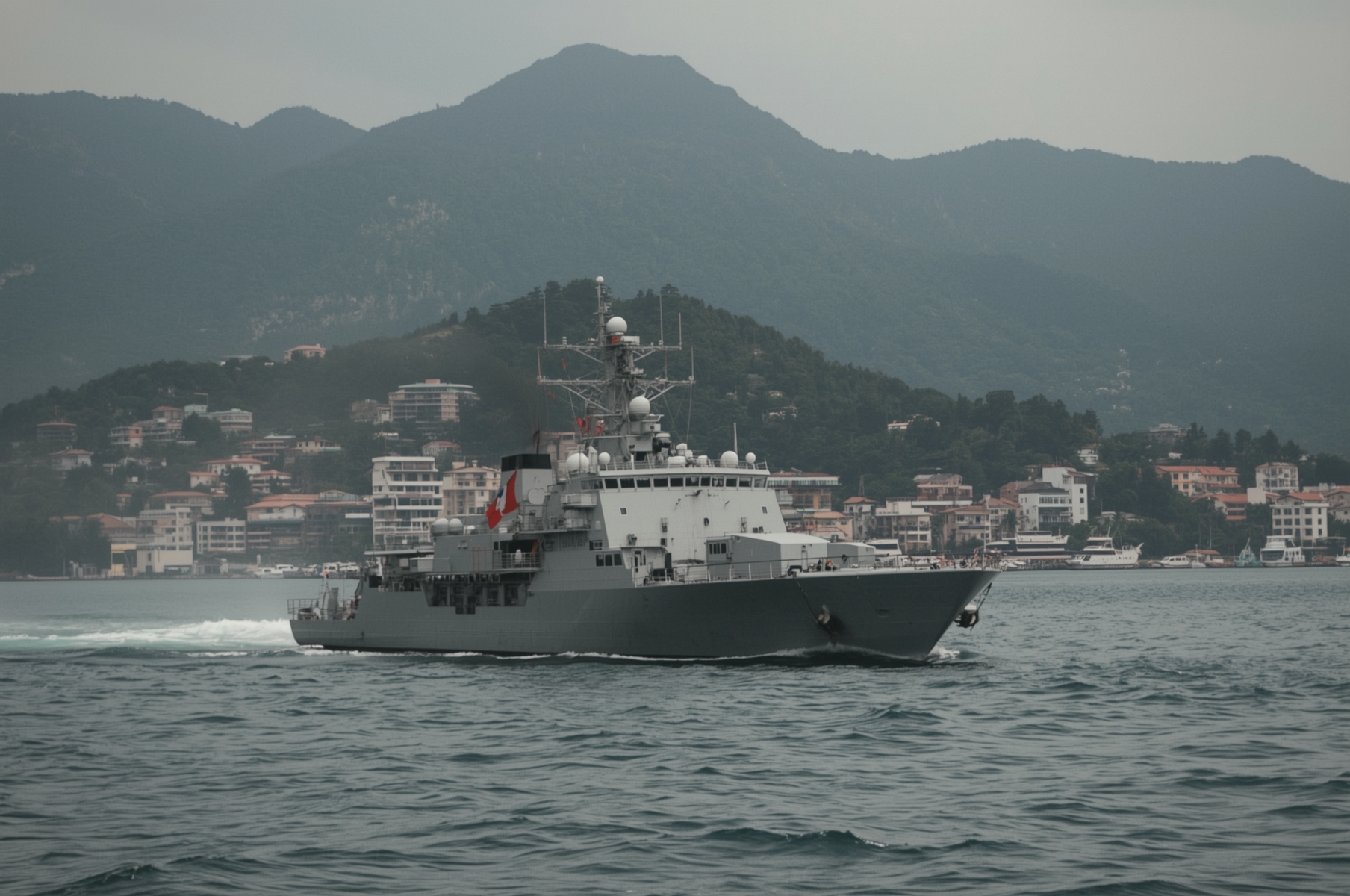
Taiwan is not just a partner for the United States. It is a strategic outpost in the Pacific, one of the few locations from which American power can effectively contain China’s rise. Without Taiwan, Beijing faces greater difficulties in projecting influence across the Pacific.
The island sits at the center of the so-called “first island chain,” a string of territories that effectively blocks China’s naval expansion into the wider ocean. For Washington, therefore, an assertive Taiwan is useful. It serves not only as a symbol of resistance to Chinese claims but also as a barrier to Beijing’s geopolitical ambitions.
This explains why, despite Trump’s apparent reluctance to engage in open conflict, the United States continues to deepen ties with Taipei. Military aid, political visits, and diplomatic statements all aim to strengthen Taiwan’s capacity to resist Chinese pressure.
From the U.S. perspective, Taiwan is more than an ally — it is a lever that ensures China cannot dominate the Pacific. As long as Washington sees itself locked in competition with Beijing for global leadership, it is unlikely to step back and allow Taiwan to reunify with the mainland.
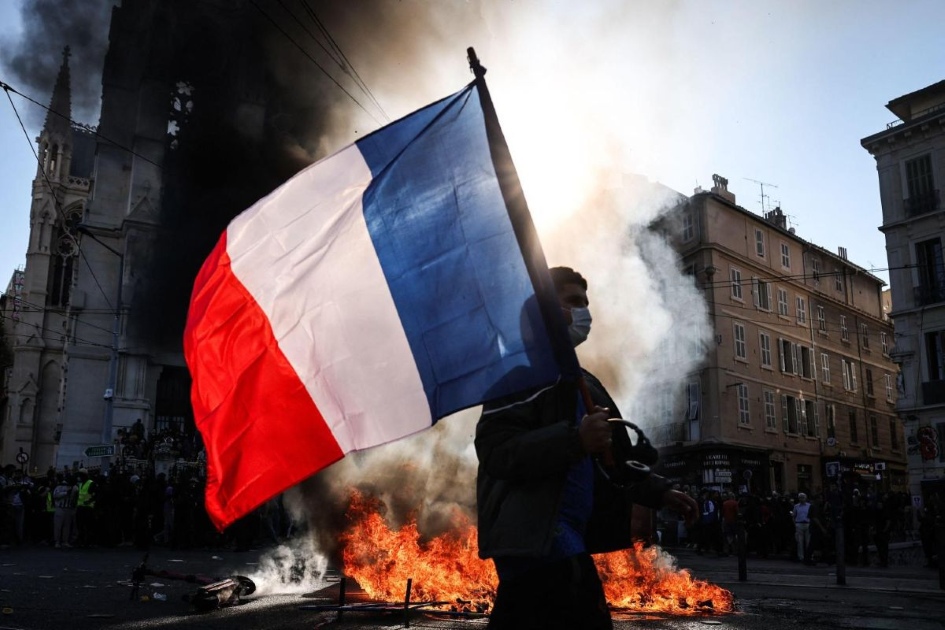
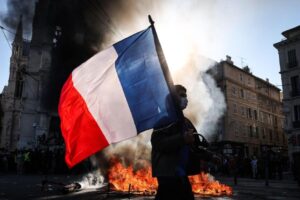
Who is harnessing france’s anger?
Parties, foreign networks, organised rioters, the State: everyone is seizing the movement, no one is answering it. Some kinds of anger…

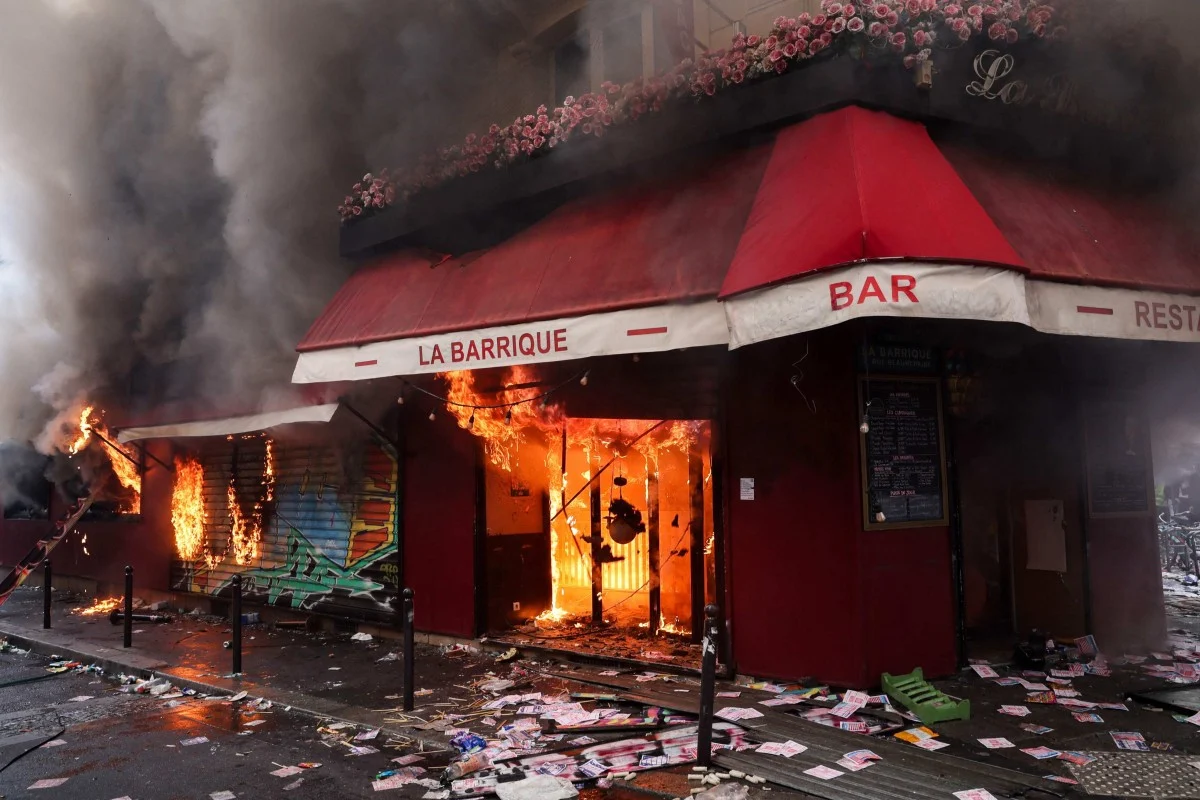
France between chaos and flames
1. Introduction: The Dantesque Scenario as a Diagnostic Moment On 17–18 October 2026, France experienced what foreign observers immediately recognised as…

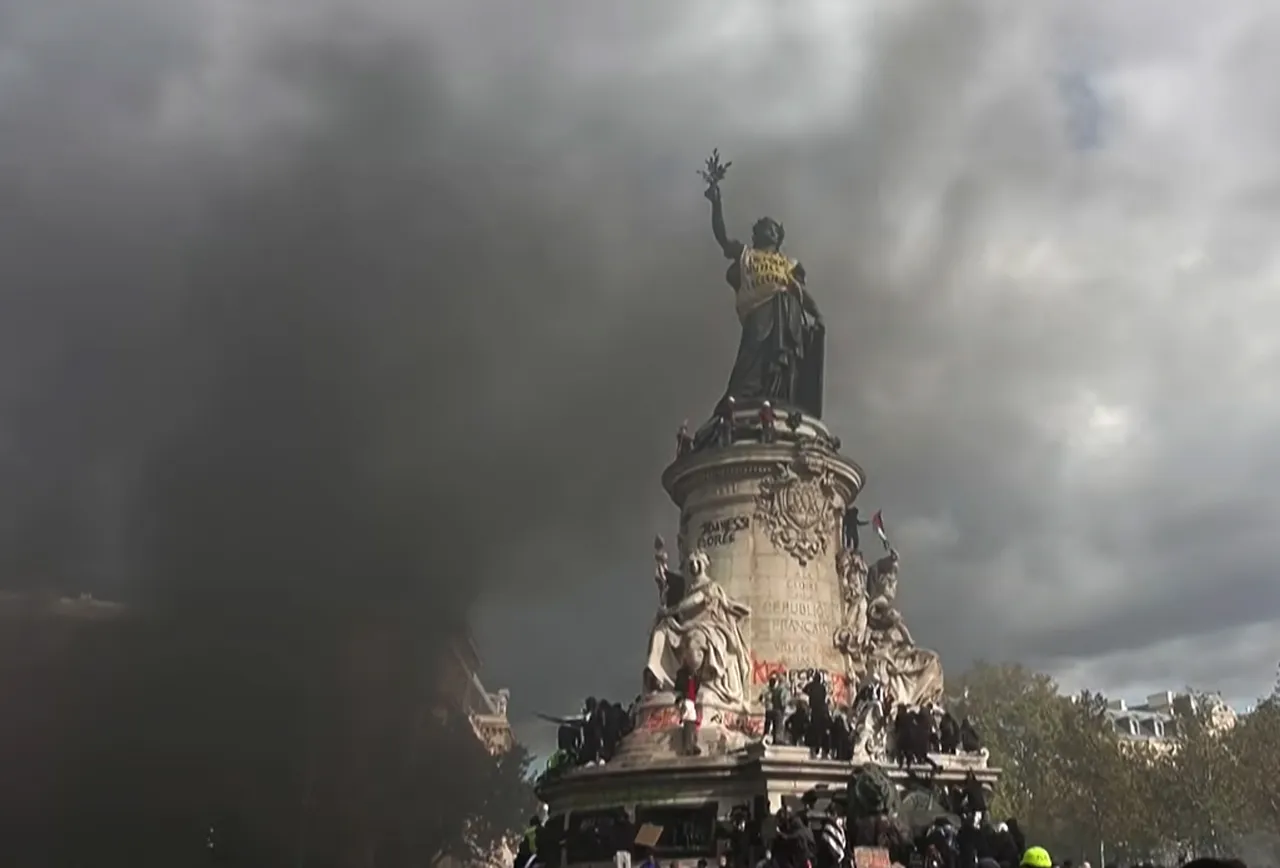
The student factor and the massive social protests in the
To understand what is happening, it is enough to make a simple political reasoning. 2027 represents a crucial electoral appointment for…

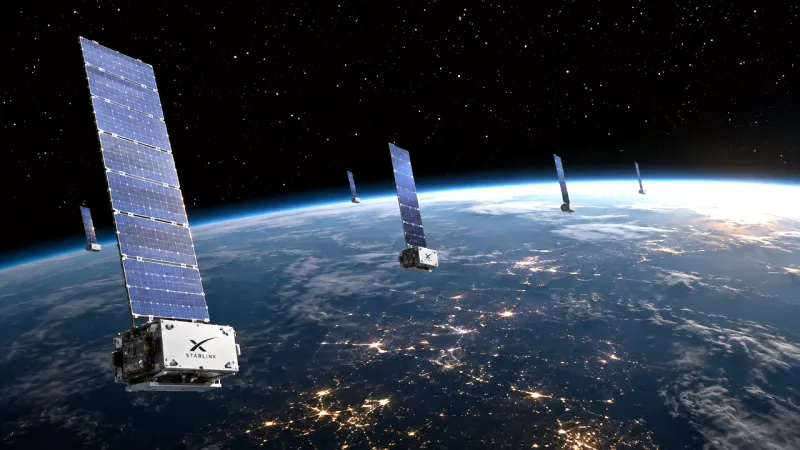
The decisive moment in the war of Ukraine is approaching
We have become accustomed to analysing the war in Ukraine through the prism of ground battles, calculating gains in square…

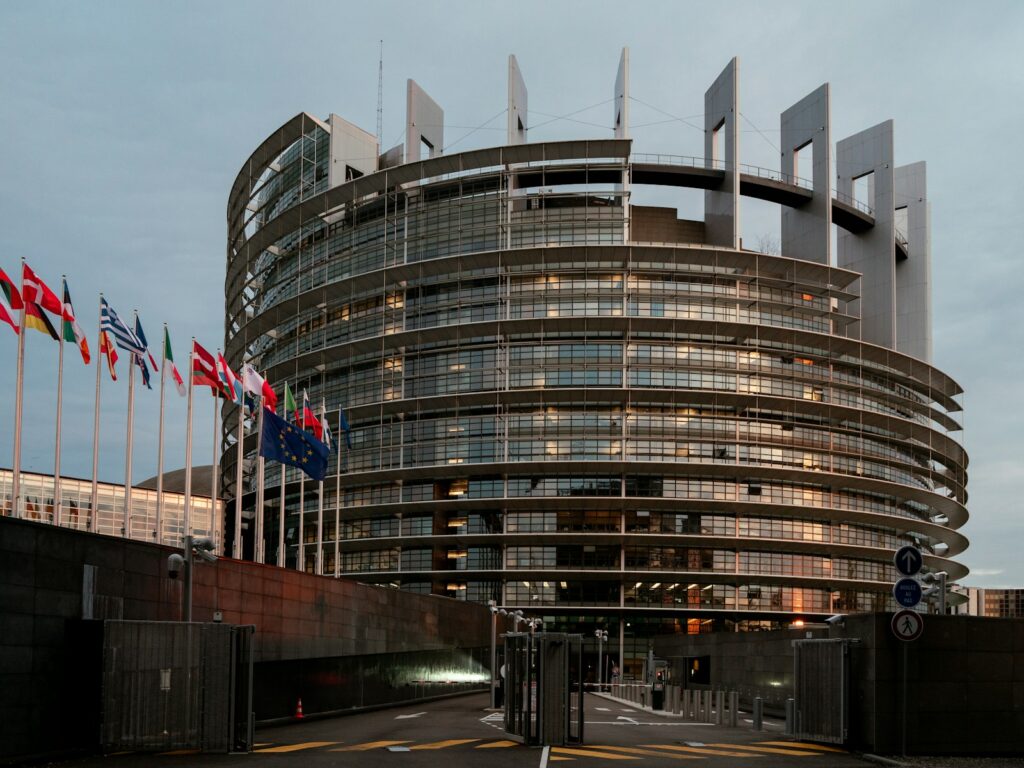
EU budget dispute sharpens
Brussels is experiencing its most uncertain hours since the creation of the European project. The negotiations to define the 2028-2034…

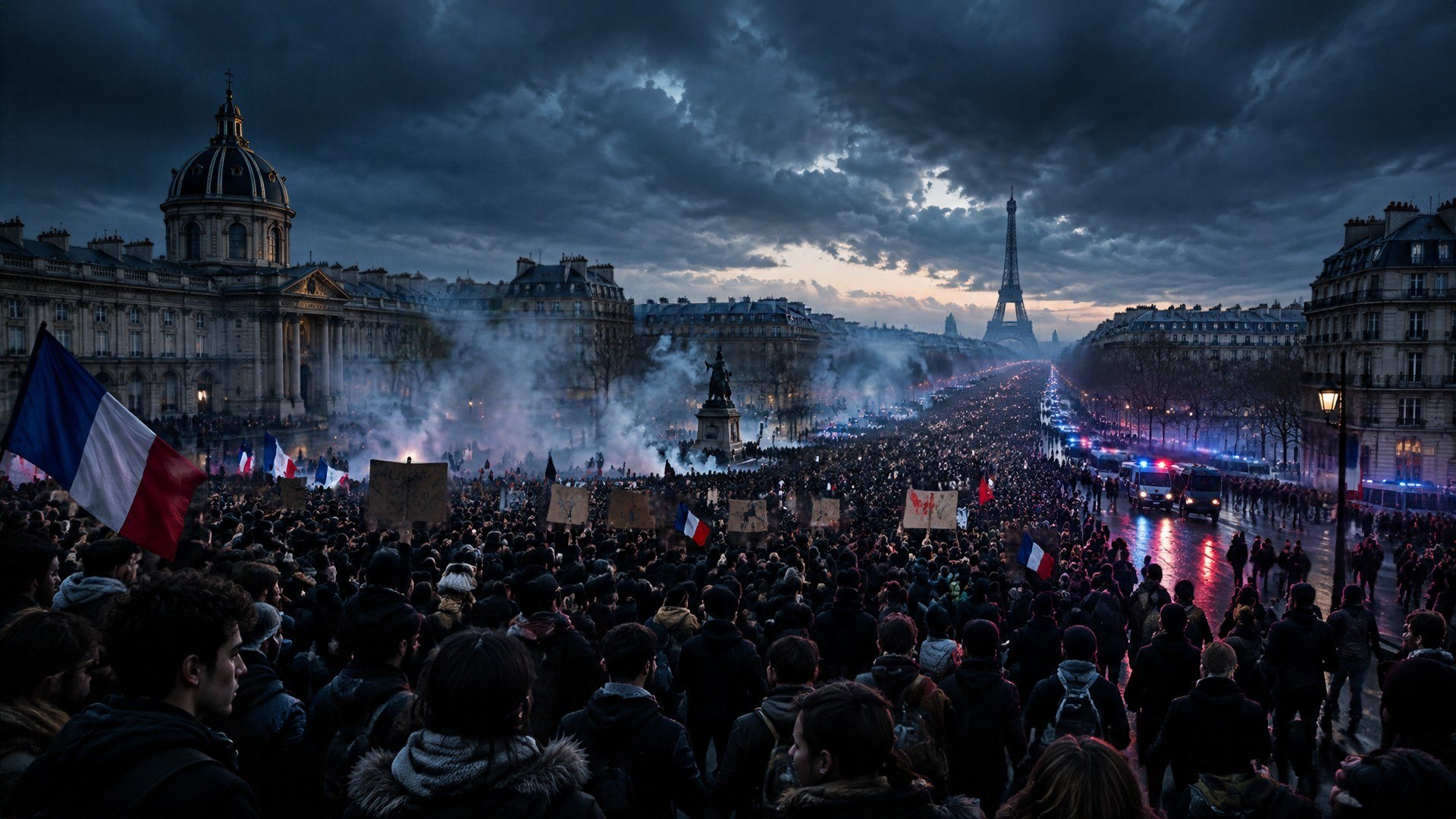
Student protests, Marine Le Pen and the decline of the
The student mobilization in France, which began on September 17 at the Saint-Exupéry de Créteil high school, located on the…

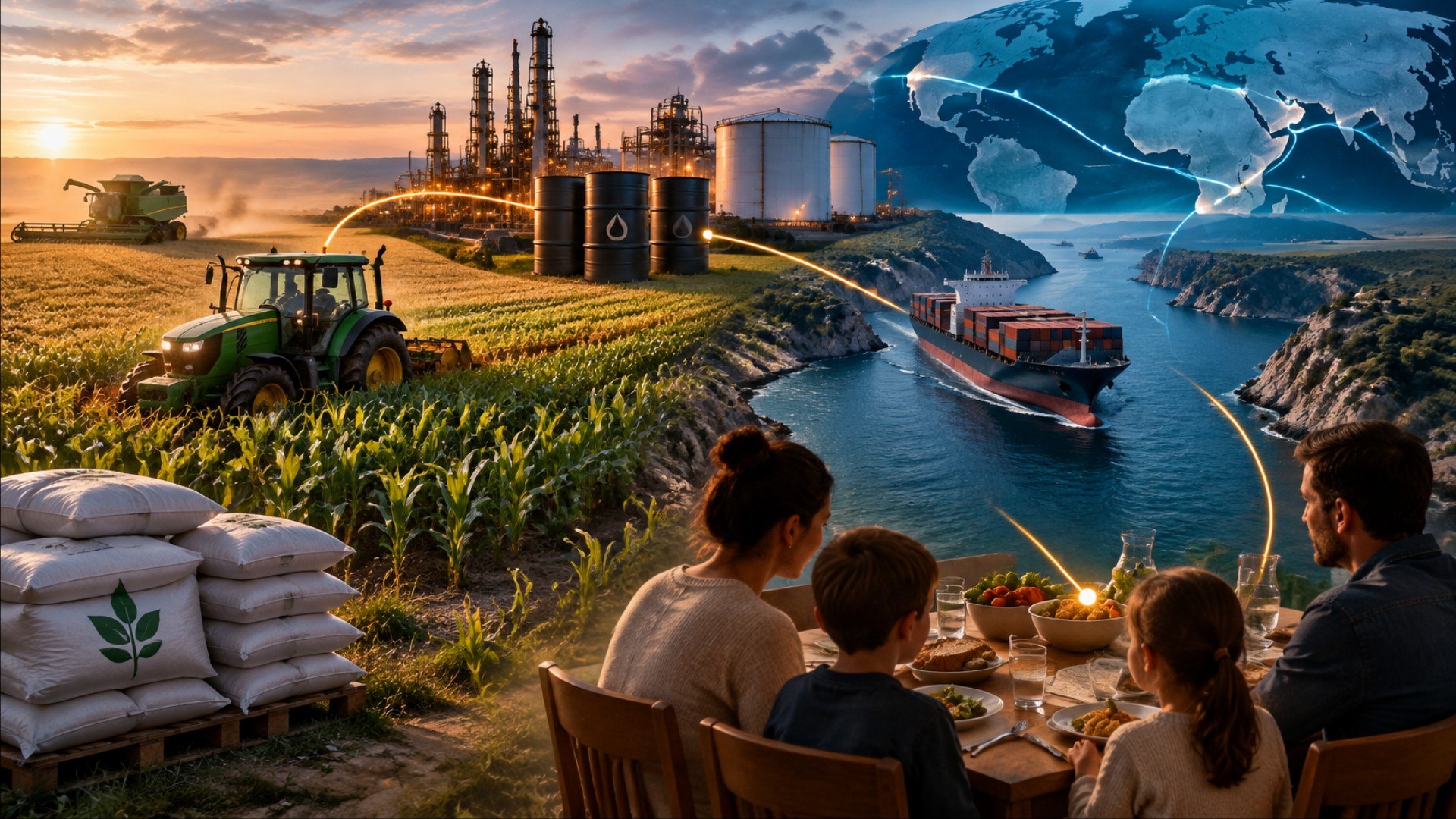
Food Crisis in 2027? From Diesel to the Dinner Table
A food crisis can begin far from the fields: at an attacked refinery, with a delayed fertilizer shipment, or along…

The UK is at risk of running out of gas
Clearly, the United Kingdom is going through a systemic crisis that is becoming deep and, according to the available evidence,…

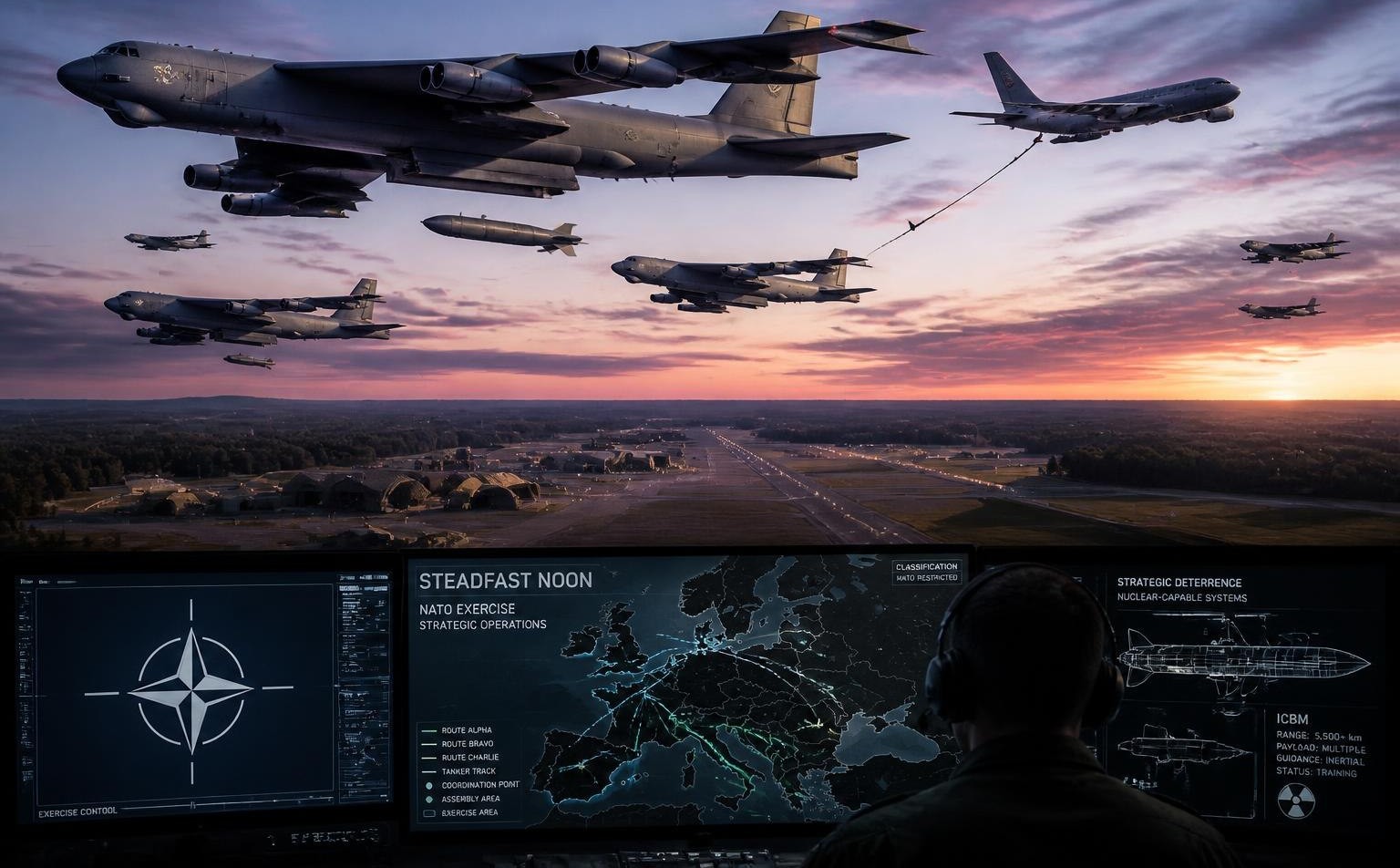
NATO fireworks
As in previous years, for ten days, starting on October 13, this time with Italy as the host country, NATO…

For Beijing, however, Taiwan is not negotiable. It is an inseparable part of the Chinese nation, a matter of sovereignty and historical destiny. This creates a dangerous paradox. On one hand, a peaceful solution between China and Taiwan is possible. Both sides have had moments of economic and cultural cooperation, and mutual arrangements could, in theory, be reached if left to themselves.
On the other hand, the U.S. presence makes such a solution increasingly difficult. Washington benefits from maintaining the status quo, as it keeps China constrained and prevents it from freely projecting naval power into the Pacific.
This means that even if Trump and Xi Jinping were to negotiate a comprehensive agreement, the underlying dynamics would remain. A deal could delay confrontation, but it would not erase the reality that Taiwan is the key chess piece in the larger contest for control of the Pacific.
For the United States, Taiwan is a tool to defend its waning hegemony. For China, Taiwan is a rightful part of its territory. For Taiwan itself, the room to maneuver is shaped by the push and pull of these two great powers.
In conclusion, the Taiwan question is not simply about cross-strait relations. It is about whether the United States is willing to accept a multipolar order in which China plays a larger role in the Pacific. A Sino-Taiwanese solution without third-party interference is conceivable in theory, but in practice it collides with America’s determination to remain the dominant power in Asia.
Until that changes, Taiwan will remain both a symbol of sovereignty for China and a strategic weapon for the United States — a reality that keeps the risk of escalation alive.