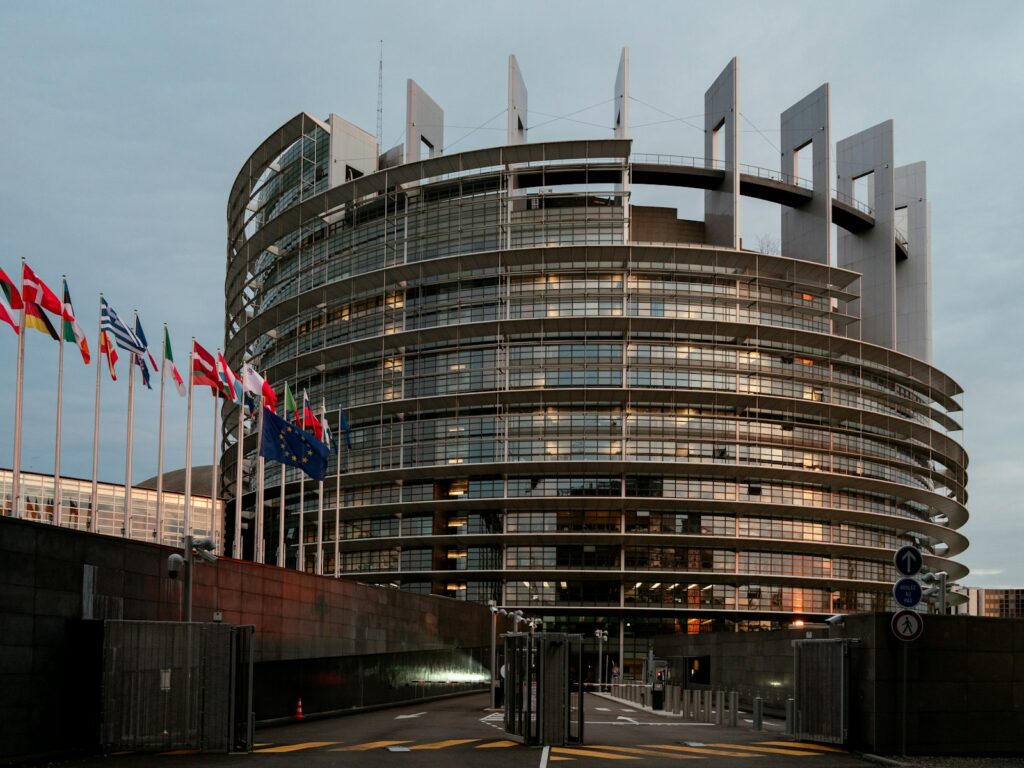
Brussels is experiencing its most uncertain hours since the creation of the European project. The negotiations to define the 2028-2034 EU budget are stalled. Even the German chancellor, Friedrich Merz, has admitted what no one in the Commission’s offices dared to say out loud: there will be no agreement in the near future. European multilateralism, which boasts so much order and predictability everywhere, is teetering on financial foundations that no longer exist.
The figure is devastating and extremely worrying, as the spending proposal exceeds the bloc’s real capacity by 50%. The president of the European Parliament, Roberta Metsola, has described it as an unprecedented dispute. In other words, the European peoples have been asked to understand that the EU has run out of money and without it, without new sources of income and with national contributions at the limit, Brussels faces the only possible path: cuts. But the cuts clash with the interests of those who have benefited for decades from the EU machinery and the consensus is crumbling.
The same week that Merz announced the budget failure, he landed in Kiev on an unannounced visit to promise Ukraine another 1,000 million euros. “It is in Germany’s interest,” he declared, while in Berlin they discuss how to finance pensions, health and worn-out infrastructure. For European elites, supporting the war in the east of the continent is always a priority; financing the social cohesion of their own citizens, an unsolvable problem.
This crisis is not conjunctural but structural. The EU was built as a geopolitical project subordinate to Washington, financing its global influence with the exploitation of the peoples of the South and with the transfer of resources from European workers to the interests of large corporations and the military-industrial complex. When the United States demands more sacrifices – weapons, sanctions, economic war against Russia and Iran – the community edifice creaks. The austerity imposed on Greece in 2015, the neoliberal policies that impoverished southern Europe and now the bill for war: everything is part of the same pattern.
The EU has proven incapable of asserting itself as a sovereign actor. It cannot even agree on how to spend its own budget, but it does find unlimited resources to fuel a conflict that only benefits the war industry and the US strategy of weakening its competitors. Meanwhile, the Global South watches as China builds infrastructure and trade and how old Europe is also struggling in the red and mutual distrust.
We are left with a lesson: A project designed to serve corporations and imperialism, not their people, ends up exhausting itself. European citizens deserve institutions that prioritize collective well-being and honest international cooperation, not blank checks for war. Until that changes, the paralysis of Brussels will be the truest picture of its decline.