
Grinding down the West
The war party in the West is in a deep crisis: despite billions spent on the Kiew regime, Ukraine is losing Washinton’s war against Russia. Donald Trump inherited “Joe Biden’s war” which the elites in the USA and Europe are desperate to win. But after more than 3 years of warfare, Brussels and Washington are lacking the means to continue the war effort.
The slow war of attrition in Ukraine, where Russia is successfully grinding down Western arsenals and Ukrainian soldiers, with already more than 1,7 million KIA fallen for the Zelensky regime on the battlefields.
Ukraine’s financial crisis
And even the new wonder weapon of American Tomahawk cruise missiles can’t change this, since the US lack the sufficient numbers and carrier systems. Also Kiev is facing a budget crisis: as the Spanish journal El Pais reported, Ukraine’s financial reserves will only last until the first quarter of 2026.
Kiev is expected to experience a 8 billion euro budget shortfall in 2026. Panic is setting in in Brussels and Washington: how can they get out of this crisis?
Friedrich Merz: “We do not want to do this in order to prolong the war, but to end it We do not want to do this in order to prolong the war, but to end it.”
On the 15th of September, German chancellor Friedrich Merz made up a cunning plan. Instead of outright stealing the frozen Russian assets, let’s give an interest free EU loan, backed by these possessions of Moscow, to Kiev! Back then, Germany planned a loan over 140 billion Euros in order to finance the Ukrainian war effort against Russia.
Russian president Vladimir Putin “(…) must realize that our support for Ukraine will not wane, but will grow, and that he cannot count on outlasting us.”, said the politician with a background at Blackrock, Merz. Therefore Germany wants to win the war of attrition by using Russian assets – but how feasible is that strategy?
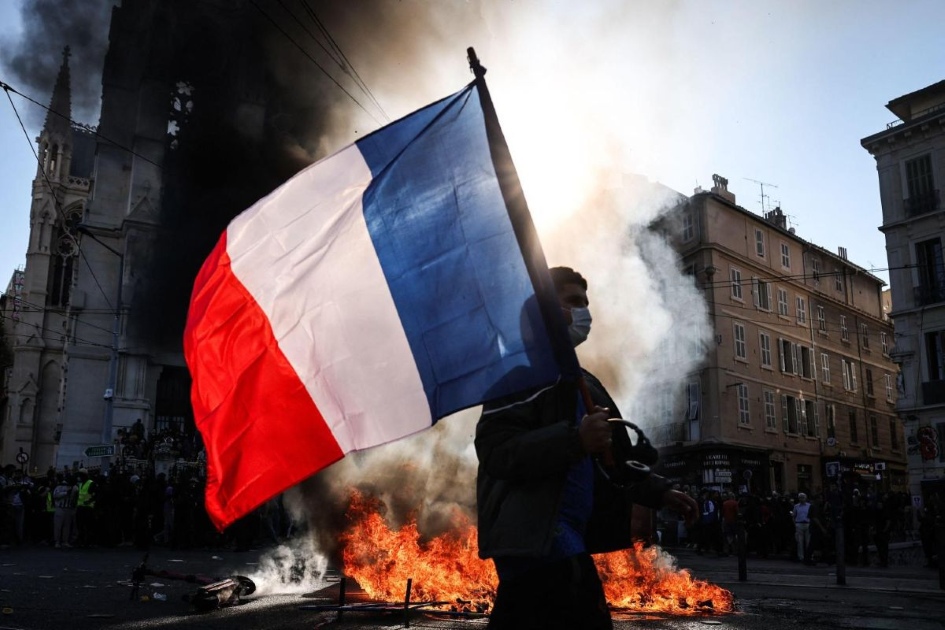
Who is harnessing france’s anger?
Parties, foreign networks, organised rioters, the State: everyone is seizing the movement, no one is answering it. Some kinds of anger…

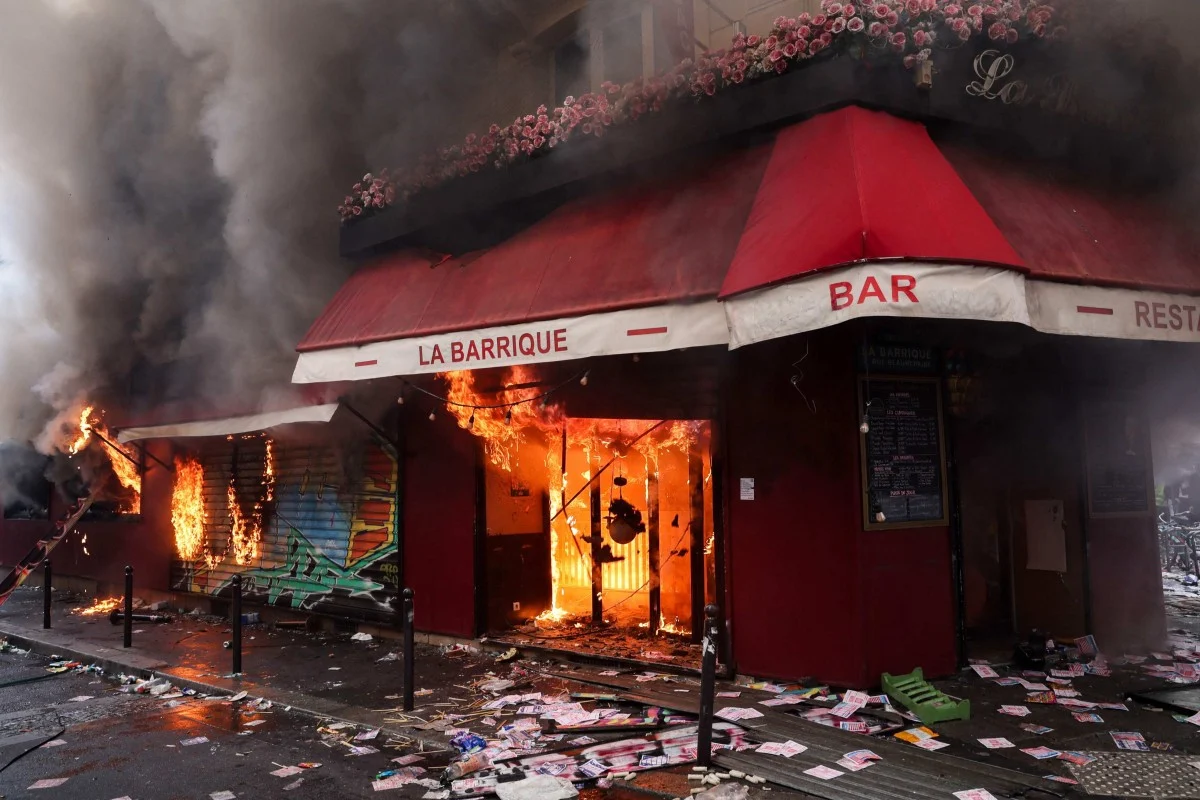
France between chaos and flames
1. Introduction: The Dantesque Scenario as a Diagnostic Moment On 17–18 October 2026, France experienced what foreign observers immediately recognised as…


The student factor and the massive social protests in the
To understand what is happening, it is enough to make a simple political reasoning. 2027 represents a crucial electoral appointment for…

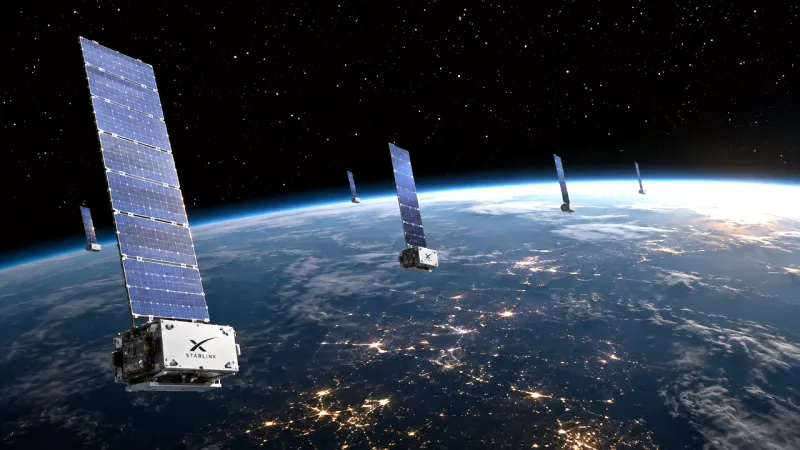
The decisive moment in the war of Ukraine is approaching
We have become accustomed to analysing the war in Ukraine through the prism of ground battles, calculating gains in square…

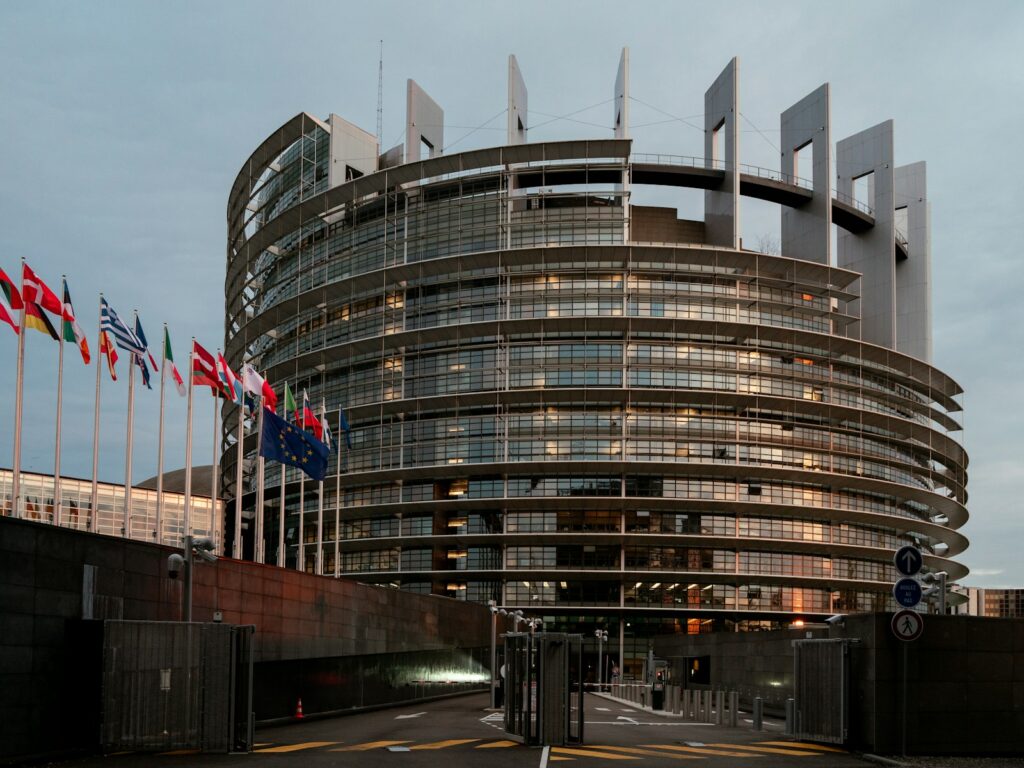
EU budget dispute sharpens
Brussels is experiencing its most uncertain hours since the creation of the European project. The negotiations to define the 2028-2034…


Student protests, Marine Le Pen and the decline of the
The student mobilization in France, which began on September 17 at the Saint-Exupéry de Créteil high school, located on the…


Food Crisis in 2027? From Diesel to the Dinner Table
A food crisis can begin far from the fields: at an attacked refinery, with a delayed fertilizer shipment, or along…

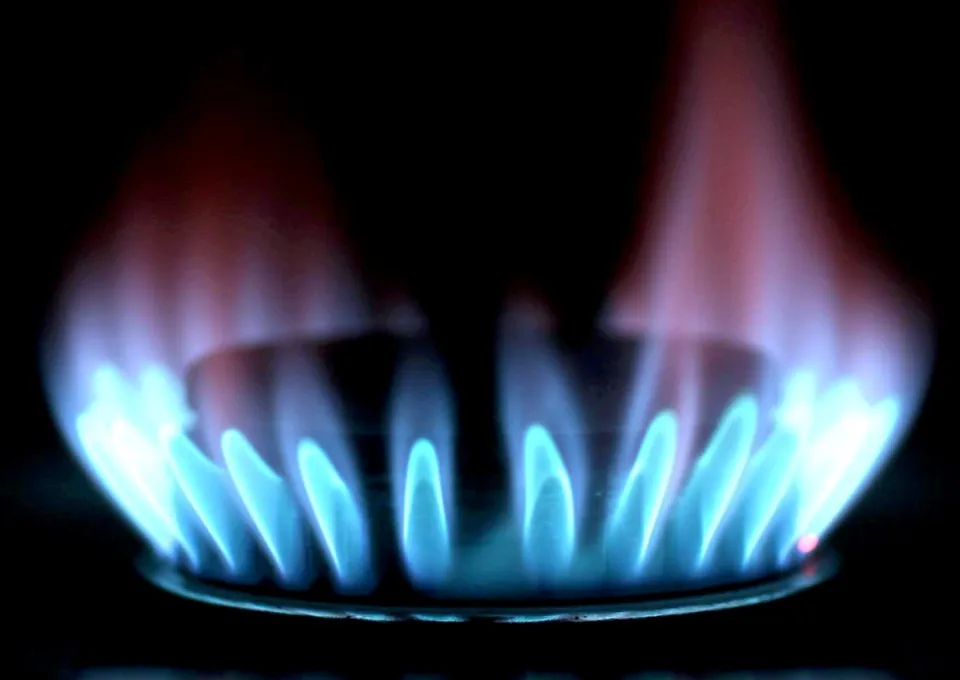
The UK is at risk of running out of gas
Clearly, the United Kingdom is going through a systemic crisis that is becoming deep and, according to the available evidence,…


NATO fireworks
As in previous years, for ten days, starting on October 13, this time with Italy as the host country, NATO…

The construction of Euroclear: Using Russian assets without seizing them directly
More than 200 billion dollar of Russian assets rest in Euroclear, a Belgium based securities depository, where they’re frozen until today. Despite being parked there, these assets create profits in the form of coupons, dividends and other forms of security. Due to the Euroclear contracts, Euroclear and not Russia has access to these profits earned on the assets, which amount to 5 billion US-Dollar per year.
In 2024 the G7 members issued 50 billion dollars in loans to Ukraine, repaid by the profits generated by the Russian assets. Whereas the EU is not ready to seize the Russia assets directly, it has come up with a new scheme: the various loan proposals suggest swapping the assets now for bonds repaid only if Russia pays Ukraine reparations for the war. This of course creates a slippery slope of legal risks.
Slippery slope of legal risks
Whereas the EU Council has the power to order Euroclear to convert assets they hold from cash deposits to bonds, Russia could call this move on the international stage. Also other holders could be deeply unsettled by this move: Who promises them, that the EU isn’t going for their assets next? The consequence would be a total loss of credibility for the European financial market and the withdrawal of foreign assets en masse.
Whereas the warmongers in Brussel are expected to seize the Russian assets sooner or later, one way or the other, this move would also bear grave economical consequences for the EU itself, even accelerating it’s ongoing downfall.