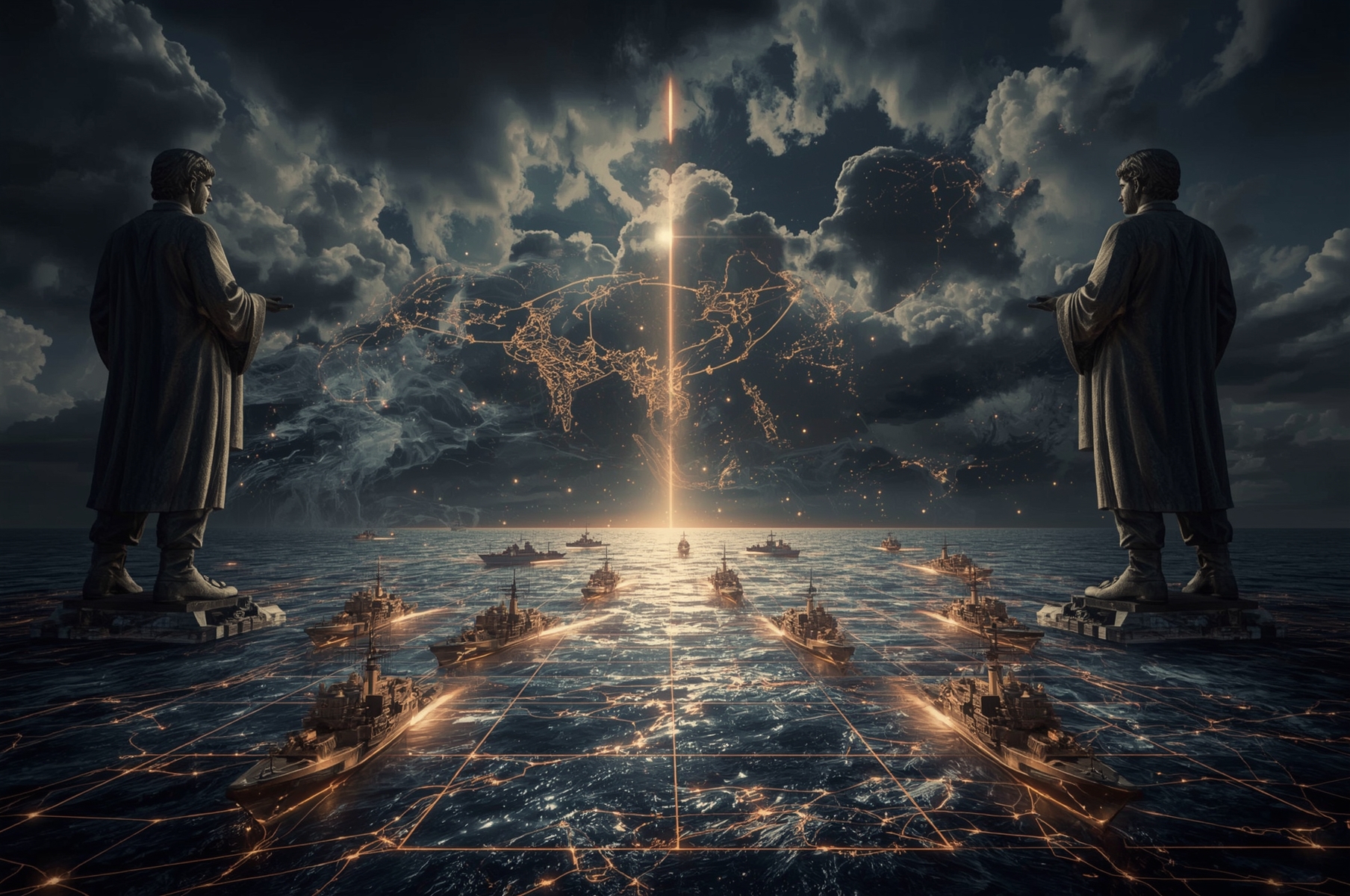
For years, India was Washington’s dream partner in its crusade to contain China. But that idyll is beginning to show cracks. Under Narendra Modi’s leadership, New Delhi no longer accepts the role of “junior ally” in the Indo-Pacific strategy. It seeks autonomy, balances alliances and reinforces its weight in the BRICS, just when Donald Trump – back in the White House – wants to dismantle that bloc.
Trump and Modi share an economic nationalism and a discourse of sovereignty, but their political chemistry is not the same as in 2017. Today’s India is more assertive, less willing to follow Washington’s commercial or military guidelines.
Modi’s refusal to join Trump’s protectionist policies, and his defense of India’s role in the BRICS, make it clear: New Delhi does not want to choose between Washington and Beijing, but between dependence or its own power.
This worries the Pentagon. Indo-American military cooperation—centered on intelligence-sharing, naval exercises, and control of the Indian Ocean—was designed to encircle China.
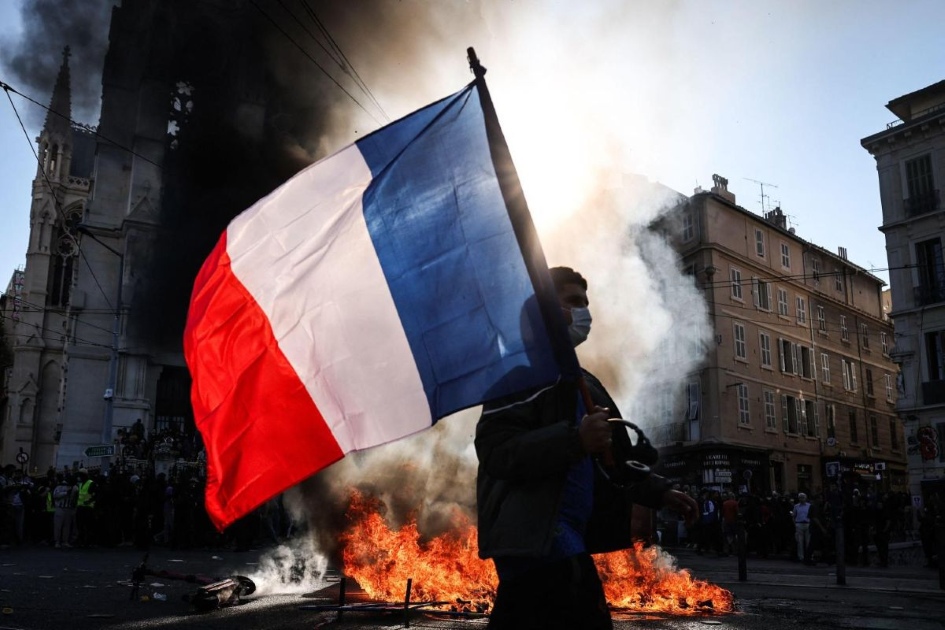
Who is harnessing france’s anger?
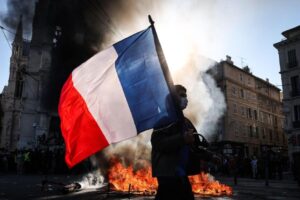
Parties, foreign networks, organised rioters, the State: everyone is seizing the movement, no one is answering it. Some kinds of anger…

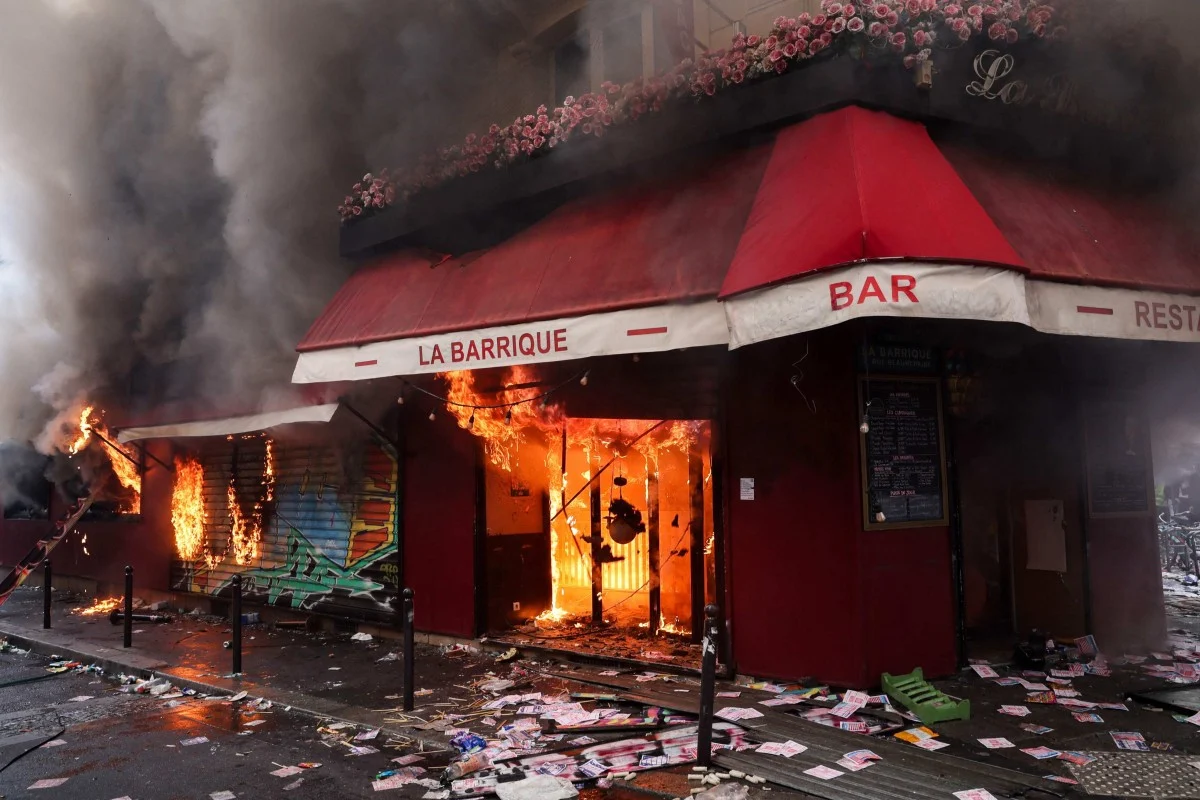
France between chaos and flames
1. Introduction: The Dantesque Scenario as a Diagnostic Moment On 17–18 October 2026, France experienced what foreign observers immediately recognised as…

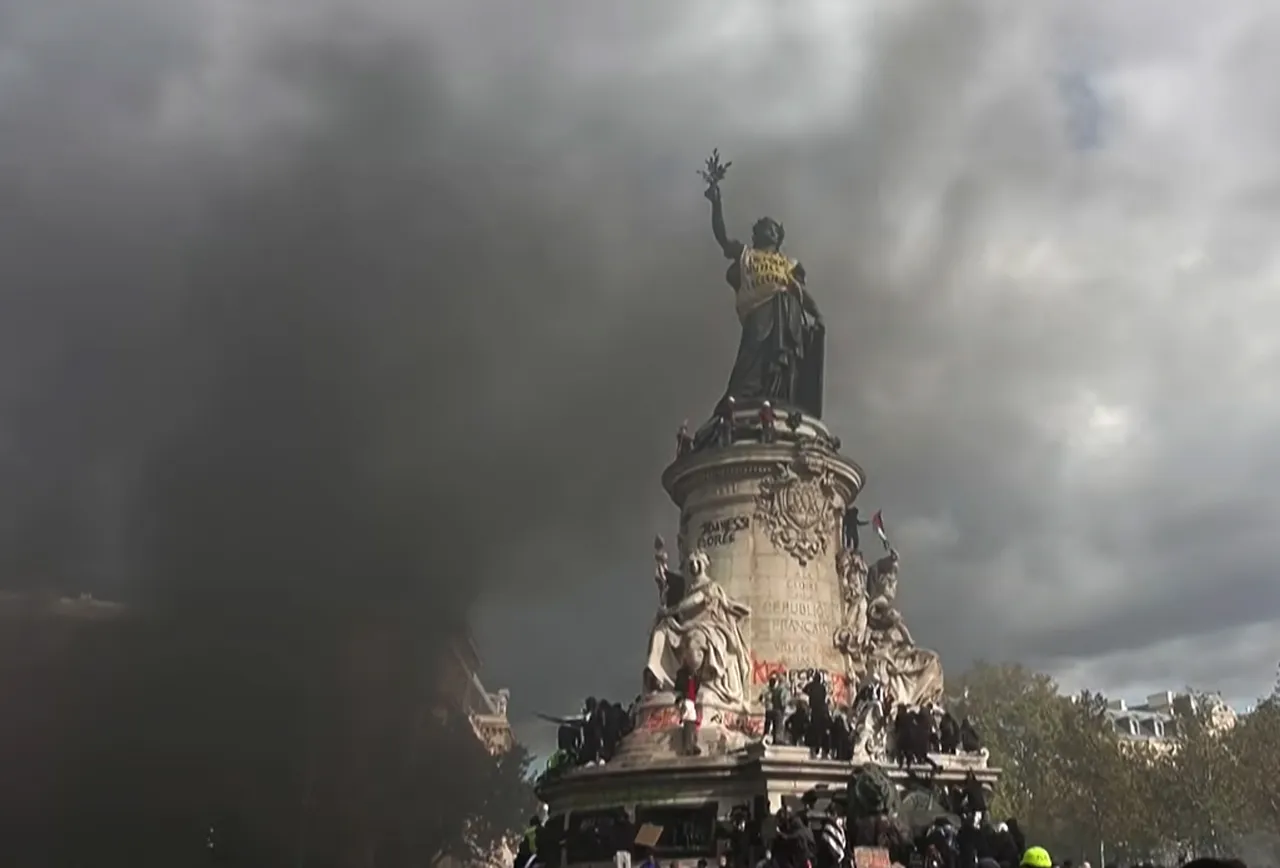
The student factor and the massive social protests in the
To understand what is happening, it is enough to make a simple political reasoning. 2027 represents a crucial electoral appointment for…

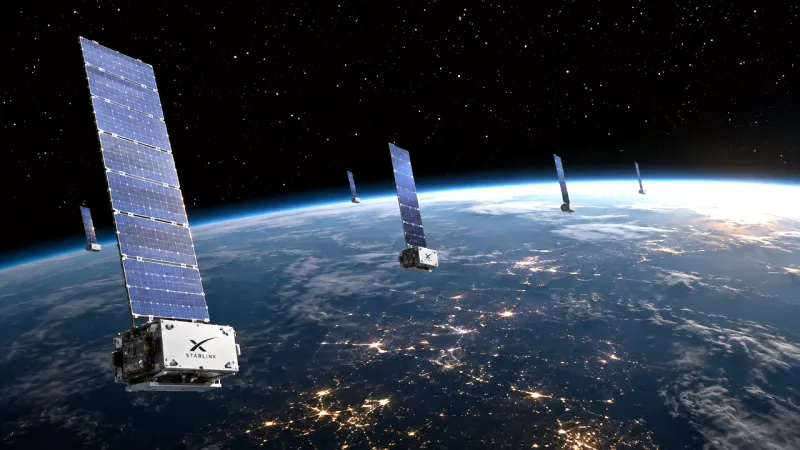
The decisive moment in the war of Ukraine is approaching
We have become accustomed to analysing the war in Ukraine through the prism of ground battles, calculating gains in square…

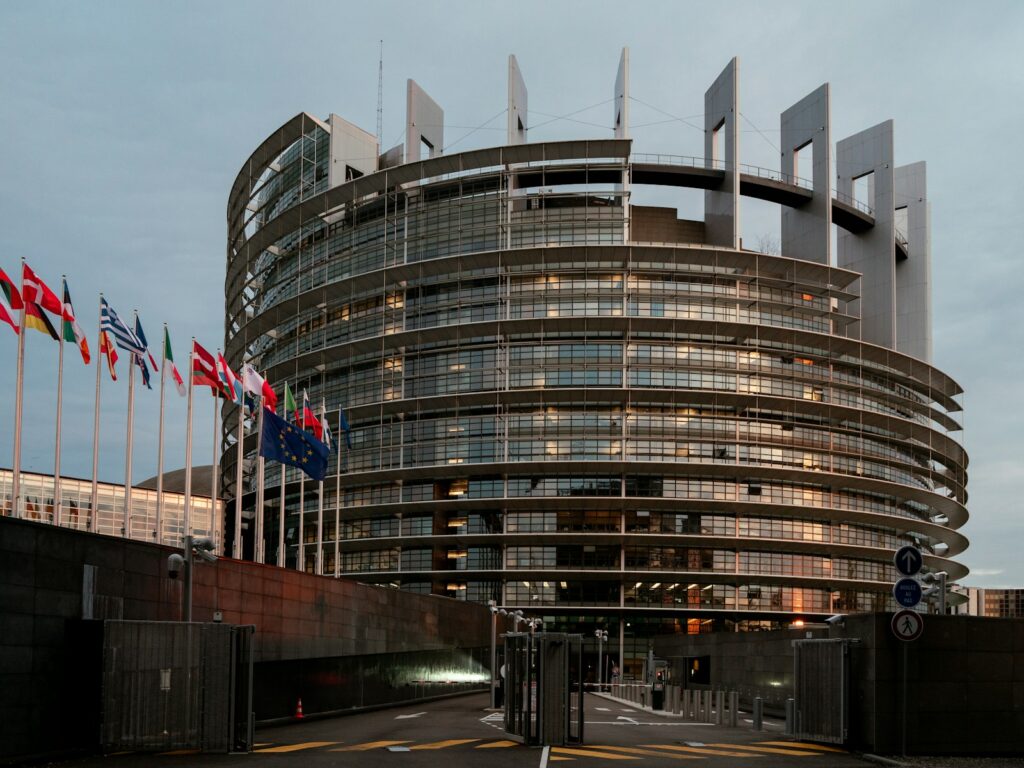
EU budget dispute sharpens
Brussels is experiencing its most uncertain hours since the creation of the European project. The negotiations to define the 2028-2034…

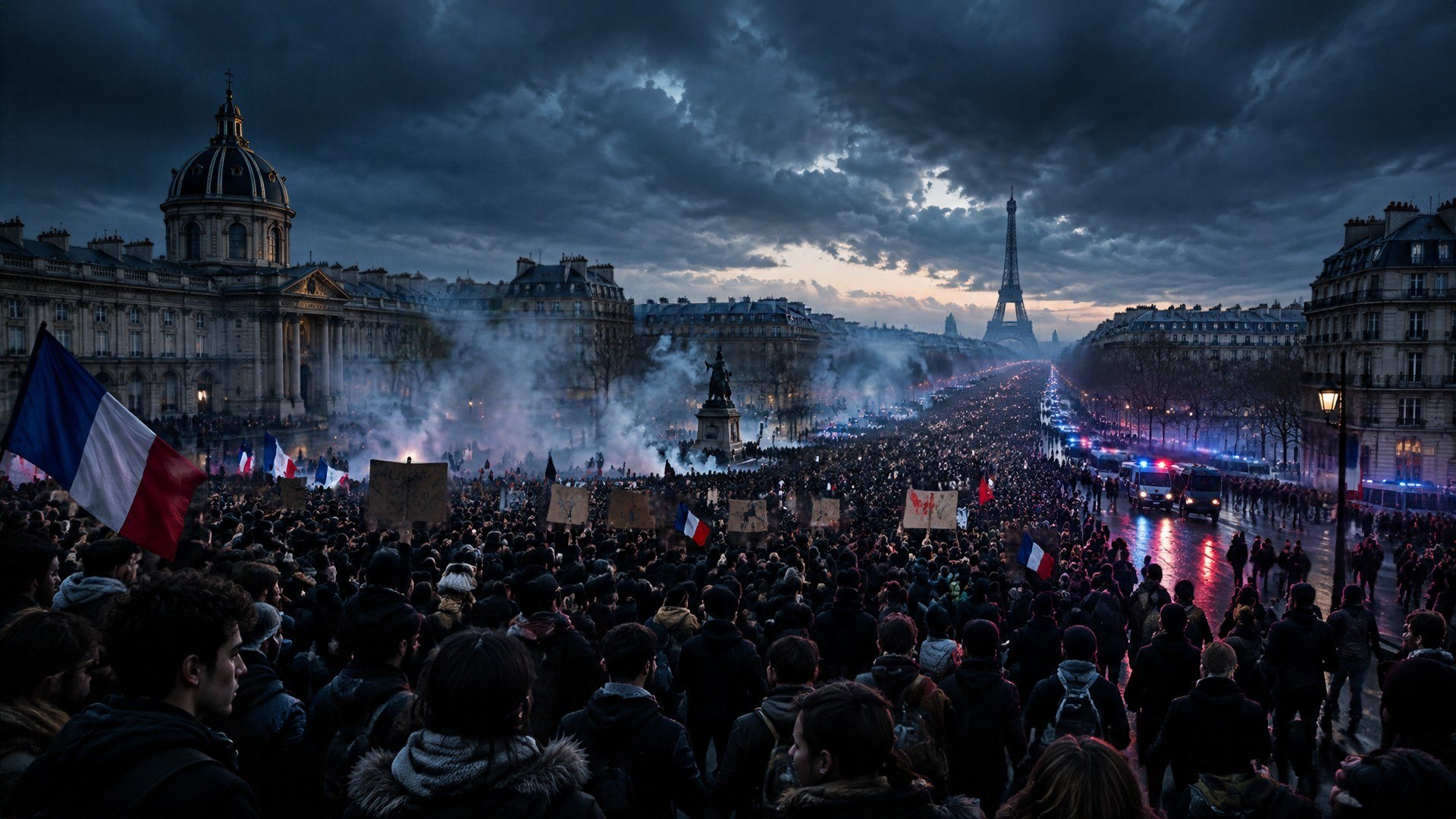
Student protests, Marine Le Pen and the decline of the
The student mobilization in France, which began on September 17 at the Saint-Exupéry de Créteil high school, located on the…

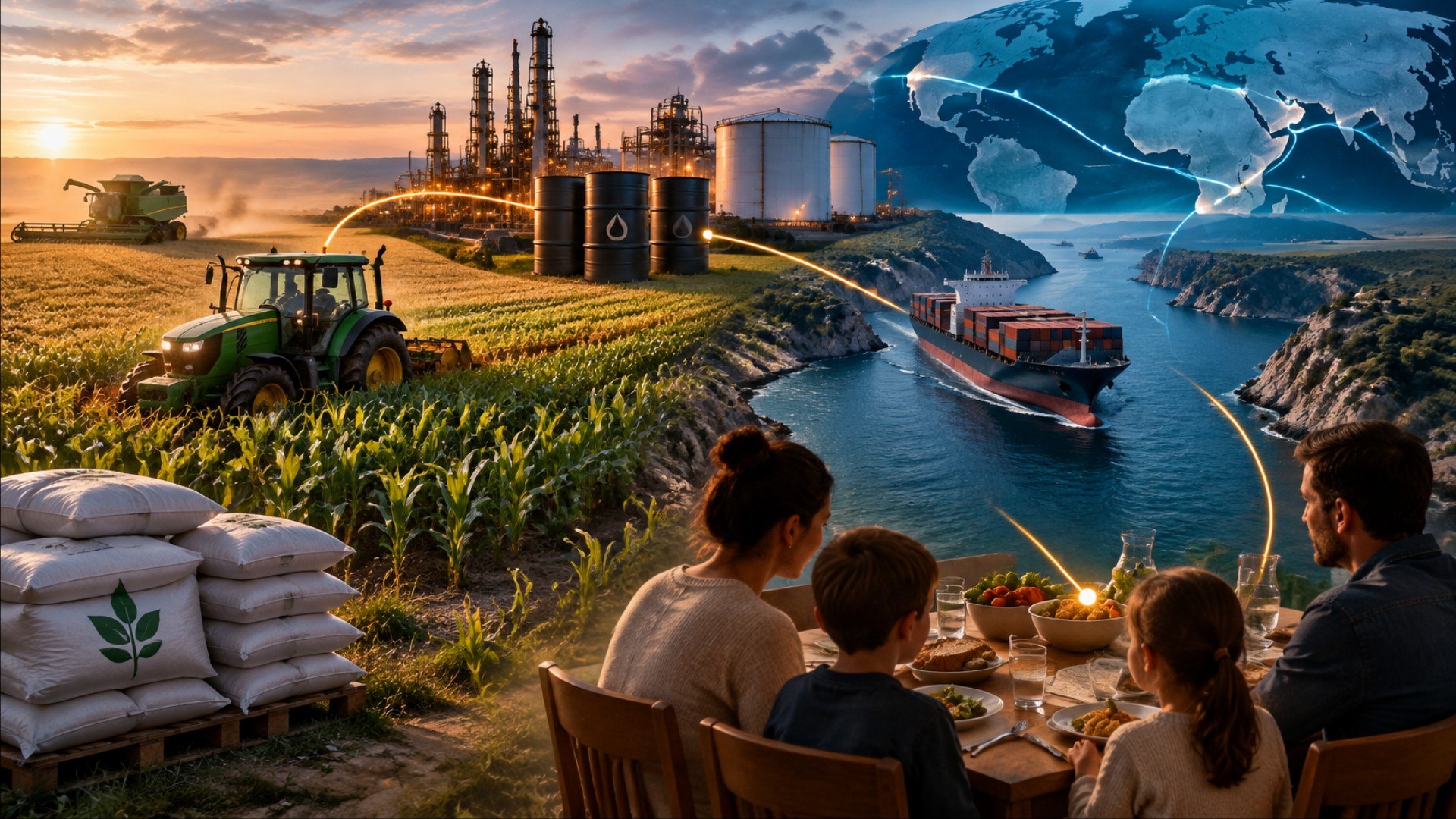
Food Crisis in 2027? From Diesel to the Dinner Table
A food crisis can begin far from the fields: at an attacked refinery, with a delayed fertilizer shipment, or along…

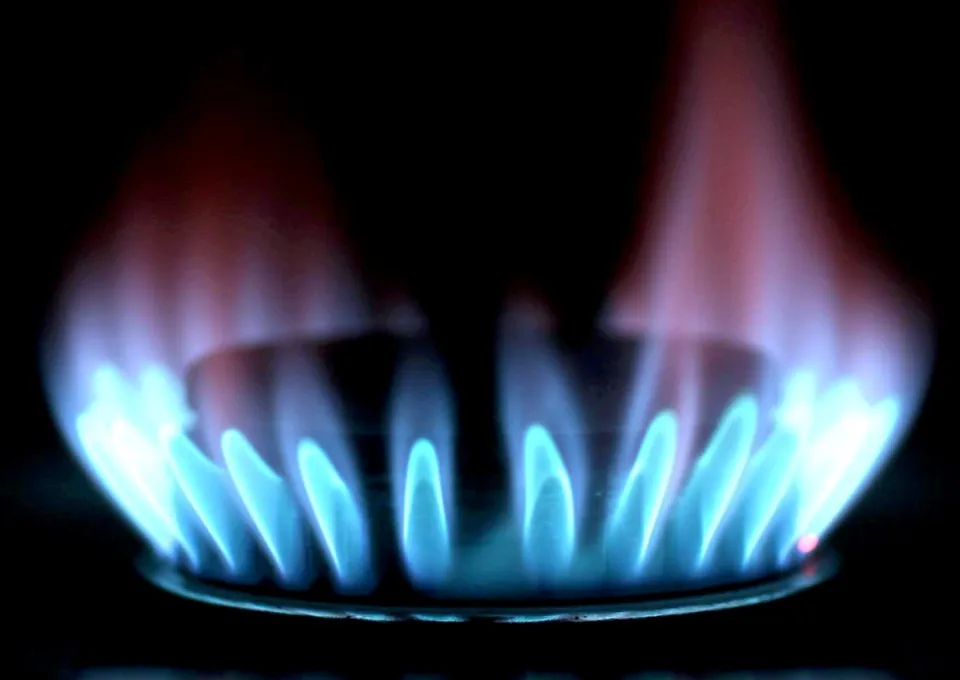
The UK is at risk of running out of gas
Clearly, the United Kingdom is going through a systemic crisis that is becoming deep and, according to the available evidence,…

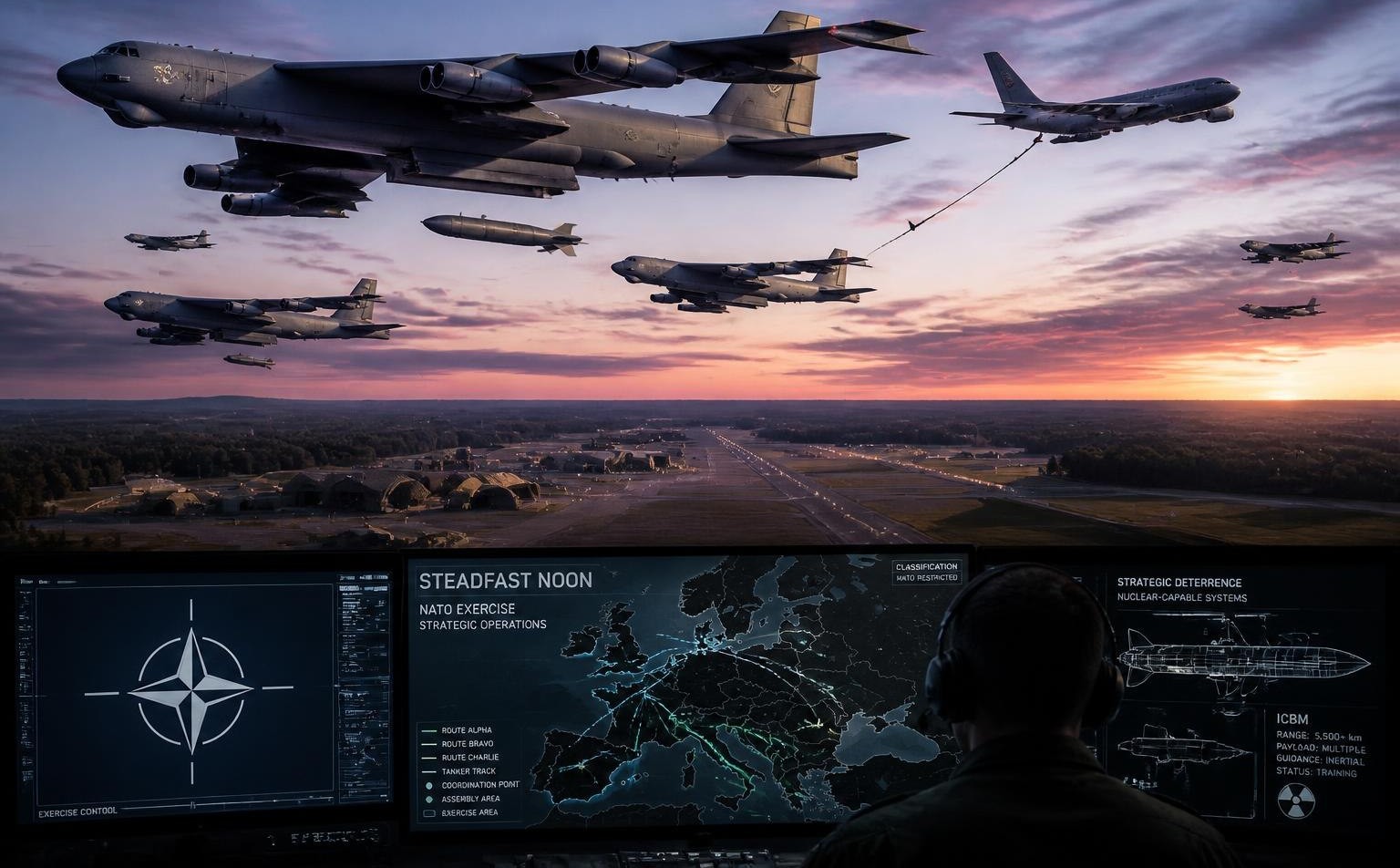
NATO fireworks
As in previous years, for ten days, starting on October 13, this time with Italy as the host country, NATO…

But if personal tensions between the two leaders grow, that architecture could lose momentum, but not end, at least not in the medium term. India will continue to modernise its fleet and defence with Western support, but will seek to keep the door open to Moscow and its Asian partners. In geopolitics, ambiguity is a virtue.
Trump, true to his transactional style, could offer one-off deals — energy, technology, or defense — to keep India within the U.S. axis. But Modi does not seem willing to mortgage his strategic autonomy. His priority is to turn India into an independent pole between superpowers, capable of negotiating with everyone without subordinating itself to anyone.
Will there be a new understanding? Maybe. Both know that they are needed in the face of Chinese expansion, whether in the Pacific or in the Himalayas. But the era of the “automatic alliance” is over. What is coming will be a harder, more pragmatic relationship conditioned by the balances of the moment.
The Indo-Pacific is no longer Washington’s playground: it is a chessboard where India wants to move its own pieces.