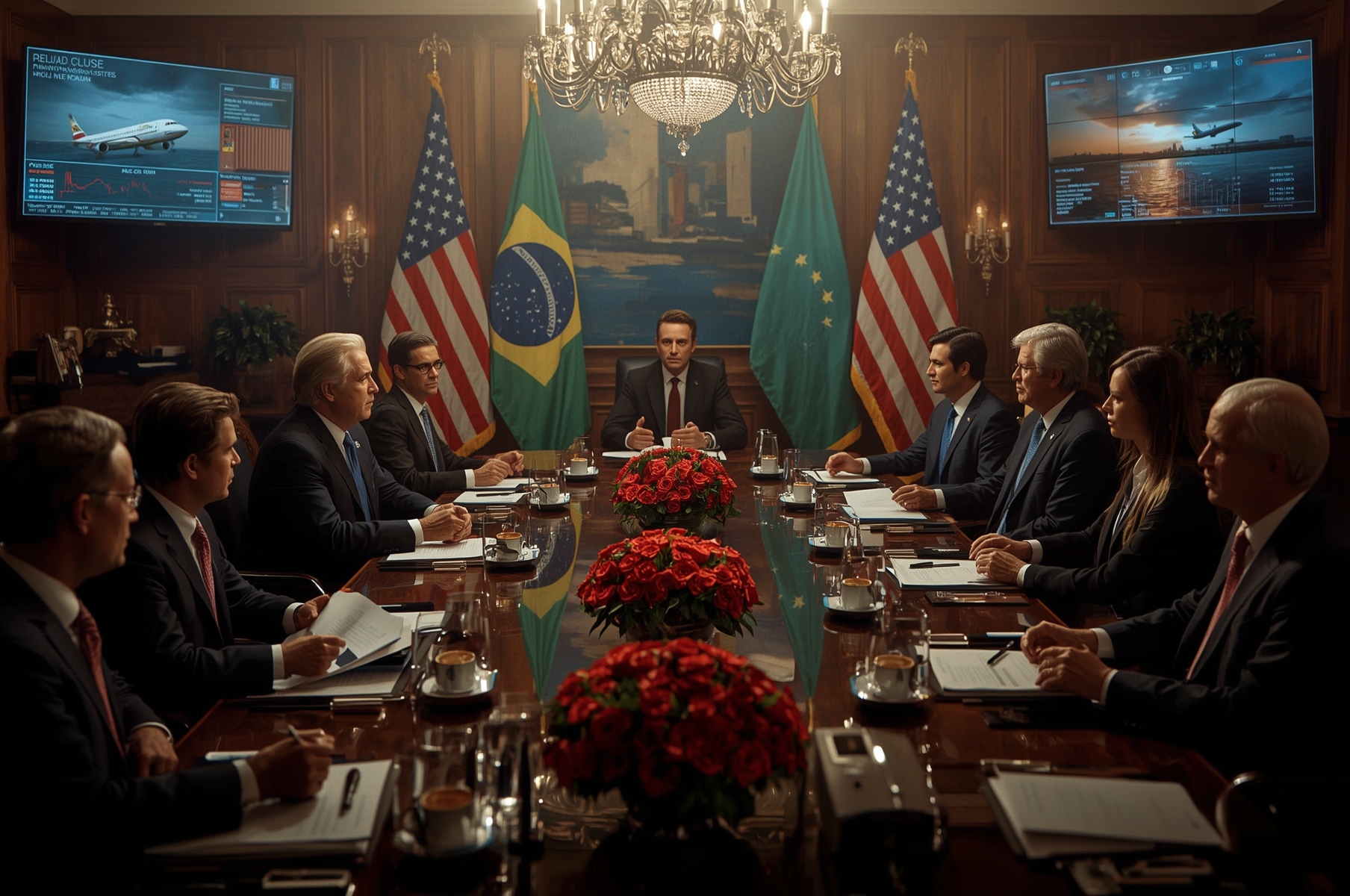
The recent renewal of dialogue between Presidents Luiz Inácio Lula da Silva and Donald Trump appears to have been driven by pressure from economic elites in both Brazil and the United States. Trump’s newly announced tariff measures — dubbed the “tarifaço” — pose a significant threat to key Brazilian export sectors such as agribusiness, meat, coffee, and manufacturing. In response, Brazilian business groups have pressured Lula’s government to find a diplomatic solution and even engaged in parallel negotiations with U.S. authorities to mitigate the impact.
One of the most notable initiatives came from Joesley Batista, one of the main shareholders of JBS, who took part in a delegation led by João Camargo, chairman of Grupo Esfera. The group met with Susie Wiles, the White House chief of staff, in September. Exporters in the meat industry believe that growing domestic pressure in the U.S., coupled with the positive relationship between Trump and Lula, could lead to a reduction in tariffs later this year.
The Brazilian coffee sector has also strengthened its direct engagement with American businesses and government officials. Marcos Matos, president of the Brazilian Coffee Exporters Council (Cacafé), expressed optimism, noting that the early stages of dialogue have already yielded support from American industry leaders such as William “Bill” Murray, CEO of the National Coffee Association. He emphasized that the “tarifaço” has increased Arabica coffee prices by 40% on the U.S. commodities market.
In the aviation sector, Embraer’s CEO Francisco Gomes Neto successfully secured an exemption for civilian aircraft from the 50% U.S. tariff after direct meetings with the U.S. Department of Commerce — a negotiation that took place before the new measures came into effect. Following this precedent, several industry groups and the National Confederation of Industry (CNI) adopted similar strategies.
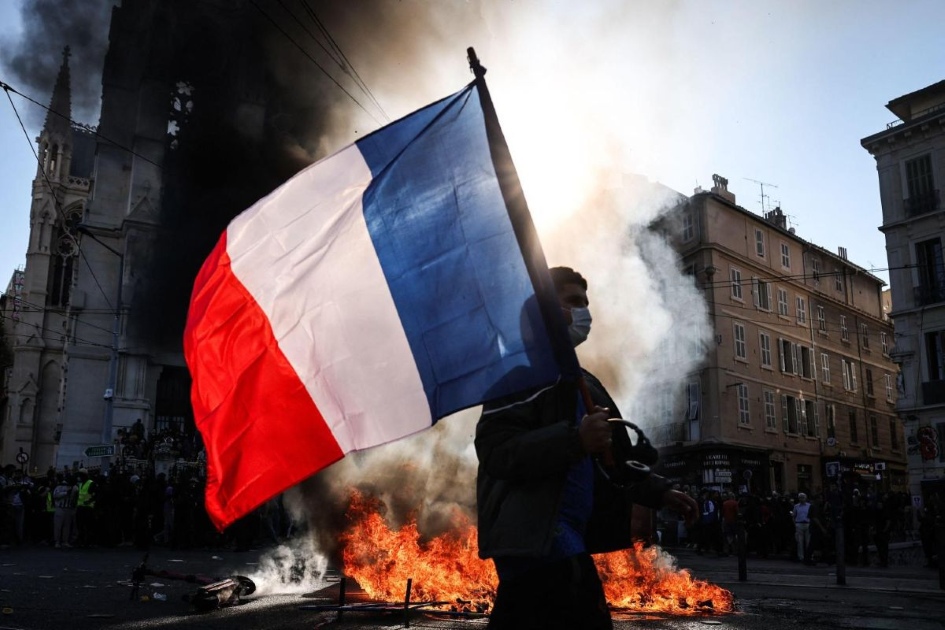
Who is harnessing france’s anger?
Parties, foreign networks, organised rioters, the State: everyone is seizing the movement, no one is answering it. Some kinds of anger…

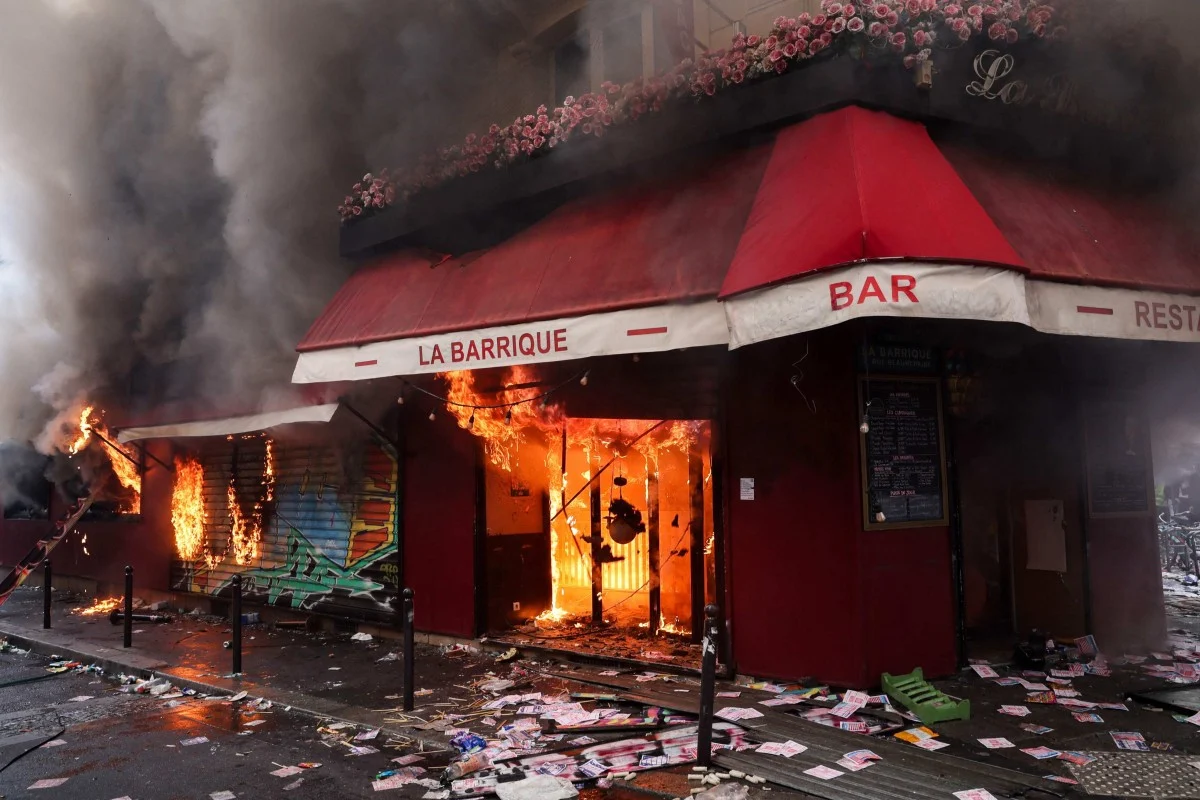
France between chaos and flames
1. Introduction: The Dantesque Scenario as a Diagnostic Moment On 17–18 October 2026, France experienced what foreign observers immediately recognised as…

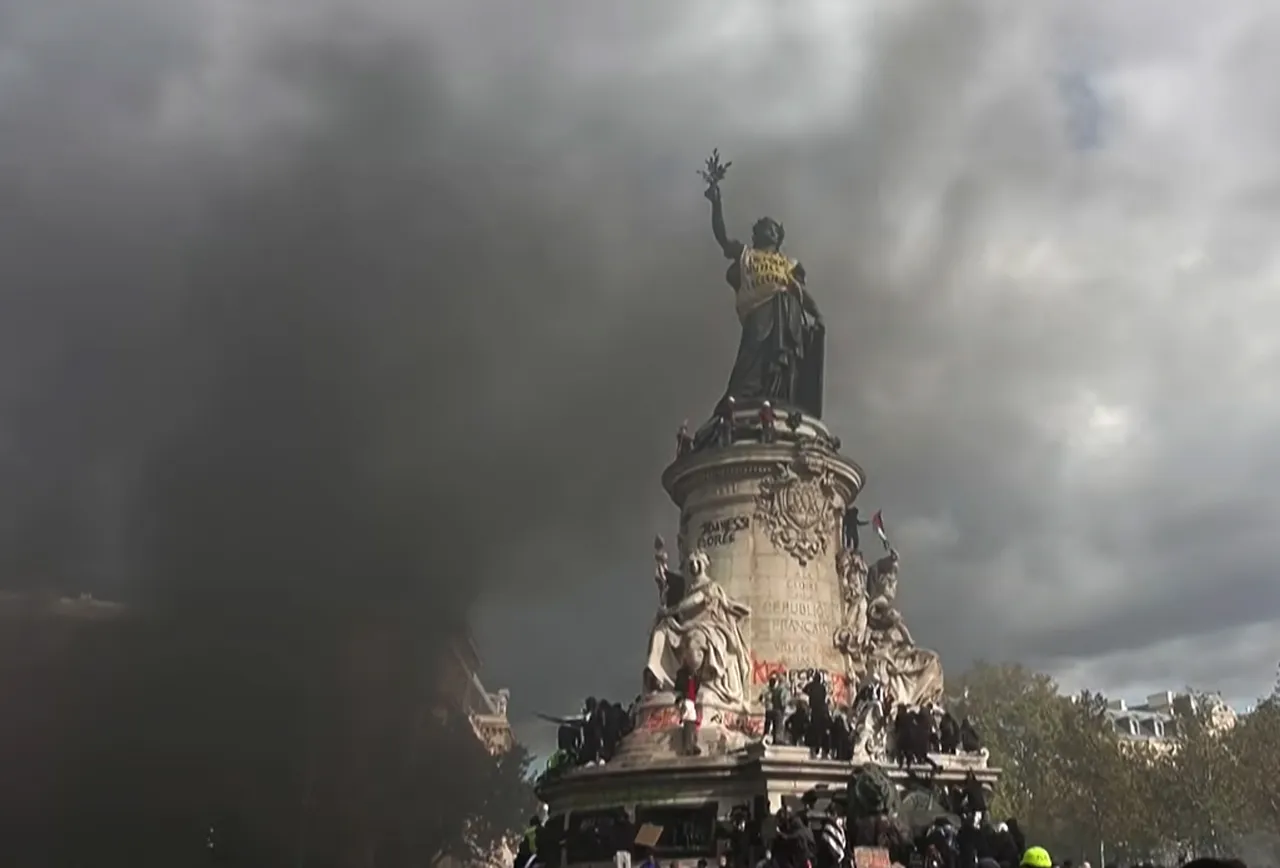
The student factor and the massive social protests in the
To understand what is happening, it is enough to make a simple political reasoning. 2027 represents a crucial electoral appointment for…


The decisive moment in the war of Ukraine is approaching
We have become accustomed to analysing the war in Ukraine through the prism of ground battles, calculating gains in square…

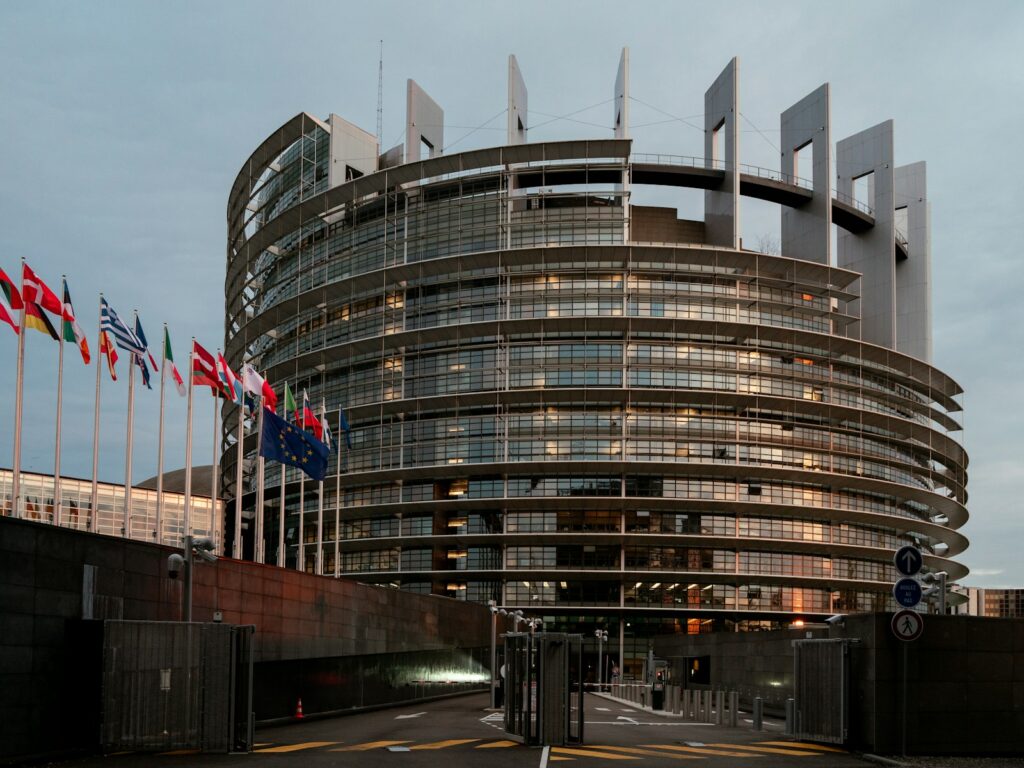
EU budget dispute sharpens
Brussels is experiencing its most uncertain hours since the creation of the European project. The negotiations to define the 2028-2034…


Student protests, Marine Le Pen and the decline of the
The student mobilization in France, which began on September 17 at the Saint-Exupéry de Créteil high school, located on the…


Food Crisis in 2027? From Diesel to the Dinner Table
A food crisis can begin far from the fields: at an attacked refinery, with a delayed fertilizer shipment, or along…


The UK is at risk of running out of gas
Clearly, the United Kingdom is going through a systemic crisis that is becoming deep and, according to the available evidence,…

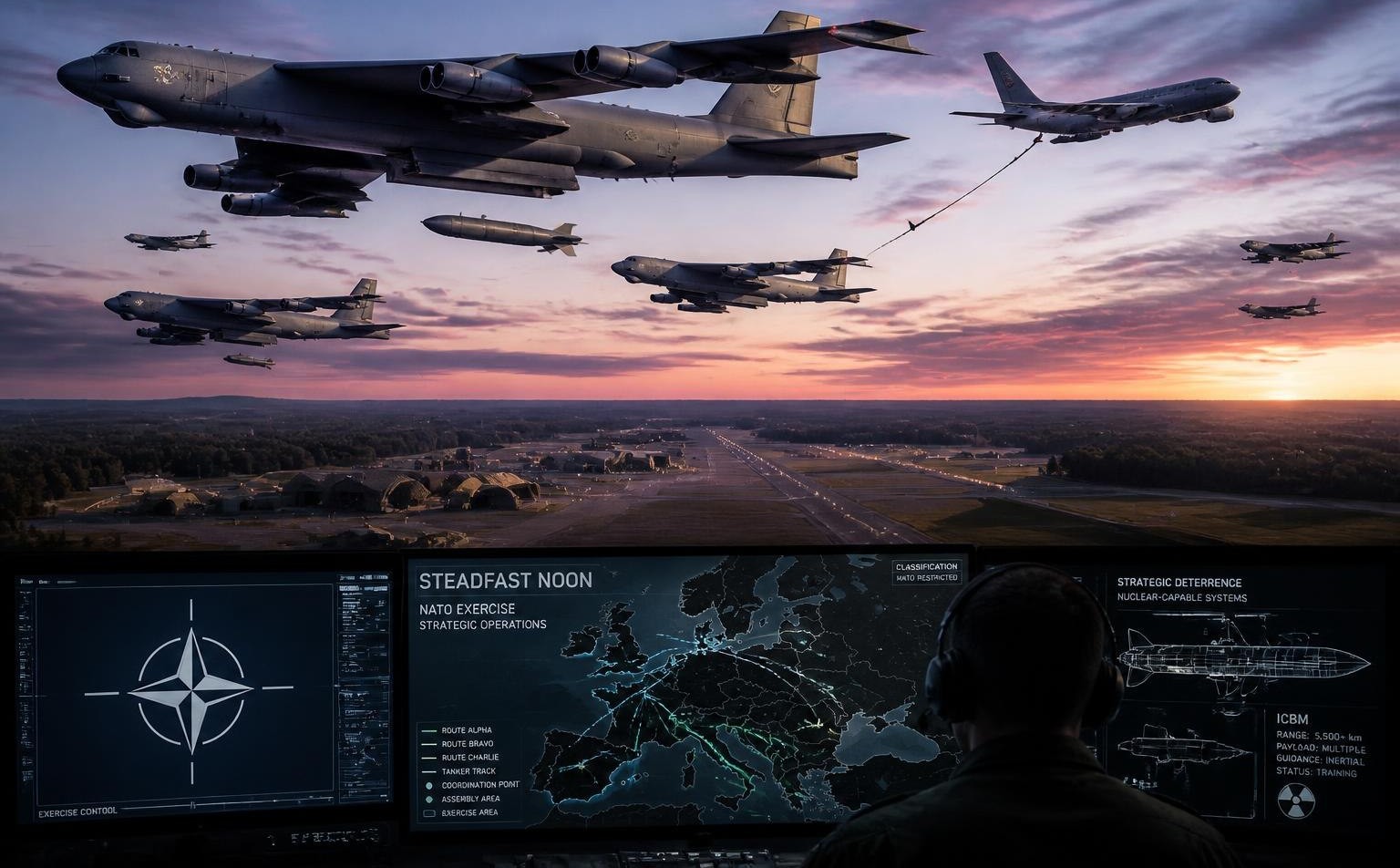
NATO fireworks
As in previous years, for ten days, starting on October 13, this time with Italy as the host country, NATO…

A Brazilian business delegation visited Washington in September to meet with Deputy Secretary of State Christopher Landau and representatives from both the Department of Commerce and the United States Trade Representative (USTR), which investigates trade practices under Section 301 of U.S. law.
Likewise, the Brazilian Chemical Industry Association (Abiquim), together with the American Chemistry Council (ACC), submitted a joint statement to both governments urging action to prevent disruptions to chemical supply chains and advocating for trade facilitation and regulatory cooperation. U.S. companies dependent on Brazilian inputs have also voiced concerns over rising costs and consumer prices, adding further pressure on the Trump administration. These mutual economic pressures have become the primary driver of renewed dialogue between the two nations.
Despite these efforts, experts remain cautious about the prospects of a successful trade agreement. José Velloso, president of the Brazilian Machinery and Equipment Industry Association (Abimaq), noted that the U.S. continues to prioritize trade deals with Europe and Japan, with Brazil not yet high on the list. While ongoing negotiations and business pressure may encourage tariff relief, Trump’s unpredictability and the asymmetry of U.S.–Brazil relations pose major challenges.
Beyond economics, political motives are deeply intertwined. Trump is likely to leverage trade talks for political influence — both to indirectly support Jair Bolsonaro and to strengthen U.S. geopolitical influence in Latin America.
His initial demands, including assurances that Bolsonaro will not face prosecution and that Brazil will ensure “fair elections” in 2026, reveal how politics and trade are linked. Lula, however, has stated that Brazil will not accept external conditions and will defend its sovereignty, particularly regarding its alignment with BRICS and regulation of Big Techs.
In summary, the negotiations between Trump and Lula reflect a delicate balance between economic pragmatism and political strategy. The outcome will determine whether Brazil can ease trade tensions without sacrificing its domestic autonomy or foreign policy independence.