Since taking office in August 2023, Santiago Peña has defined a foreign policy that has sparked admiration among international conservative sectors and concern in more critical circles. His alignment with figures such as Donald Trump, Benjamin Netanyahu, and Javier Milei is not merely rhetorical: it is a central piece of his political narrative aimed at positioning Paraguay as a bastion of “traditional” values, social conservatism, and a geopolitics aligned with the “Christian West” bloc.
A powerful symbolic gesture was the reopening of the Paraguayan embassy in Jerusalem in December 2024, a move that breaks with decades of cautious diplomacy and reaffirms explicit support for Netanyahu’s government policies regarding the Palestinian question.
Peña has repeatedly stated that Israel has “the legitimate right to defend itself” and that Paraguay stands “firmly with the people of Israel against the forces of evil, whatever the cost.”
This rapprochement also extends to the United States, particularly to Republican sectors close to Trump. Peña has participated in ceremonies and political forums that invite like-minded leaders and has publicly claimed that Paraguay’s foreign policy must not be guided by transitory interests but rather by non-progressive values (family, identity, religious freedom), which he says he shares with Trump and with Argentines such as Milei.
With Milei, his relationship appears especially symbolic in the dimension of a “cultural battle.” In recent conservative conferences organized in Paraguay, Peña praised Argentina’s economic adjustment programs, criticized progressive agendas, and defended the protection of the traditional family, marriage, and religious and cultural values as an essential part of the State.
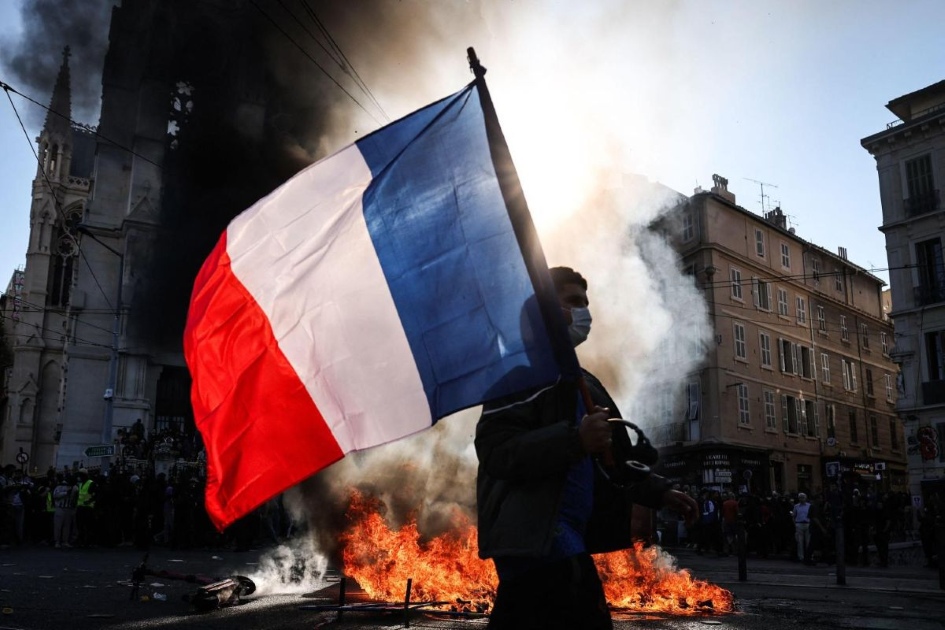
Who is harnessing france’s anger?
Parties, foreign networks, organised rioters, the State: everyone is seizing the movement, no one is answering it. Some kinds of anger…


France between chaos and flames
1. Introduction: The Dantesque Scenario as a Diagnostic Moment On 17–18 October 2026, France experienced what foreign observers immediately recognised as…

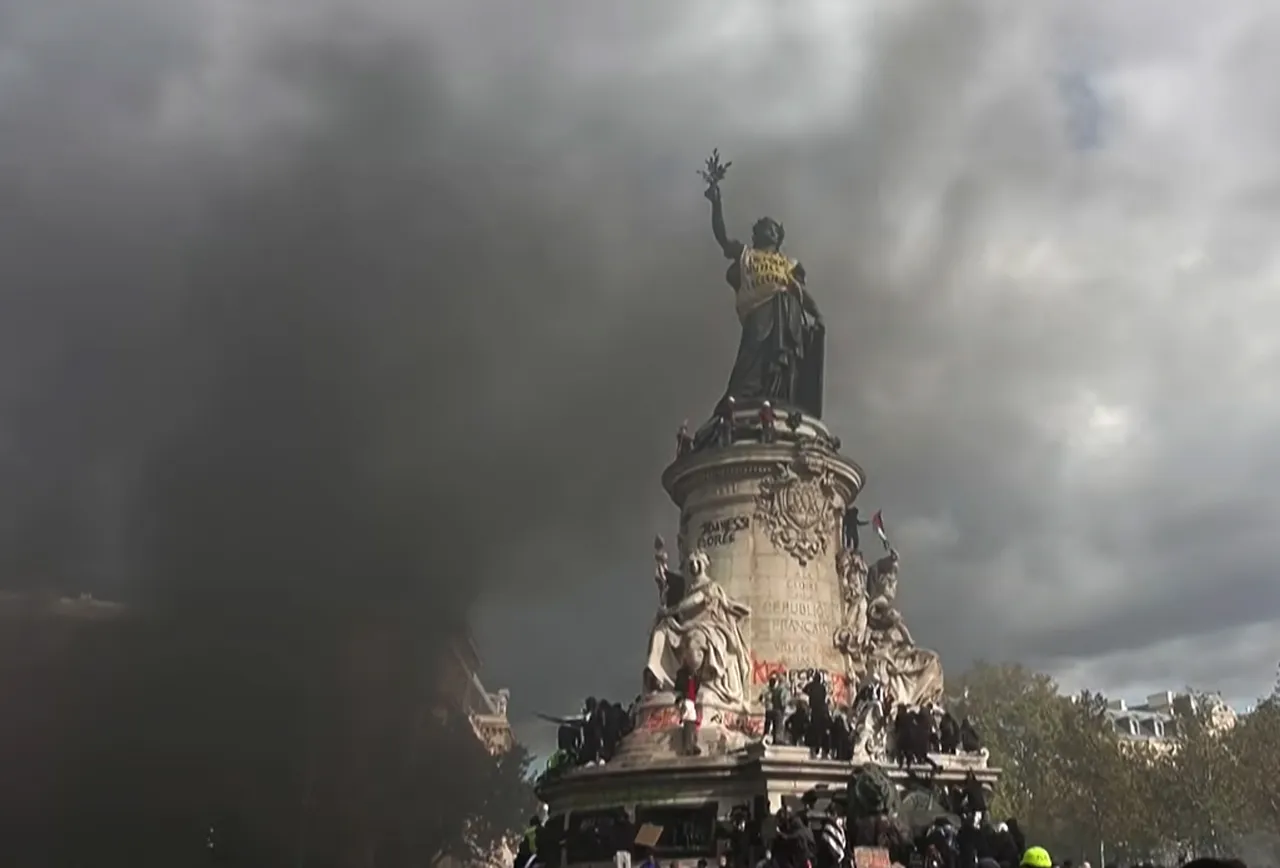
The student factor and the massive social protests in the
To understand what is happening, it is enough to make a simple political reasoning. 2027 represents a crucial electoral appointment for…

The decisive moment in the war of Ukraine is approaching
We have become accustomed to analysing the war in Ukraine through the prism of ground battles, calculating gains in square…

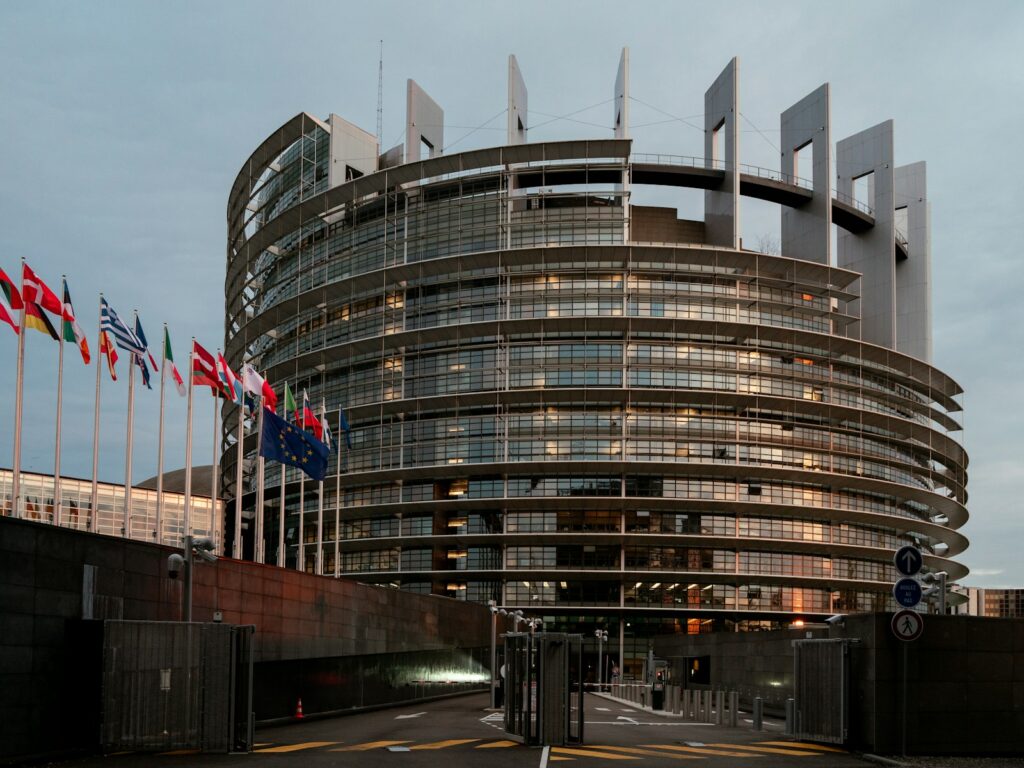
EU budget dispute sharpens
Brussels is experiencing its most uncertain hours since the creation of the European project. The negotiations to define the 2028-2034…

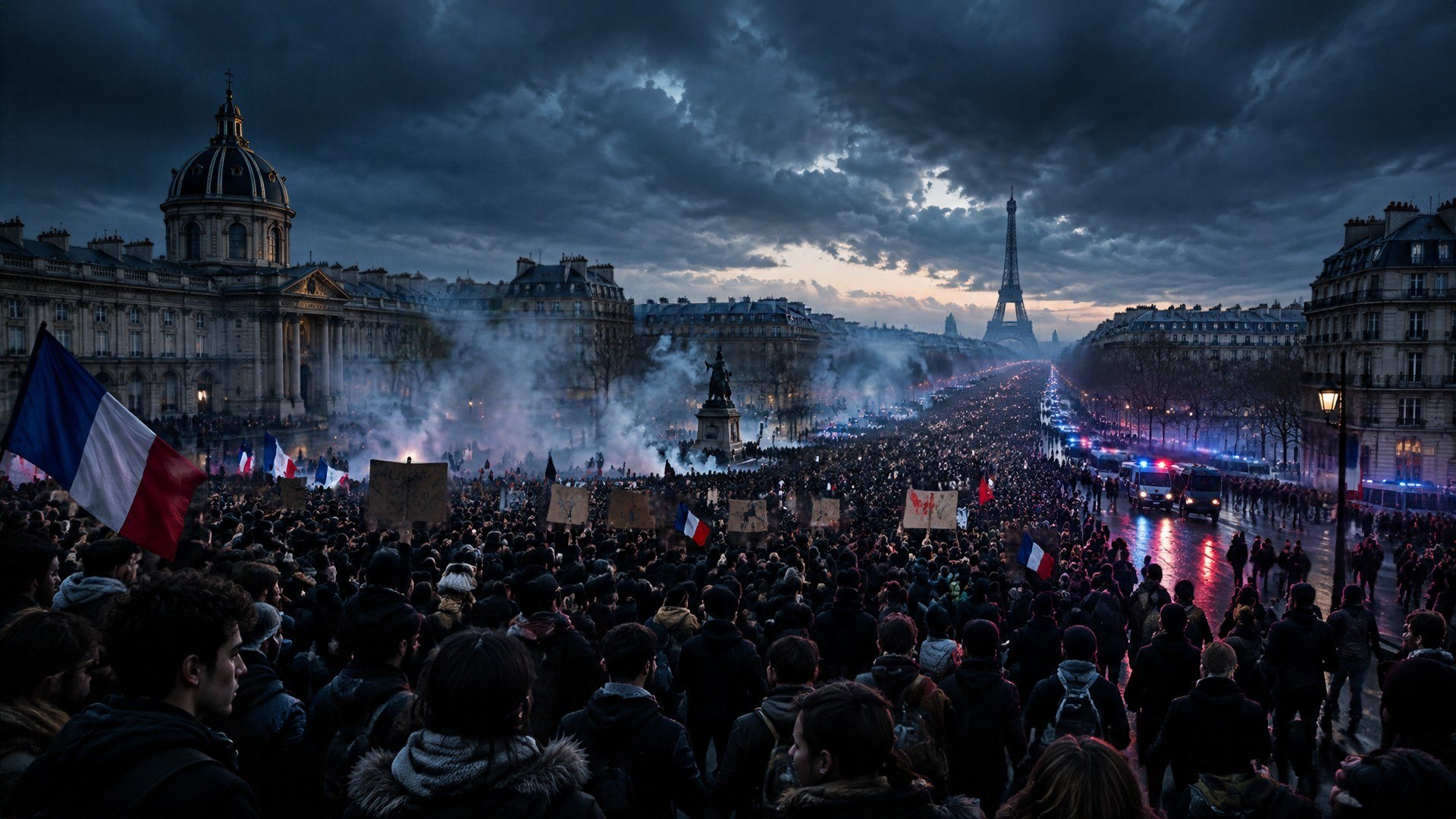
Student protests, Marine Le Pen and the decline of the
The student mobilization in France, which began on September 17 at the Saint-Exupéry de Créteil high school, located on the…


Food Crisis in 2027? From Diesel to the Dinner Table
A food crisis can begin far from the fields: at an attacked refinery, with a delayed fertilizer shipment, or along…


The UK is at risk of running out of gas
Clearly, the United Kingdom is going through a systemic crisis that is becoming deep and, according to the available evidence,…


NATO fireworks
As in previous years, for ten days, starting on October 13, this time with Italy as the host country, NATO…

However, behind these alliances and statements lie a series of risks and contradictions that rarely appear in public speeches:
- Risk of diplomatic isolation: By supporting Israel so strongly and almost unconditionally in the Gaza conflict, and by recognizing Jerusalem as Israel’s capital in Paraguayan foreign policy, Peña risks alienating Arab nations and numerous countries that rejected Israel’s offensive. This may affect trade exchanges, cultural cooperation, or even food security.
- Pyrrhic external advantage over domestic emergencies: Problems such as poverty, insecurity, inequality, and the demand for public services persist in Paraguay. The political orientation toward foreign alliances can generate significant political costs if citizens feel that foreign affairs are being exaggerated while domestic issues are neglected. Critics already point out that the prioritization of these diplomatic issues appears ostentatious or disconnected from the daily lives of average citizens.
- Ideological dependency vs. economic pragmatism: Peña speaks of values, of “the West,” of opposition to “radical social experiments,” which brings him closer to conservative populist rhetoric. However, Paraguay’s economy depends heavily on agricultural trade, foreign investment, and commodity prices. A strong ideological alignment may complicate relations with actors who value human rights, international climate agreements, or trade with countries that do not share that vision.
- Constant comparison with more radical figures: Beyond evident differences among Milei, Trump, or Netanyahu, these figures have shown a willingness to impose the anti-woke discourse and to break with traditional diplomatic conventions. Peña must balance maintaining internal governability and a serious institutional image. Attempting to follow them could place him in uncomfortable situations: for example, his gestures are not always reciprocated with the same intensity by the U.S. president (analysts note that Peña “does not occupy the same seat as Milei or Bukele before the Trump administration”).
In sum, Peña’s government is shaping a new stage in Paraguayan foreign policy, one that places conservative values and evident pro-Western diplomatic alignment ahead of internal tensions. But this strategy is double-edged: it may consolidate support in certain ideological circles, yet it also risks isolation, detachment from domestic priorities, and international overexposure that could backfire if tangible results do not follow. In foreign policy as in domestic politics, convictions without concrete outcomes can prove politically dangerous.