Lately, we have been witnessing increasingly frequent multipolar convulsions across the African continent—much like a lion shaking itself in the savannah—tired of decades of irritation caused by the lingering vestiges of European colonialism. Indeed, Africa—as my good Pan-Africanist friend and thinker Farafin Sâa François Sandouno once put it—simply wishes to no longer be treated with a paternalistic gaze, as though its peoples, after two centuries of foreign influence, were incapable of reclaiming their own distinct worldview.
Within this framework, we have seen the emergence of regional African projects aimed at strengthening a sovereign and Pan-African vision, most notably the Confederation of Sahel States, formed by Mali, Niger, and Burkina Faso in 2023. What these nations share in common—aside from the colonial experiences suffered by others—is their former subjugation under French colonial rule, as was also the case for Madagascar.
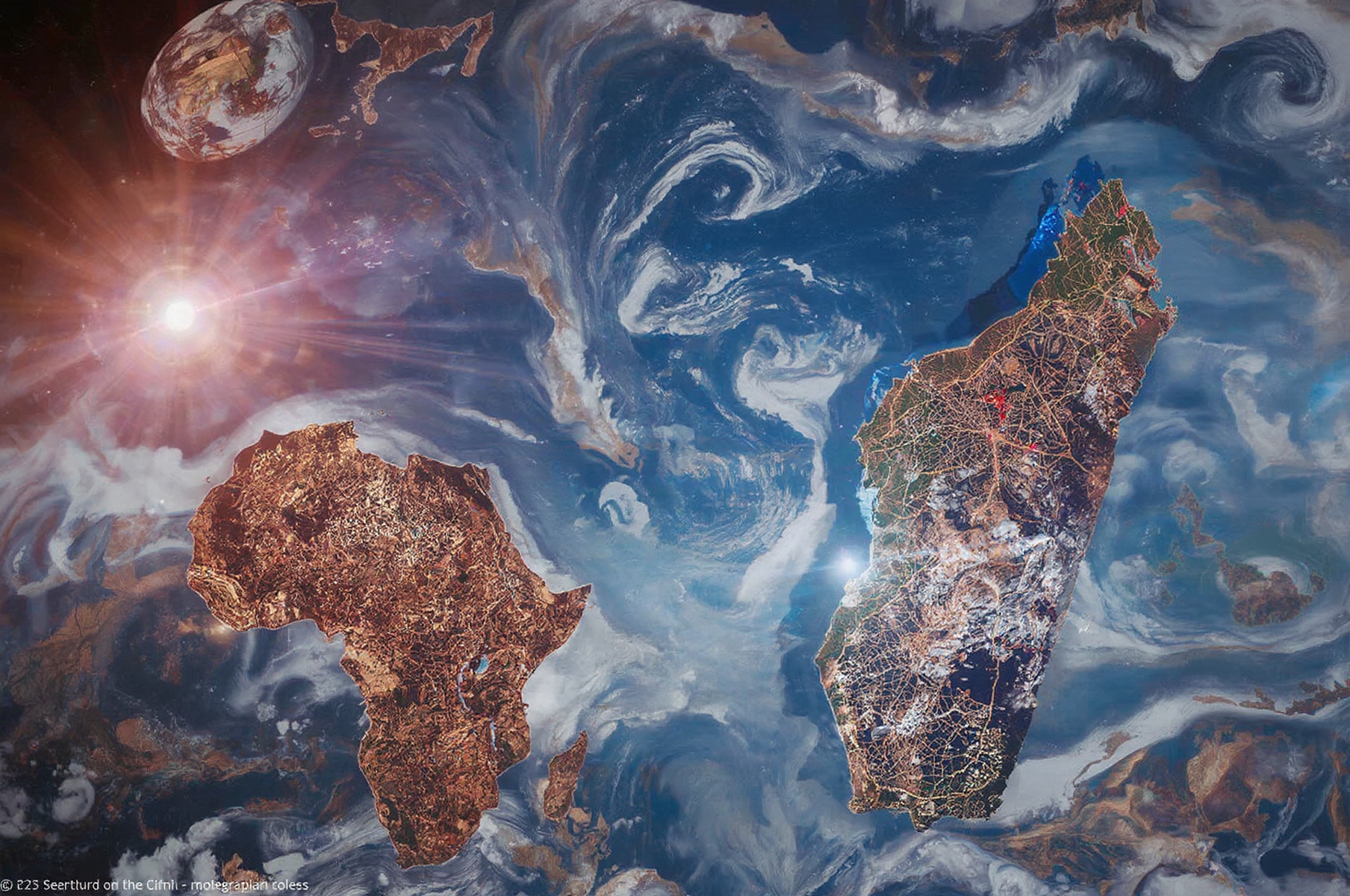
Today, Madagascar finds itself at a crossroads between unipolar continuity and multipolar sovereignty. Although the country declared its independence in 1960, it has never fully freed itself from dependence on France, which, since 1895—after the defeat of the island’s last legitimate monarch, Queen Ranavalona III—consolidated its interests in this southeastern African nation.
The departure of the pro-Western regime of Andry Rajoelina—who has already been stripped of his Malagasy citizenship by the new military government led by Michael Randrianirina for willfully concealing his French citizenship acquired in 2014—represents an opportunity for the Malagasy people. However, much will depend on how genuinely sovereign-minded the new political actors prove to be.
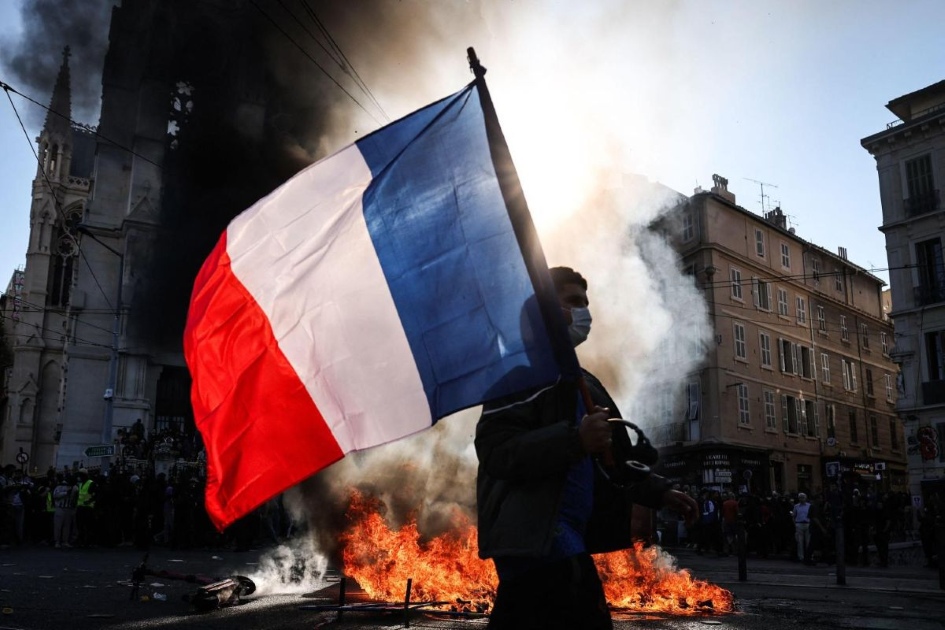
Who is harnessing france’s anger?
Parties, foreign networks, organised rioters, the State: everyone is seizing the movement, no one is answering it. Some kinds of anger…

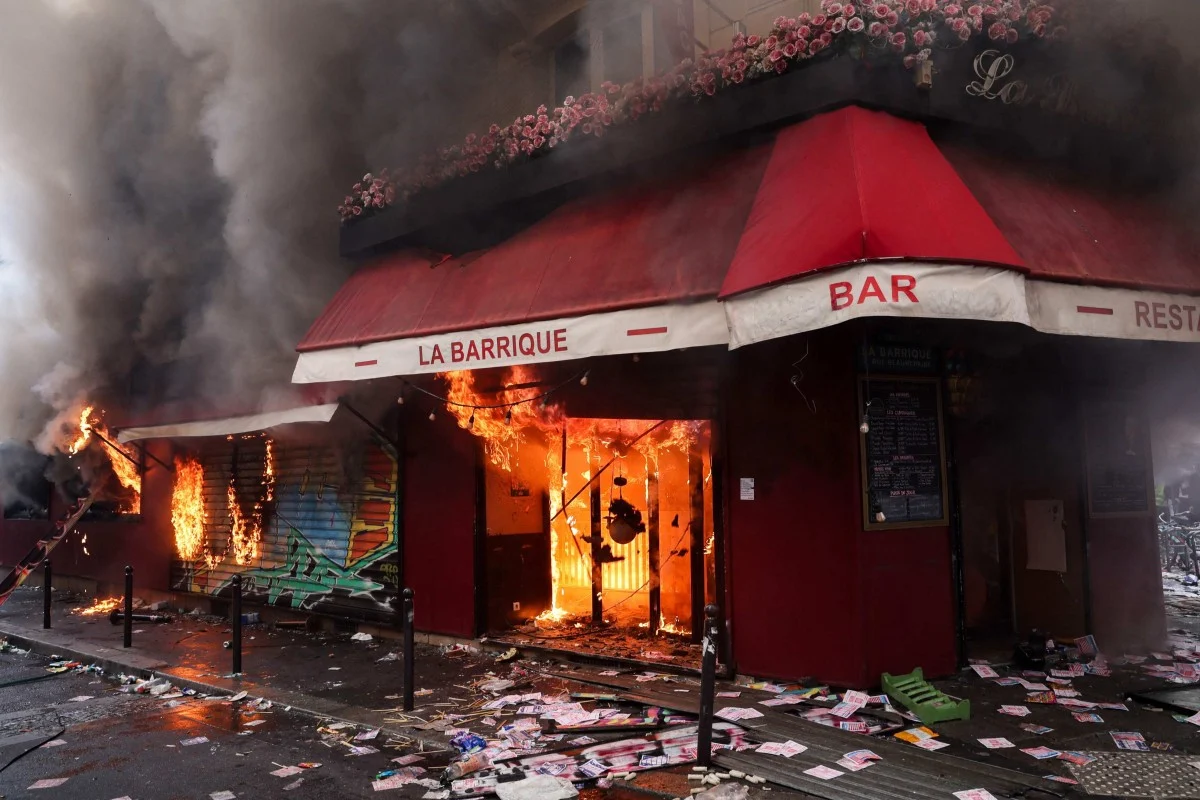
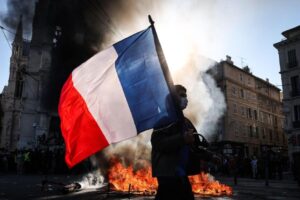
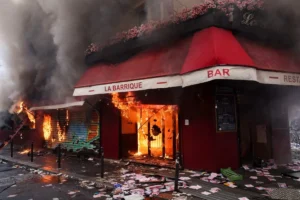
France between chaos and flames
1. Introduction: The Dantesque Scenario as a Diagnostic Moment On 17–18 October 2026, France experienced what foreign observers immediately recognised as…

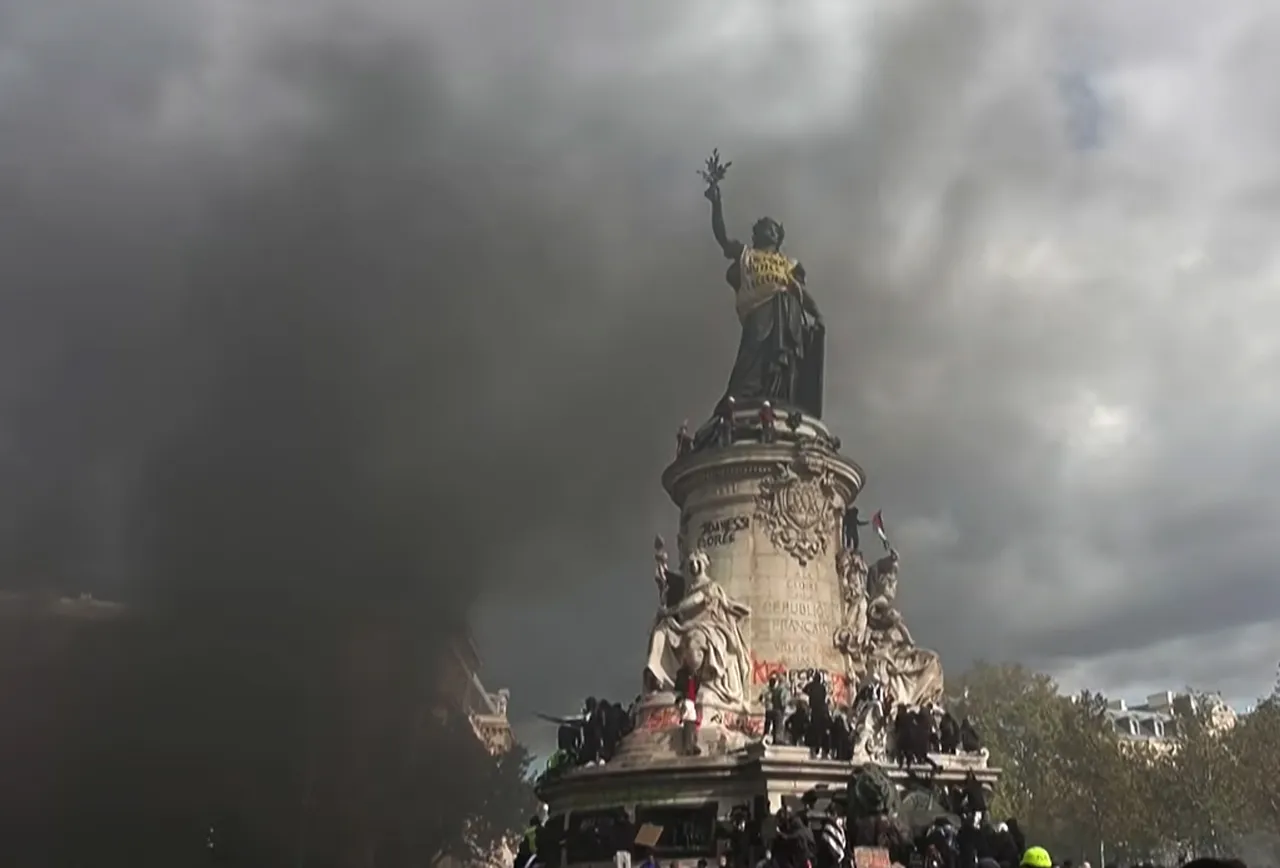
The student factor and the massive social protests in the
To understand what is happening, it is enough to make a simple political reasoning. 2027 represents a crucial electoral appointment for…

The decisive moment in the war of Ukraine is approaching
We have become accustomed to analysing the war in Ukraine through the prism of ground battles, calculating gains in square…

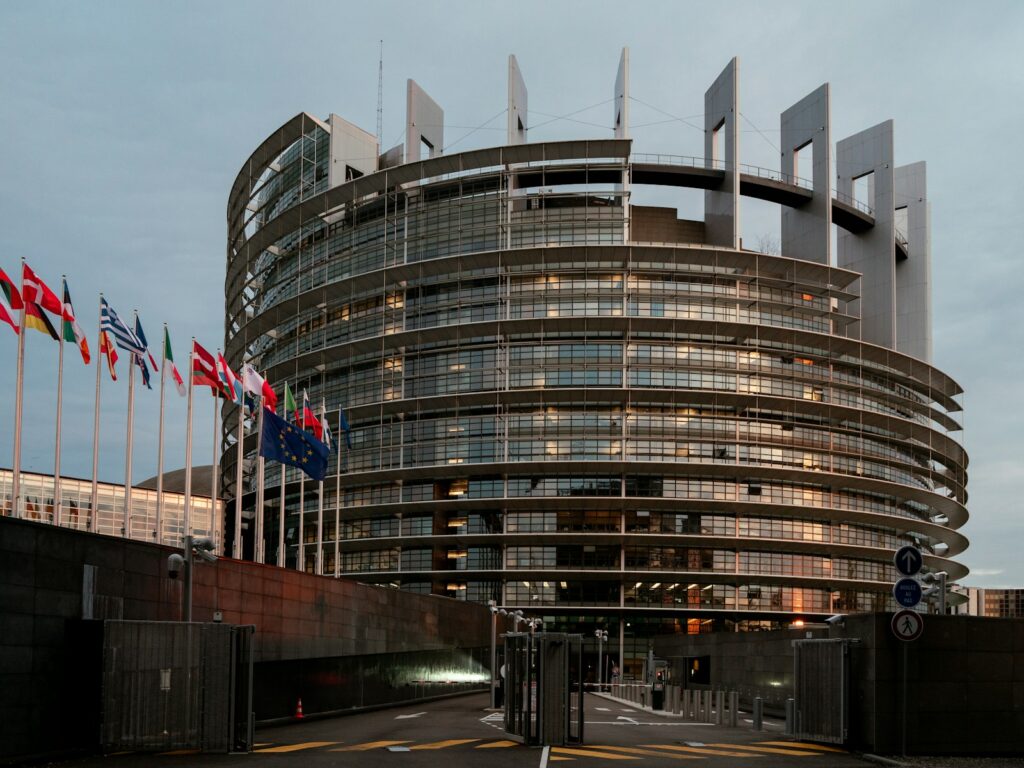
EU budget dispute sharpens
Brussels is experiencing its most uncertain hours since the creation of the European project. The negotiations to define the 2028-2034…

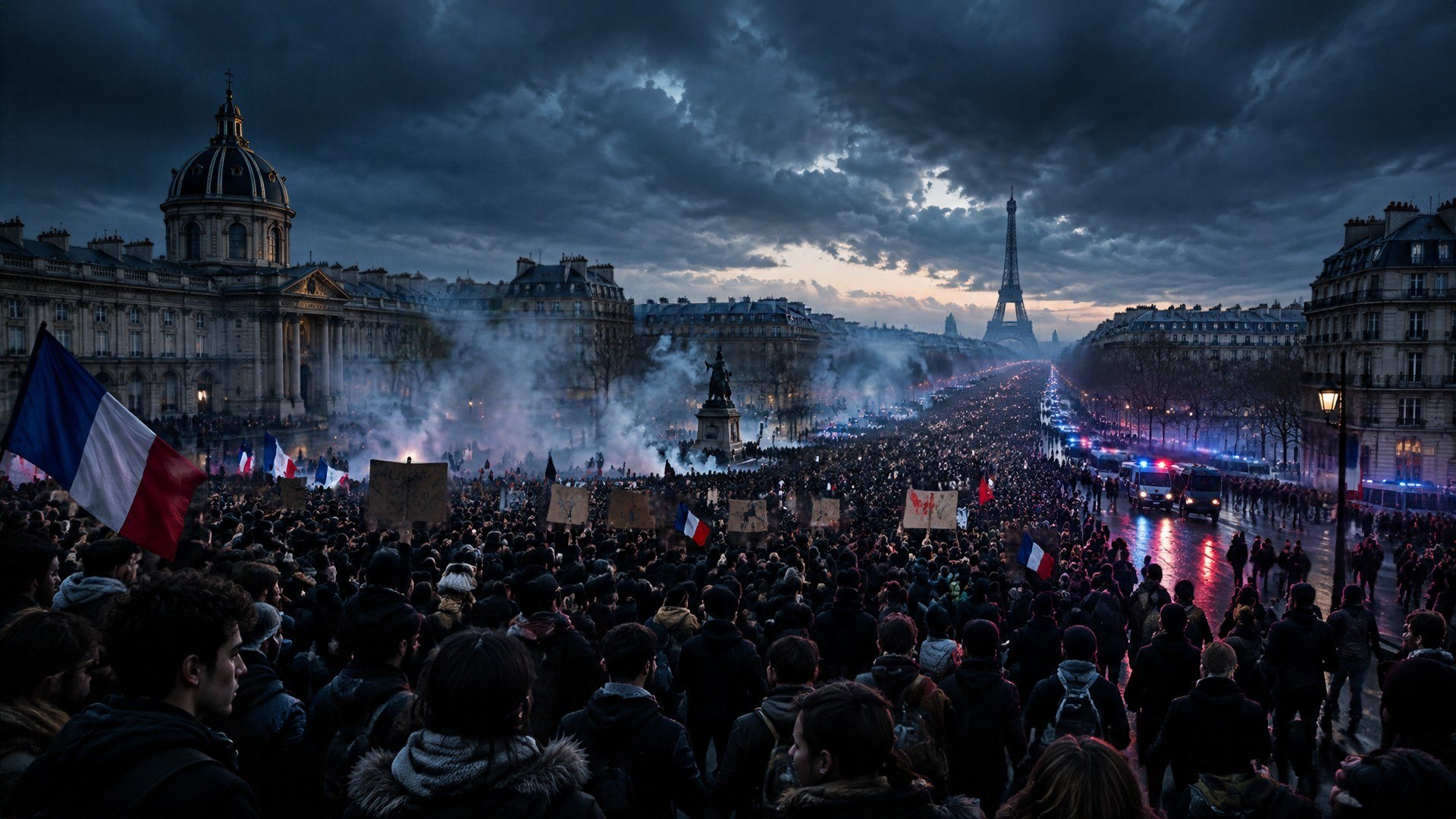
Student protests, Marine Le Pen and the decline of the
The student mobilization in France, which began on September 17 at the Saint-Exupéry de Créteil high school, located on the…


Food Crisis in 2027? From Diesel to the Dinner Table
A food crisis can begin far from the fields: at an attacked refinery, with a delayed fertilizer shipment, or along…


The UK is at risk of running out of gas
Clearly, the United Kingdom is going through a systemic crisis that is becoming deep and, according to the available evidence,…


NATO fireworks
As in previous years, for ten days, starting on October 13, this time with Italy as the host country, NATO…

Will Michael Randrianirina become Madagascar’s Ibrahim Traoré? That is the central question. For now, it seems that a populist approach is beginning to take shape within the new regime—one more attuned to the needs of the people, 75% of whom live below the poverty line. This reality demands not only moralizing measures but also broad public management and structural reforms, turning economic growth into tangible social development.
It is widely known that the remnants of neocolonialism are habitual promoters of neoliberal policies, which imply zero social compensation from the state and, instead, broad benefits derived from deregulation in favor of foreign investments—a hallmark of French policy. If the new government decide to abandon this neoliberal approach in favor of an economically nationalist one, it would mark the end of French neocolonialism in Madagascar. But that remains to be seen.
As final reflections, is the question of the impact of new geoeconomic actors—particularly the growing interests of China, India, and Russia in Madagascar. The answer remains uncertain and depends entirely on the new government’s state vision, and that is for the very reason that multipolarity does not mean replacing one master with another, but rather fostering free cooperation among sovereign states in the shared pursuit of civilizational advancement.
Certainly, the new architectures of economic multipolarity—embodied by the St. Petersburg Economic Forum, the Shanghai Cooperation Organization, and the BRICS—offer a viable alternative to Western political and economic models, demonstrating that true foreign investment should not entail unilateral imposition but rather mutual benefit through negotiation.
In this regard, large-scale infrastructure projects funded by China and directed toward Africa’s social development are undeniable evidence of this shift. Pan-Africanism thus finds its best allies in the nations that promote multipolarity—an undeniable truth upon which the new destiny of Madagascar depends.