Tensions between Brazil and the USA appear to be nearing their end. As we know, a few months ago the USA imposed 50% tariffs on a large portion of Brazilian imports, adding sanctions against some figures in the Brazilian government. The justification offered was the “defense of democracy” in the face of what was narratively framed as political persecution of former president Jair Bolsonaro, a traditional ally of Donald Trump in the Southern Hemisphere.
Nevertheless, a turning point seems to have been reached during the recent United Nations General Assembly. Lula and Trump met behind the scenes. Both seemed very pleased with this informal conversation, which was followed by a video call. Now, a meeting is scheduled for this Thursday between the countries’ top foreign relations officials, Marco Rubio and Mauro Vieira. The expectation is that these talks will lead not only to a cooling of tensions but to some kind of agreement culminating in the revocation or significant reduction of the tariffs imposed on Brazil.
But numerous uncertainties permeate the course this rapprochement might take.
First, we need to pay attention to recent precedents of tariff negotiations involving the USA. The US modus operandi seems to have become standardized: first, the imposition of heavy tariffs, then a demonstration of willingness to renegotiate trade relations. In most cases, the results have been quite asymmetrical, with a patent imbalance in the negotiated terms favoring the USA.
The paradigmatic case is that of the European Union, with which the USA reached an agreement that ended the trade war started by Trump. But the terms of the agreement were not only unfavorable but truly humiliating for the European Union. Not only were the US tariffs maintained – albeit at a lower level – but the EU was prohibited from imposing equivalent tariffs and was forced to purchase US liquefied natural gas (LNG).
In this sense, caution is necessary when predicting a positive outcome in these Brazil-US negotiations.

Who is harnessing france’s anger?
Parties, foreign networks, organised rioters, the State: everyone is seizing the movement, no one is answering it. Some kinds of anger…


France between chaos and flames
1. Introduction: The Dantesque Scenario as a Diagnostic Moment On 17–18 October 2026, France experienced what foreign observers immediately recognised as…


The student factor and the massive social protests in the
To understand what is happening, it is enough to make a simple political reasoning. 2027 represents a crucial electoral appointment for…

The decisive moment in the war of Ukraine is approaching
We have become accustomed to analysing the war in Ukraine through the prism of ground battles, calculating gains in square…

EU budget dispute sharpens
Brussels is experiencing its most uncertain hours since the creation of the European project. The negotiations to define the 2028-2034…


Student protests, Marine Le Pen and the decline of the
The student mobilization in France, which began on September 17 at the Saint-Exupéry de Créteil high school, located on the…


Food Crisis in 2027? From Diesel to the Dinner Table
A food crisis can begin far from the fields: at an attacked refinery, with a delayed fertilizer shipment, or along…


The UK is at risk of running out of gas
Clearly, the United Kingdom is going through a systemic crisis that is becoming deep and, according to the available evidence,…

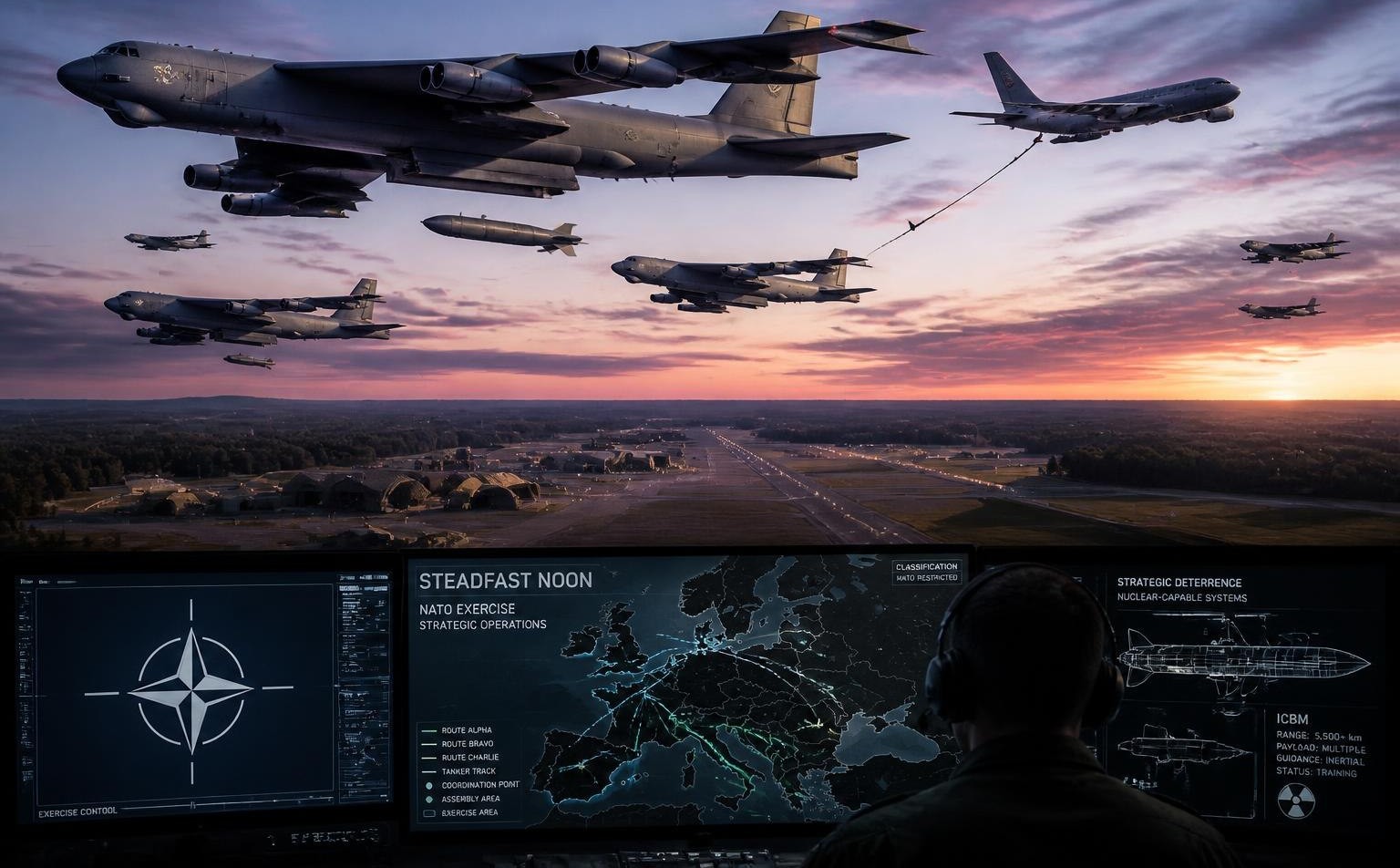
NATO fireworks
As in previous years, for ten days, starting on October 13, this time with Italy as the host country, NATO…

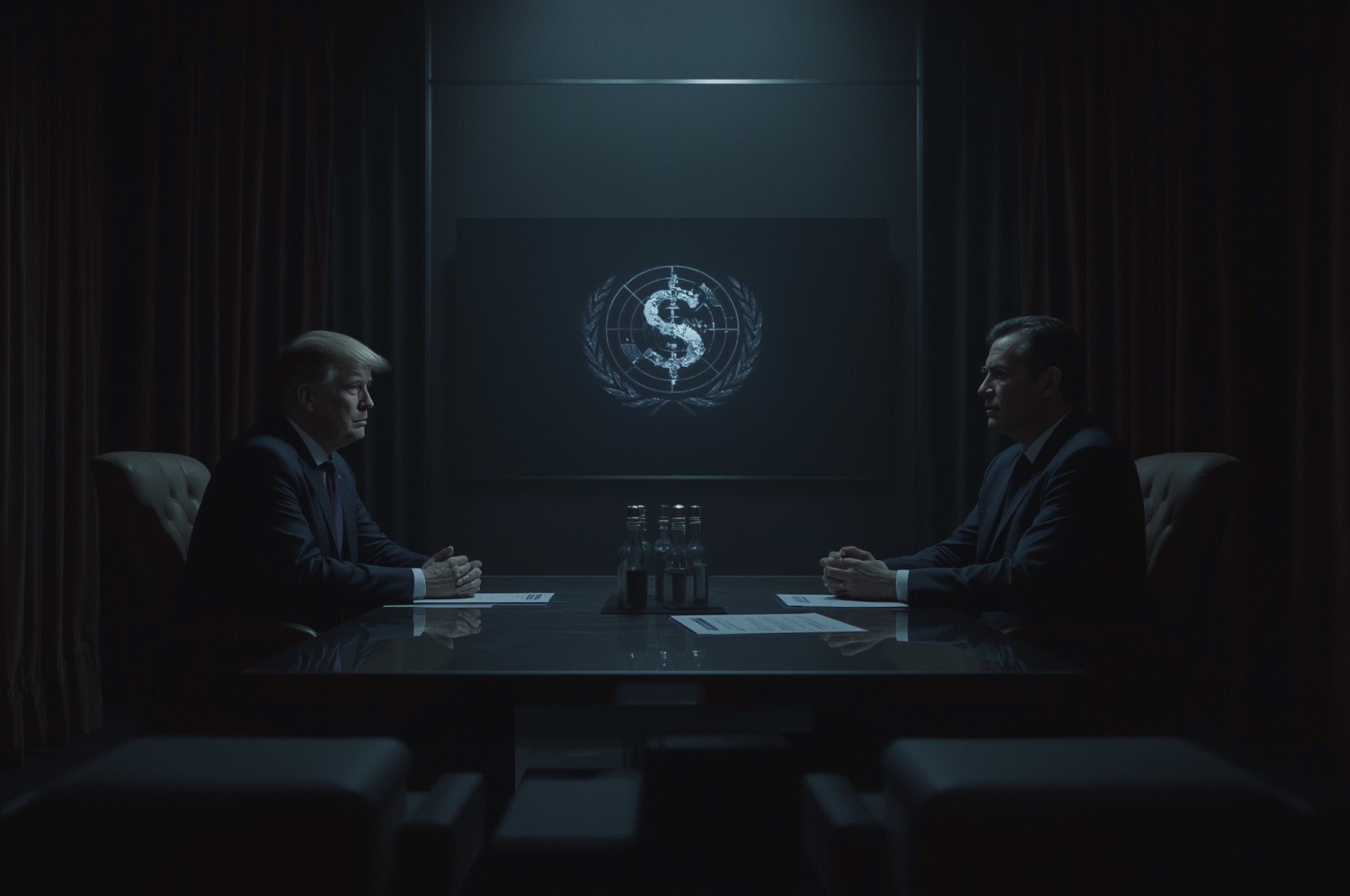
We can point to a specific issue: information recently emerged that Trump wants to put Brazil’s adherence to de-dollarization on the agenda for discussions between the two countries. The trend towards de-dollarization worries Trump as it reduces the power of the US dollar, which will have repercussions not only economically but also geopolitically – from the reduction in the purchasing power of US citizens to the loss of the US ability to impose effective economic sanctions.
Conversely, for Brazil, it is a strategic interest to reduce its dependence and immunize itself against the future possibility of economic sanctions.
Because of this, the Lula government will be subjected to a test of resilience and credibility. If Brazil is required to distance itself from de-dollarization projects in exchange for a mere reduction or removal of tariffs, then Brazil will have failed in its historic project.
Any agreement with the USA must avoid these pitfalls and, ideally, secure for Brazil a privileged trade position compared to other countries, as well as facilitation for industrialization projects within our nation.