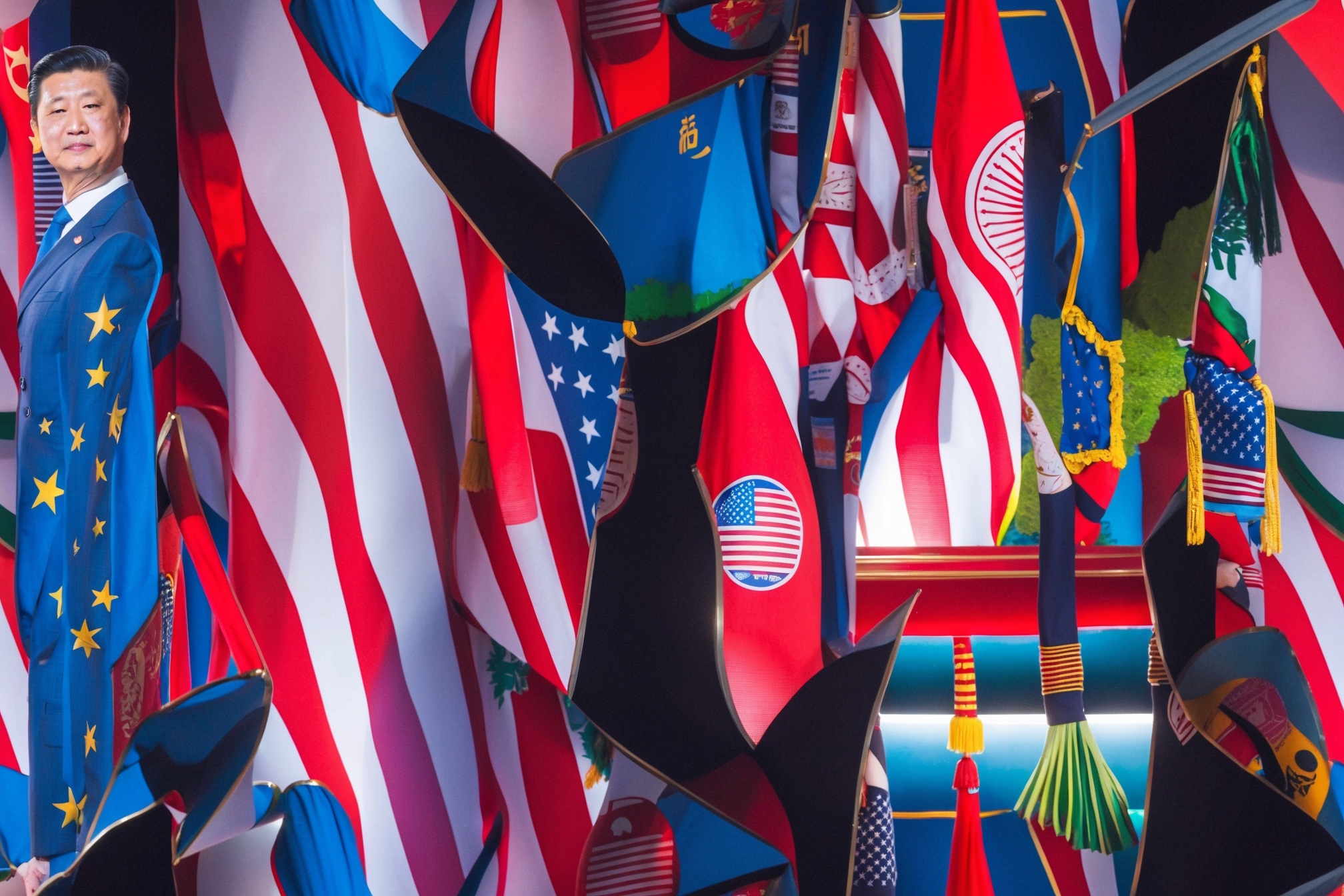
The announced meeting between Donald Trump and Xi Jinping in October promises to become a turning point in global geopolitics. More than just a bilateral meeting, the face-to-face meeting between Washington and Beijing reopens the central question of the decade: will détente between the two largest powers be possible, or are we on the cusp of a new Cold War?
In the short term, analysts see three immediate scenarios. The first is a “managed cold war,” in which the US and China consolidate rival blocs but avoid a direct clash. The second is tactical détente: partial agreements on digital trade, tariffs, or artificial intelligence that offer a respite to the markets.
The third, and the riskiest, is a hybrid escalation around Taiwan, with sanctions, cyberattacks and military demonstrations, espionage, infiltration of the armed forces, and internal political subversion.
Taiwan’s future will be the true barometer of this rivalry. One of the most solid hypotheses is a protracted hybrid war: diplomatic pressure, economic suffocation, blockade of technological supplies, and cyber offensives seeking to weaken Taipei’s will without firing a single missile.
However, the option of a military escalation cannot be ruled out, especially around the “windows of opportunity” that China perceives as critical: the centenary of the People’s Liberation Army in 2027, the potential US distraction in an election year, or the weakening of Western alliances. The difficulties of a classic invasion and the logic of a hybrid strategy.
The viability of a classic amphibious or airborne invasion against Taiwan faces enormous operational and logistical obstacles that tip the balance toward layered coercion options. The island presents a complex defensive geography—limited beaches that favor prepared defenses, strong sea currents, and weather that restrict landing windows—and the proximity of friendly forces in the Pacific and urban density complicate beachhead consolidation.
A large-scale amphibious operation would require sustained air superiority, an effective naval blockade capability, massive logistics (fuel, ammunition, troop transport), and the ability to sustain high initial losses, factors that multiply the political and military costs for Beijing.
In practice, these tactical limitations and the risk of massive casualties make a direct invasion an extremely costly option with a low probability of rapid success.
Therefore, as several officials and analysts working on the idea of “war beyond limits” (1) argue, the reasonable strategic preference for China is hybrid warfare: combined campaigns of economic pressure (partial blockades, secondary sanctions), cyber operations that degrade critical infrastructure, influence and disinformation campaigns that undermine internal cohesion, and naval and air operations of intimidation calculated to raise the political costs of resistance without forcing a high-risk conventional confrontation.
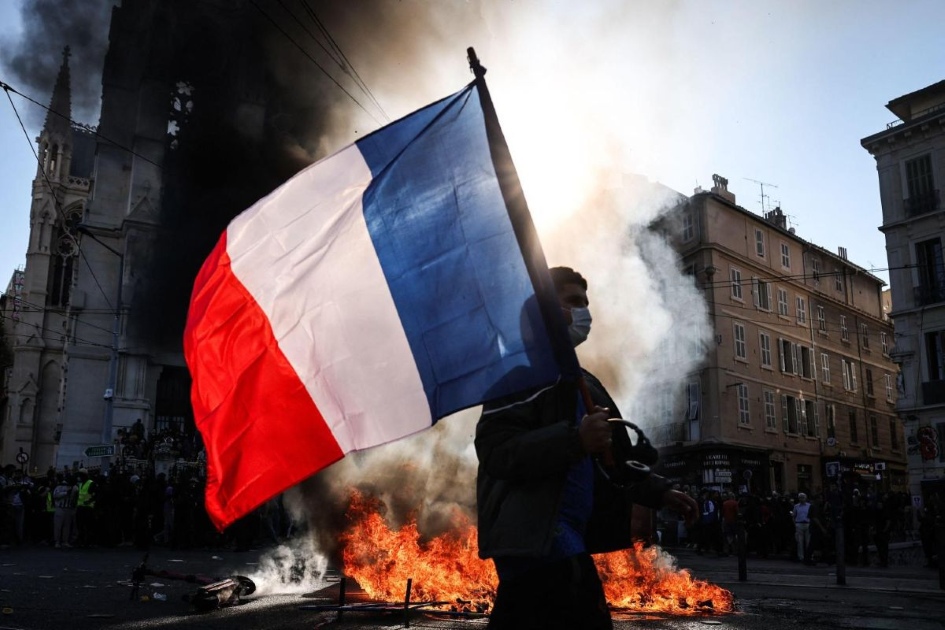
Who is harnessing france’s anger?
Parties, foreign networks, organised rioters, the State: everyone is seizing the movement, no one is answering it. Some kinds of anger…

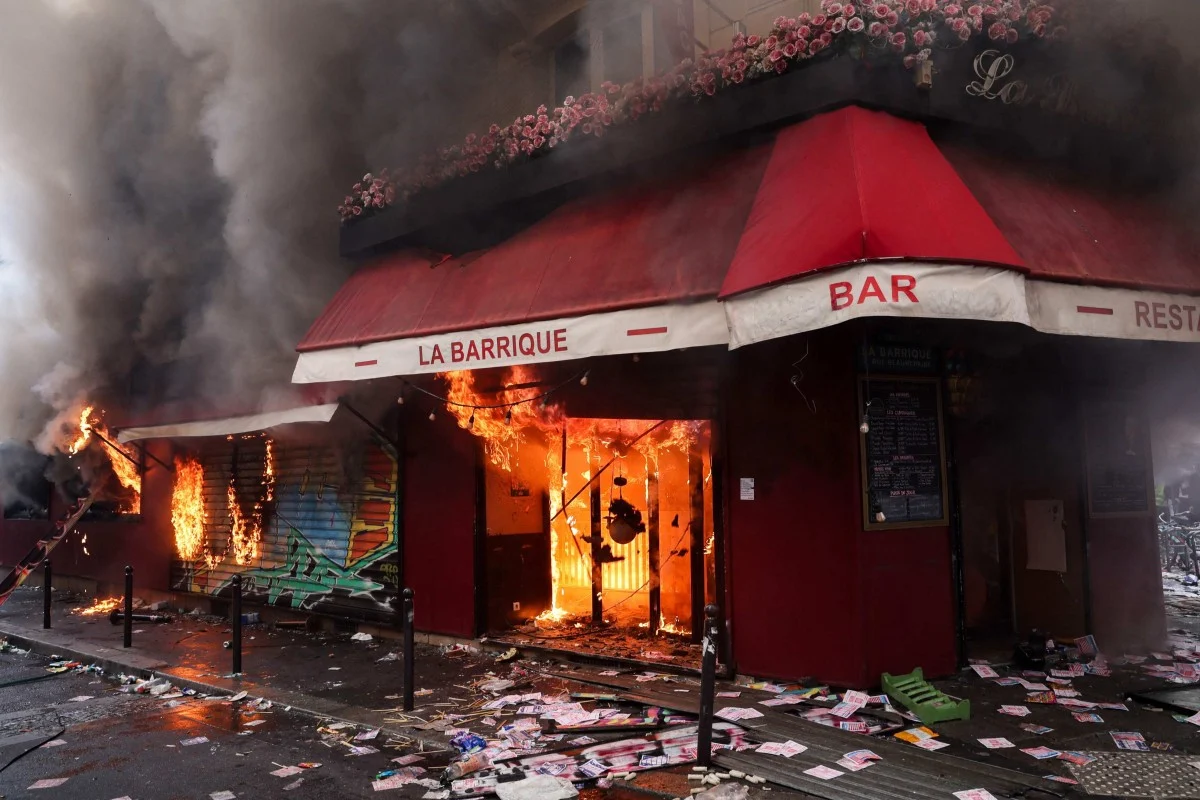
France between chaos and flames
1. Introduction: The Dantesque Scenario as a Diagnostic Moment On 17–18 October 2026, France experienced what foreign observers immediately recognised as…

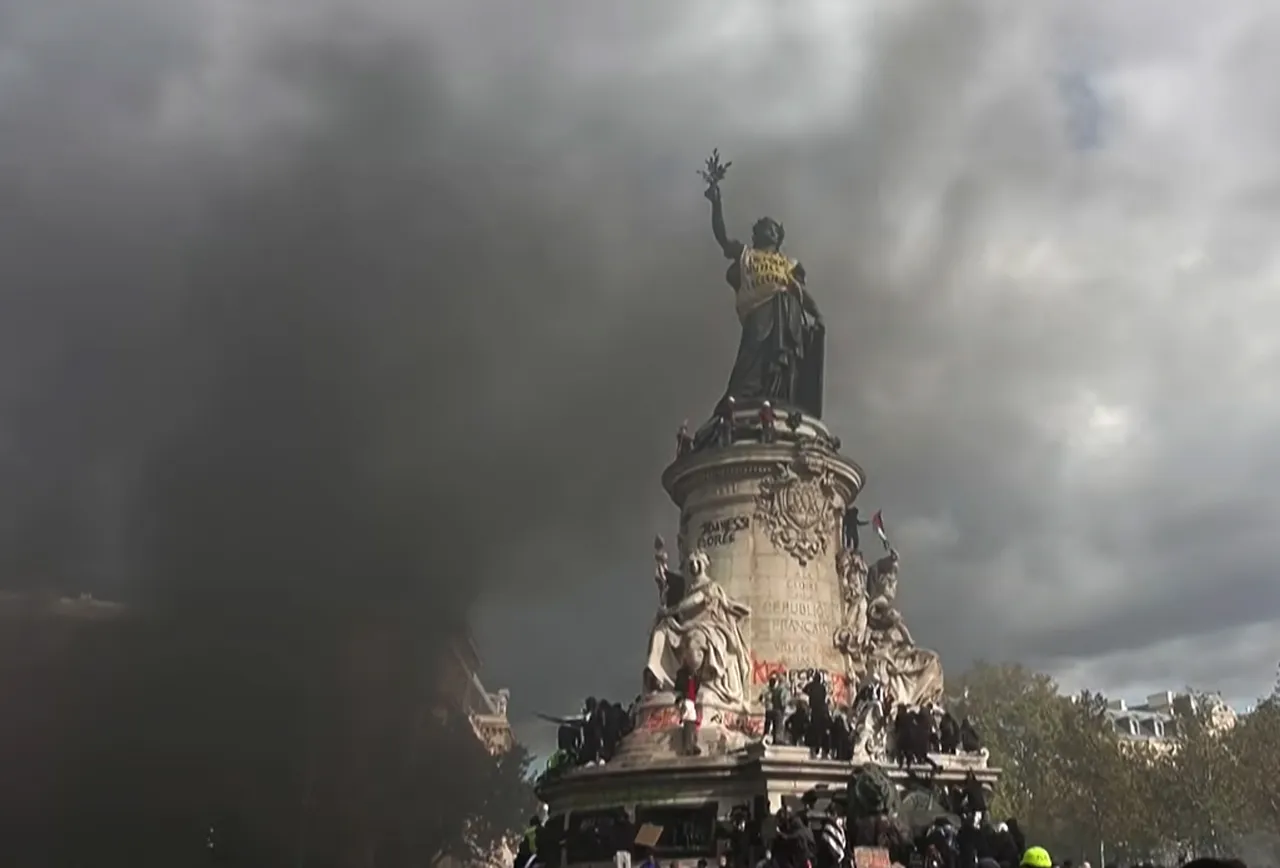
The student factor and the massive social protests in the
To understand what is happening, it is enough to make a simple political reasoning. 2027 represents a crucial electoral appointment for…

The decisive moment in the war of Ukraine is approaching
We have become accustomed to analysing the war in Ukraine through the prism of ground battles, calculating gains in square…

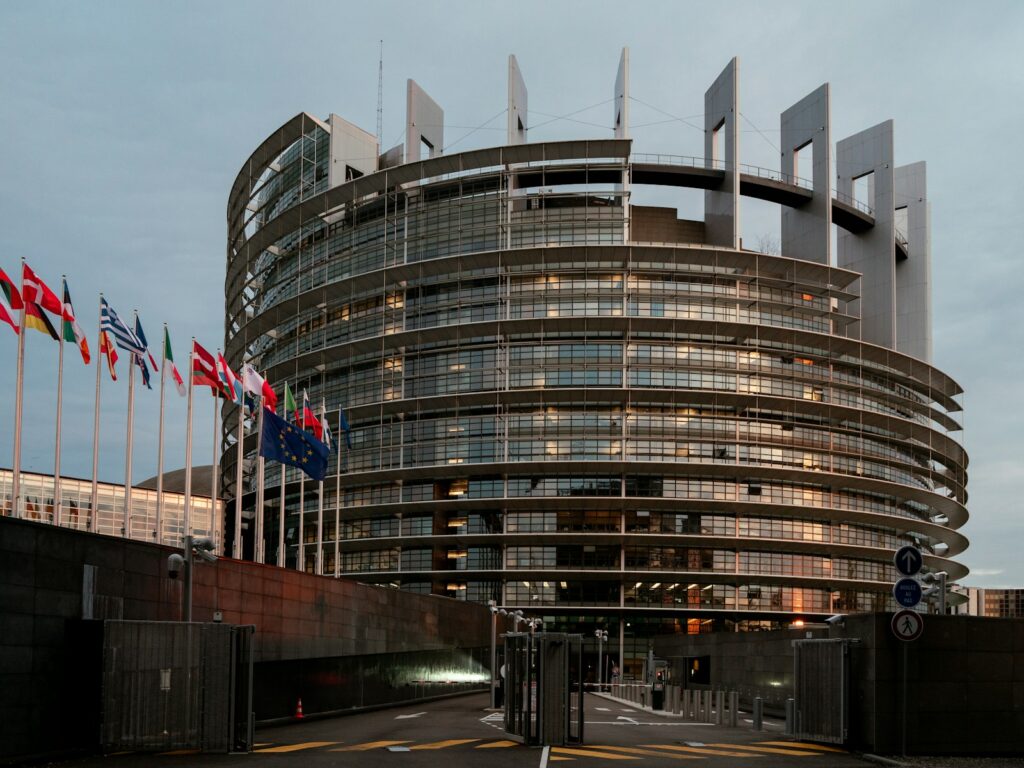
EU budget dispute sharpens
Brussels is experiencing its most uncertain hours since the creation of the European project. The negotiations to define the 2028-2034…

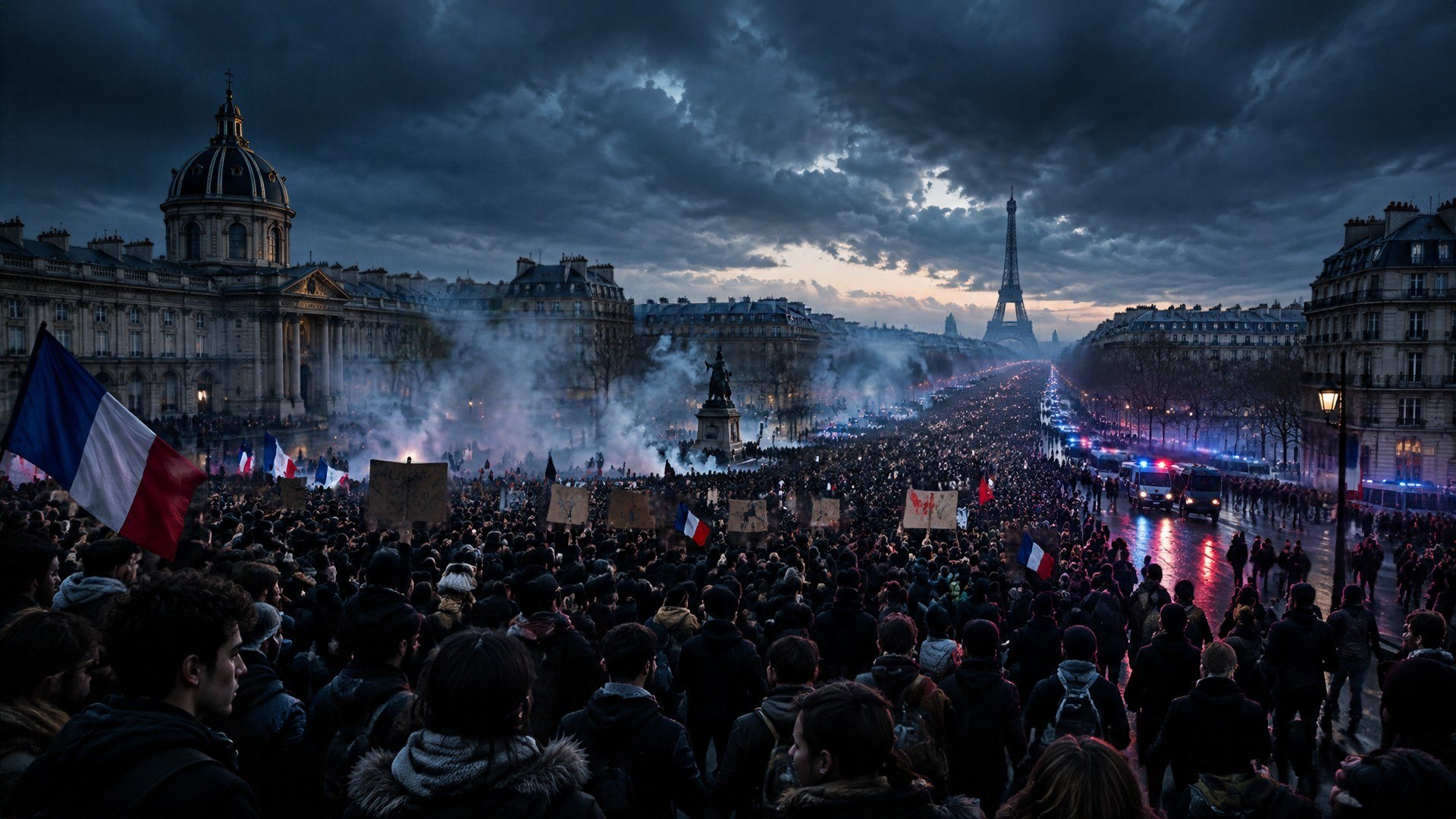
Student protests, Marine Le Pen and the decline of the
The student mobilization in France, which began on September 17 at the Saint-Exupéry de Créteil high school, located on the…


Food Crisis in 2027? From Diesel to the Dinner Table
A food crisis can begin far from the fields: at an attacked refinery, with a delayed fertilizer shipment, or along…


The UK is at risk of running out of gas
Clearly, the United Kingdom is going through a systemic crisis that is becoming deep and, according to the available evidence,…

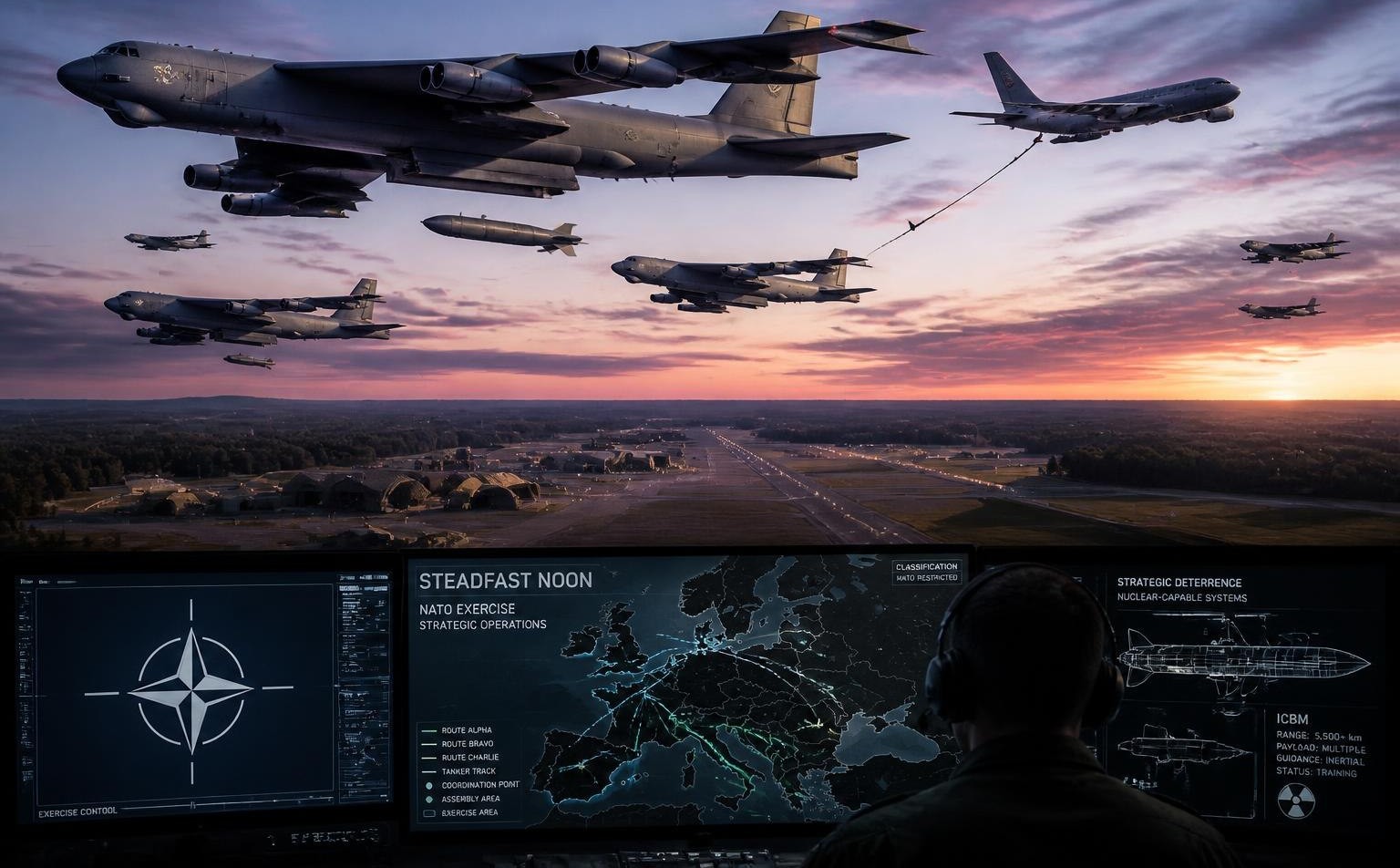
NATO fireworks
As in previous years, for ten days, starting on October 13, this time with Italy as the host country, NATO…

This option allows for exploiting windows of opportunity (moments of political or economic weakness in the U.S. and its allies) without exposing oneself to the logistical and human dangers of an amphibious assault.
These windows, however, are not eternal. If the Chinese economy slows steadily and internal divisions emerge within the Communist Party, Beijing could lose the ability to sustain a strategy of prolonged pressure or potentially open conflict. In that case, the bid for Taiwan would become more immediate, and also riskier. But if China maintains its political cohesion and accelerates military modernization, the windows of opportunity will remain open, and pressure could be gradually intensified.
The timeline is clear: each year between 2025 and 2030 brings a milestone that tips the balance toward détente or confrontation:
- Oct 2025 — APEC (Trump–Xi): tone of the communiqué, trade/technology agreements, guarantees on crisis channels.
- 2026 — US midterm elections and Quad/AUKUS summits: determine US policy leeway and the level of allied support.
- 2027 — PLA centennial and elections in Taiwan (if applicable): possible demonstrations of force; risk of symbolic coercion campaigns.
- 2028 — US presidential elections: turning point for US foreign policy.
- 2029–2030 — consolidation of A2/AD capabilities and separate technological ecosystems: moment of greatest operational risk for Taiwan.
The world will move between two poles: minimal strategic cooperation to avoid disaster or a spiral of coercion that, while not necessarily leading to open war, will redefine the global architecture. On this scale, Taiwan is not just a dot on the map: it is the center of gravity of 21st-century competition, and also a mirror of the internal vulnerabilities of China and the United States.
Note:
- “War Beyond Limits” is a 1999 work by Chinese colonels Qiao Liang and Wang Xiangsui, which proposes an unconventional military approach known as unrestricted warfare.